

Graduation, lack of opportunity force most gymnasts to quit. A women’s league is out to change that
Advertisement
Read this article for free:
or
Already have an account? Log in here »
To continue reading, please subscribe:
Monthly Digital Subscription
$0 for the first 4 weeks*
- Enjoy unlimited reading on winnipegfreepress.com
- Read the E-Edition, our digital replica newspaper
- Access News Break, our award-winning app
- Play interactive puzzles
*No charge for 4 weeks then price increases to the regular rate of $19.95 plus GST every four weeks. Offer available to new and qualified returning subscribers only. Cancel any time.
Monthly Digital Subscription
$4.99/week*
- Enjoy unlimited reading on winnipegfreepress.com
- Read the E-Edition, our digital replica newspaper
- Access News Break, our award-winning app
- Play interactive puzzles
*Billed as $19.95 plus GST every four weeks. Cancel any time.
To continue reading, please subscribe:
Add Free Press access to your Brandon Sun subscription for only an additional
$1 for the first 4 weeks*
*Your next subscription payment will increase by $1.00 and you will be charged $16.99 plus GST for four weeks. After four weeks, your payment will increase to $23.99 plus GST every four weeks.
Read unlimited articles for free today:
or
Already have an account? Log in here »
Hey there, time traveller!
This article was published 20/06/2024 (562 days ago), so information in it may no longer be current.
Luisa Blanco knows her gymnastics career has an expiration date.
The funny thing is, the older the recent Alabama graduate gets, the more it seems to keep getting pushed back.
For a long time, the 22-year-old Blanco figured her final season with the Crimson Tide this spring would be it. Then she qualified to compete for Colombia in the Paris Olympics at last year’s Pan Am Games, a dream she had long ago abandoned.
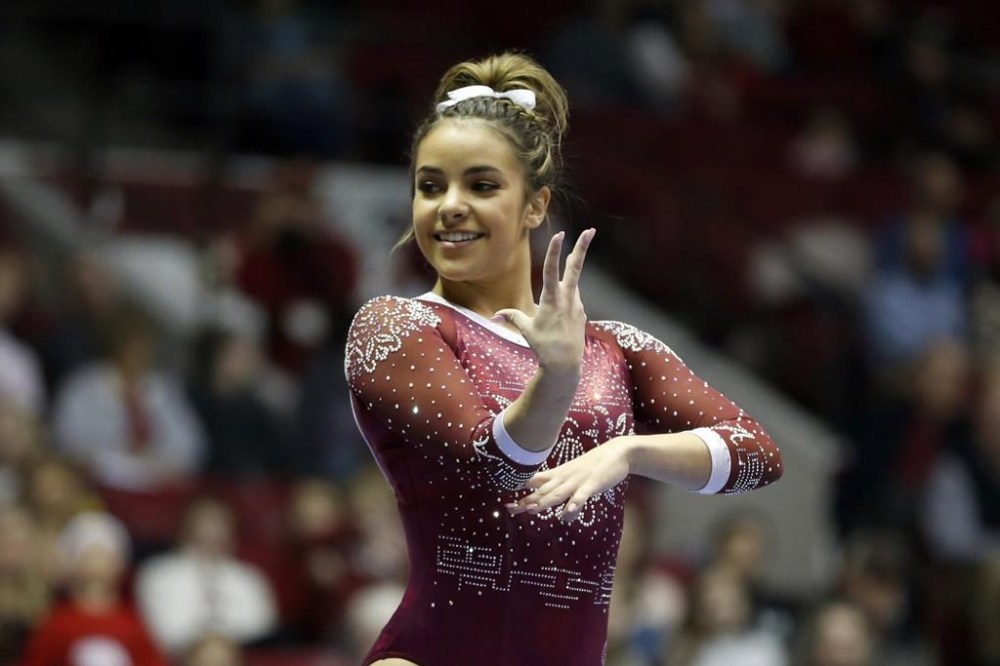
And while Blanco — a Texas native whose family is from Colombia — is focusing her attention on getting prepared for the Games, she is not sure she wants to see this chapter of her life end with the closing ceremony.
“Part of me wants to do gymnastics forever,” Blanco said. “It’s something that is not easy to walk away from.”
She’s hardly alone. Every year dozens of collegiate or elite athletes reach a crossroads where opportunities to continue vanish. They graduate. Or they get hurt. Or burned out. Or some combination of the three.
Starting next year, however, there could be an alternative.
The Global Impact Gymnastics Alliance wants to provide women a chance to continue competing until they’re ready to walk away on their terms. Co-founders Aimee Boorman, Maura Fox and LaPrise Williams believe the spike in popularity of women’s sports in general — from the Caitlin Clark/Angel Reese-fueled interest in basketball to soccer to hockey — and NCAA gymnastics in particular in recent years have created a landscape where a professional league will work.
The league plans to host its initial event sometime in 2025 with a roster of post-collegiate, international and perhaps elite gymnasts who aren’t ready to essentially be forced into retirement by circumstance.
“Female gymnasts are ending their career in college and most of them are at the peak shape in their life,” said Boorman, who helped guide superstar Simone Biles to five Olympic medals and three world all-around championships. “Mentally they’re in the right place. Physically they’re in the right place. Then they have to deal with this sense of loss and this mourning process. We are providing the platform that allows to them to continue.”
A ‘necessity’ for new opportunities
There was once a belief in the U.S. that female gymnasts needed to be in their teens if they wanted to compete at the highest levels of the sport, a myth Blanco grew up with while training at the Dallas-area gym owned by Valeri Liukin, whose daughter Nastia won the Olympic title at Beijing in 2008 at 18.
“That mentality of your body peaking at 15, 16 years old so that you can get ready and go to the Olympics, that was very much ingrained in me from a very, very young age,” she said.
That’s no longer the case in 2024.
There’s a strong likelihood that the five-woman U.S. Olympic team for Paris will be comprised almost entirely of athletes in their 20s, led by the 27-year-old Biles.
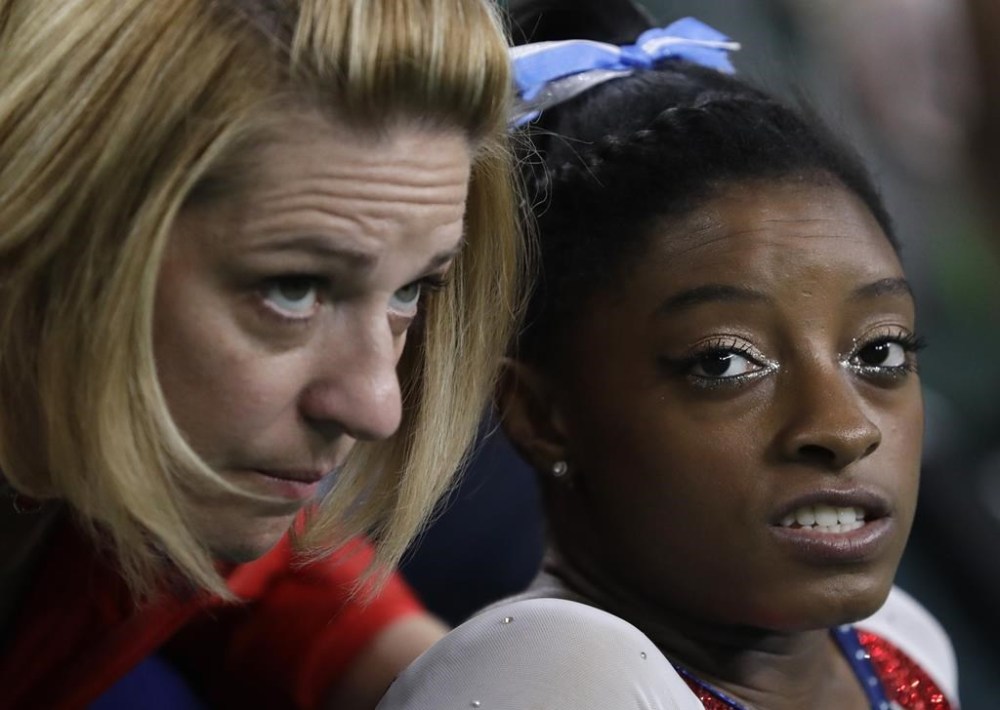
“With the average age of Olympic gymnasts continuing to climb, we are seeing that there is a necessity for an additional environment that supports and celebrates the phenomenal athletes in our sport outside of the traditional arenas of national and college competition,” said Cal women’s co-head coach Liz Crandall-Howell, who along with her husband Justin led the Bears to a program-best NCAA runner-up finish this spring.
The shift is due to several factors, including the easing of NCAA compensation rules that allow elite gymnasts like 2020 Olympic champion Sunisa Lee to compete collegiately while cashing in on their success.
Gymnasts like LSU’s Livvy Dunne have landed high-profile sponsorship deals that have helped raise the profile of the sport to something beyond the every-four-year fascination with the Olympics.
Going pro in the US
GIGA wants to provide an outlet for gymnasts both athletically and financially, believing the league will let the athletes remain in the sport longer, letting them grow their personal brand in the process.
The gymnastics will be a hybrid of sorts. GIGA will use the 10.0 scoring system — figuring it’s more accessible to casual fans than the more complex international scoring system — and is looking for a middle ground between the NCAA and elite levels.
There will be a slight lean toward artistry over difficulty, though there should still be plenty of opportunities for athletes still looking to push their skills. It just won’t necessarily be required to impress the judges.
“The code (of points) is geared to make sure these women have longevity in the sport,” Boorman said. “We want to see the big exciting gymnastics but we also aren’t going to push skills that have high injury rate that could shorten their careers.”
In a perfect world, Boorman sees a day where GIGA has a handful of events in the late-spring/early summer, multiple training centers, paid maternity leave and “everything else a professional athlete should have because it’s a job, not just a hobby.”
That of course, will take a significant amount of investment and hopefully a broadcast partner for starters. Boorman points to the rising TV ratings and streaming numbers for pretty much anything women’s sports-related at the moment as evidence the market is there.
The meets — in whatever way they reach the audience — won’t look like a typical broadcast.
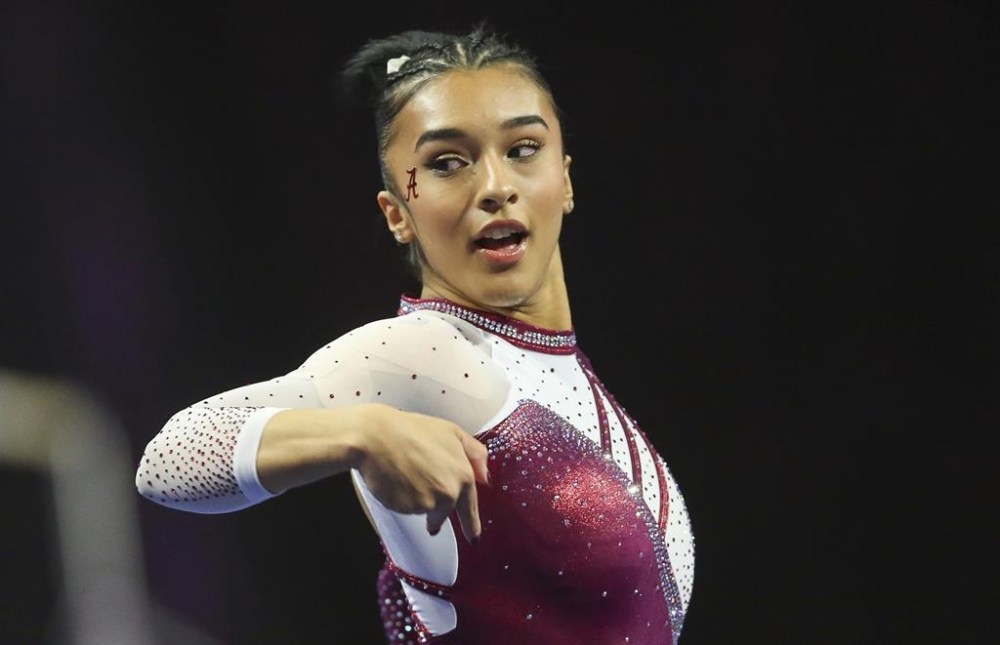
GIGA plans to lean into AI and tech to give viewers specific metrics on everything from the speed of a gymnast sprinting down the vault runway to the height they reach during a tumbling pass.
“This event is not going to be a show, it is going to be a competition,” Boorman said. “We really want to honor the athletes and their physical prowess. They are the best in the world at what they do.”
And just as importantly, allow them to stay in something they clearly love. Blanco watched teammates at Alabama graduate and struggle with having gymnastics become they “did,” not something they “do.” GIGA could potentially change that.

“Starting something like this is incredible,” Blanco said. “Because it gives you the opportunity to not leave something unfinished for as long as your body can let you.”
___
This story was updated to delete an image of the wrong gymnast.
___
AP Summer Olympics: https://apnews.com/hub/2024-paris-olympic-games