FTC ban on noncompete agreements comes under legal attack
Advertisement
Read this article for free:
or
Already have an account? Log in here »
To continue reading, please subscribe:

Digital Subscription
One year of digital access for only $205*
- Enjoy unlimited reading on winnipegfreepress.com
- Read the E-Edition, our digital replica newspaper
- Access News Break, our award-winning app
- Play interactive puzzles
*First annual payment billed as $205.00 + GST for one year. This annual subscription will automatically renew at $233.00 + GST every 52 weeks (10% off the regular annual price of $259.35). Offer available to new and qualified returning subscribers only. Cancel any time.
To continue reading, please subscribe:
Add Free Press access to your Brandon Sun subscription for only an additional
$1 for the first 4 weeks*
- Enjoy unlimited reading on winnipegfreepress.com
- Read the E-Edition, our digital replica newspaper
- Access News Break, our award-winning app
- Play interactive puzzles
*Your next Brandon Sun subscription payment will increase by $1.00 and you will be charged $17.95 plus GST for four weeks. After four weeks, your payment will increase to $24.95 plus GST every four weeks.
Read unlimited articles for free today:
or
Already have an account? Log in here »
Hey there, time traveller!
This article was published 14/08/2024 (753 days ago), so information in it may no longer be current.
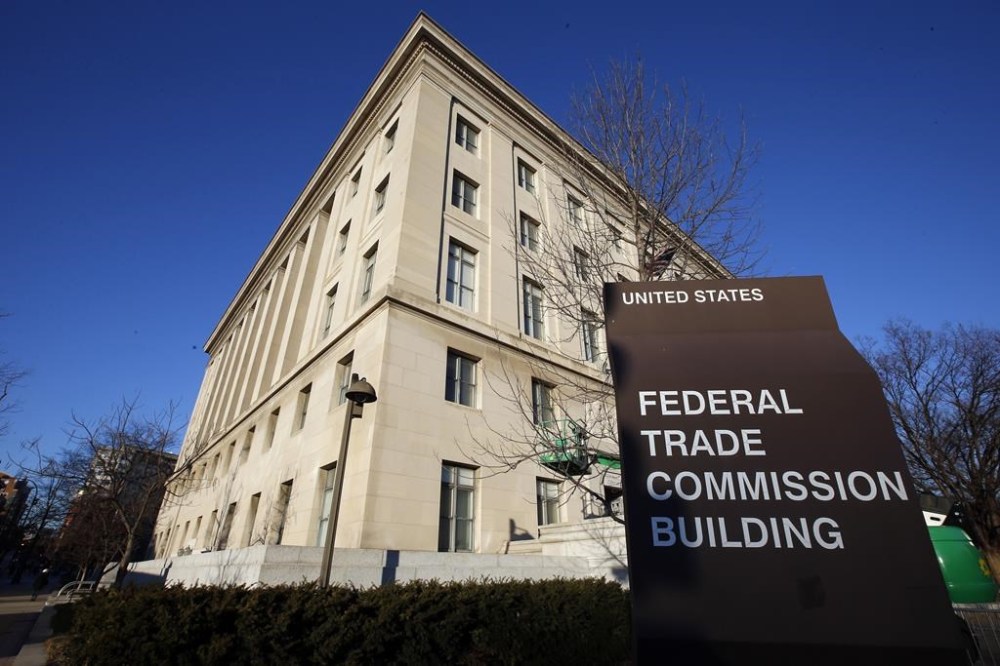
NEW YORK (AP) — The federal government wants to make it easier for employees to quit a job and work for a competitor. But some companies say a new rule created by the Federal Trade Commission will make it hard to protect trade secrets and investments they make in their employees.
At least three companies have sued the FTC after it voted to ban noncompete agreements, which prevent employees from working for competitors for a period of time after leaving a job. Their cases are now pending in Florida, Pennsylvania and Texas and the issue could end up in front of the U.S. Supreme Court.
Here’s what you should know about noncompete agreements:
What are they?
Once seen as a way to protect trade secrets among high-level executives, noncompete agreements have become more common, with some companies requiring lower-wage employees in fast-food and retail establishments to sign them before accepting a job.
The agreements prohibit employees from taking a job with a rival company or starting a competing business for a set period of time, to prevent employees from taking corporate secrets, sales leads, client relationships or skills to a competitor.
What did the FTC do?
The FTC voted in April to prohibit employers nationwide from entering into new noncompete agreements or enforcing existing noncompetes starting Sept. 4, saying the agreements restrict freedom of workers and suppress wages.
“In many cases, noncompetes are take-it-or-leave-it contracts that exploit workers’ lack of bargaining power and coerce workers into staying in jobs they would rather leave, or force workers to leave a profession or even relocate,” the FTC said.
The FTC says roughly 30 million people, or 1 in 5 workers, are subject to noncompete agreements. That in turn limits their ability to change jobs, which is often the best way to get a pay raise or promotion. Some people don’t even realize they’ve signed such an agreement until they’re hit with a lawsuit after changing jobs.
The FTC rule does not apply to senior executives, which the agency defines as workers earning more than $151,164 who are in a policy-making position.
Several states, including California, already have bans on noncompete agreements.
“As far as I know there’s a lot of companies in California, and high tech employees who are doing just fine,” said Tom Spiggle, founder of the Spiggle Law Firm based in Washington, D.C., that focuses on protecting workers.
“They’ve just gotten a little out of hand with line cooks being subject to noncompetes in some industries,” Spiggle added. “Think about it. You can’t work in a similar position for a year or more, and there’s often a geographical radius. You’ve got to move so you’re able to continue to work. For people who are spooning the beans on the front line, they’re signing noncompetes. Why?”
Who is suing the FTC and why?
Companies opposing the ban say they need noncompete agreements to protect business relationships, trade secrets and investments they make to train or recruit employees.
“The ban would make it easy for top professionals to go across the street and compete against us,” said John Smith, chief legal officer at Ryan, LLC, a tax services firm based in Dallas that sued the FTC.
Ryan uses noncompete agreements and nondisclosure agreements to ensure employees don’t share trade secrets when they leave. But nondisclosure agreements are harder to detect — and enforce — than noncompete agreements.
“In a nondisclosure agreement, that employee leaves, and you don’t know what information they are sharing with the new employer, a competitor of yours,” Smith said. “It can take a lot of time and money to figure that out.”
Business groups have voiced support for Ryan’s lawsuit, including the Society for Human Resource Management, which said the FTC rule is overly broad and would discourage employers from investing in training for workers if those workers could easily quit the next day and take their knowledge elsewhere.
U.S. District Judge Ada Brown has ruled that Ryan and its co-plaintiffs, including the U.S. Chamber of Commerce, are likely to prevail in court and that the ban on noncompete agreements cannot go into effect for them until their case is resolved.
In Florida, a retirement community called Properties of the Villages sued saying its sales associates’ lifelong relationships with residents of the community are central to its business model. The company said it invests heavily in training its sales associates, and they sign noncompetes, which say for 24 months after leaving the company they won’t compete to sell homes within the Villages community, which spans 58,000 acres.
Lawyers for Properties of the Villages said in a hearing Wednesday that the FTC’s rule would have major economic consequences, and under the so-called “major questions” doctrine, Congress cannot delegate to executive agencies issues of major political or economic significance.
While stating sympathy for lower-wage workers caught in noncompete agreements, U.S. District Judge Timothy Corrigan said the plaintiff is likely to succeed in its argument that the FTC’s rule invokes the major questions doctrine.
He noted that the FTC, by one metric, estimates that employers will pay from $400 billion to $488 billion more in wages over 10 years under the rule. “Suffice it to say that the transfer of value from employers to employees, from some competitors to other competitors, from existing companies to new companies and other ancillary effects will have a huge economic impact.”
Congress intended for the FTC to take action to prevent unfair competition, and all noncompete agreements are unfair, said Rachael Westmoreland, an attorney with the Department of Justice who defended the FTC Wednesday. “They restrict competition. That’s their entire purpose,” she said.
Corrigan granted a preliminary injunction in the case, prohibiting enforcement of the rule just for Properties of the Villages, until the case is resolved. His ruling did not apply to any other company, and will not stop the FTC’s rule from going into effect on Sept. 4, he said.
Meanwhile in a separate case, ATS Tree Services sued the FTC in Pennsylvania, calling its proposed ban unfair and saying it usurps states’ authority to establish their own laws.

ATS said it makes employees sign noncompete agreements because it invests in specialized training for workers and it couldn’t afford to if the employees could leave and immediately use that training and the company’s confidential information for a competitor.
But U.S. District Court Judge Kelley Hodge said the tree company failed to show it would be irreparably harmed by the ban and the company wasn’t likely to win the case.
What happens next?
In Texas, the judge there is planning to file a merits disposition, which is essentially a decision about the case without a trial, on or before Aug. 30. And in Pennsylvania, ATS Tree Services is expected to file a request for summary judgment later this month.
With divergent rulings expected to emerge from the cases — and with lawyers on the losing sides likely to appeal — observers are expecting the issue to work its way up to the U.S. Supreme Court.