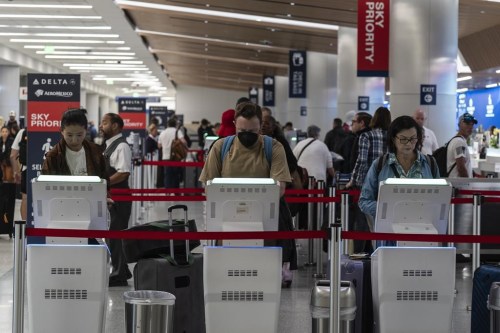
US government orders big US airlines to explain their frequent-flyer programs
Advertisement
Read this article for free:
or
Already have an account? Log in here »
To continue reading, please subscribe:

Digital Subscription
One year of digital access for only $205*
- Enjoy unlimited reading on winnipegfreepress.com
- Read the E-Edition, our digital replica newspaper
- Access News Break, our award-winning app
- Play interactive puzzles
*First annual payment billed as $205.00 + GST for one year. This annual subscription will automatically renew at $233.00 + GST every 52 weeks (10% off the regular annual price of $259.35). Offer available to new and qualified returning subscribers only. Cancel any time.
To continue reading, please subscribe:
Add Free Press access to your Brandon Sun subscription for only an additional
$1 for the first 4 weeks*
- Enjoy unlimited reading on winnipegfreepress.com
- Read the E-Edition, our digital replica newspaper
- Access News Break, our award-winning app
- Play interactive puzzles
*Your next Brandon Sun subscription payment will increase by $1.00 and you will be charged $17.95 plus GST for four weeks. After four weeks, your payment will increase to $24.95 plus GST every four weeks.
Read unlimited articles for free today:
or
Already have an account? Log in here »
Hey there, time traveller!
This article was published 05/09/2024 (725 days ago), so information in it may no longer be current.
The Biden administration is examining the four largest U.S. airline frequent-flyer programs and how they devalue points that consumers have earned and frequently change the number of points or miles needed to book flights.
Transportation Secretary Pete Buttigieg wrote to the CEOs of American, Delta, Southwest and United on Thursday, asking each for a report on policies, fees and other features of their loyalty program.
Consumers often complain that airlines raise the number of points needed to earn a free flight and limit the number of seats that can be purchased with points.
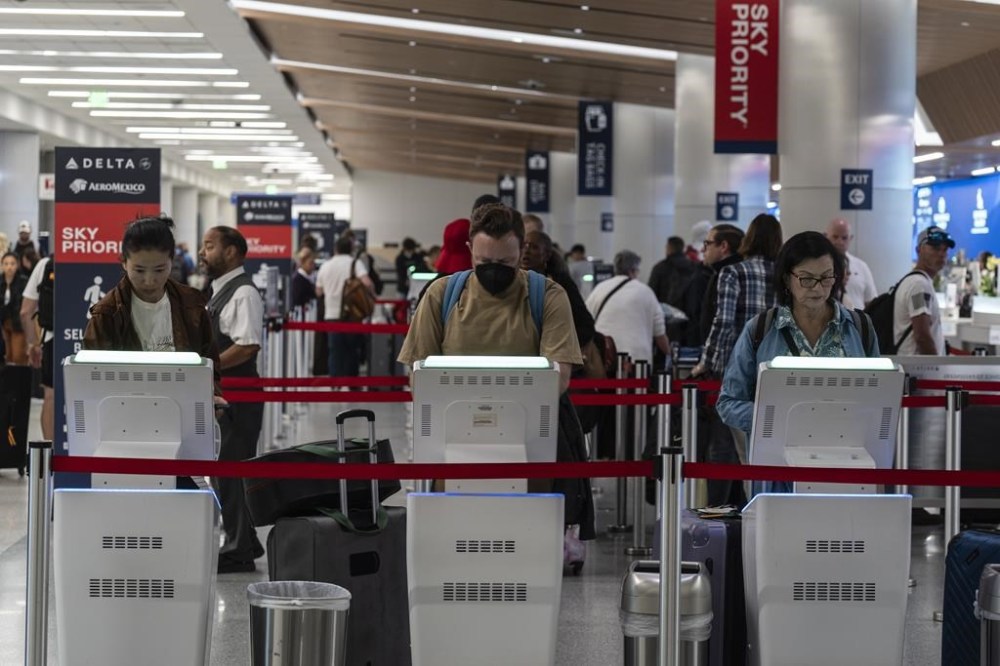
Buttigieg said loyalty programs bring value to consumers, and people count on them to pay for vacations and trips to visit family.
“But unlike a traditional savings account, these rewards are controlled by a company that can unilaterally change their value,” he said in a statement issued by the Transportation Department. “Our goal is to ensure consumers are getting the value that was promised to them, which means validating that these programs are transparent and fair.”
Delta said loyalty of members in its frequent-flyer program “means everything to us, and providing a meaningful rewards experience is the top priority within Delta’s SkyMiles Program.” Southwest highlighted that its points never expire, and said it books more seats with points than other airlines.
Airlines for America, a trade group that represents all four carriers targeted by Buttigieg, said millions of people enjoy participating in the loyalty programs.
“U.S. carriers are transparent about these programs, and policymakers should ensure that consumers can continue to be offered these important benefits,” a spokesperson for the group said.
Frequent-flyer programs were once based on the number of flights taken or miles flown. In recent years, however, they have been fueled by spending that consumers conduct using airline-branded credit cards. Income from the credit-card issuers has become an important source of airline revenue.
The Transportation Department and the Consumer Financial Protection Bureau held a hearing in May on the airline programs, at which they raised many of the issued covered in Buttigieg’s letter to airline CEOs. Witnesses included consumer advocates and officials from three smaller airlines, but no representatives of the big four airlines that are covered by the new inquiry.

One of the advocates who testified, Erin Witte of the Consumer Federation of America, said frequent-flyer programs started as a reward for consumers who were loyal to one airline.
“It’s ironic that many of them have morphed into programs that are anything but loyal to their customers and instead make people feel like they need an insurance policy to keep the points they have earned,” Witte said Thursday. She said she was glad the Transportation Department is examining the programs.
The consumer-protection board said in a report for the hearing that it received more than 1,200 complaints about credit card rewards last year, an increase of more than 70% from pre-pandemic levels. Many hotels, retailers and other businesses also offer loyalty programs with credit cards.
Buttigieg ordered the airlines to report within 90 days on matters including how point values are determined, any fees that consumers must pay, and details of deals with banks that buy miles from airlines and use them to encourage people to shop with their credit cards.
The order asks airlines to list any changes in their programs since July 31, 2018, including how each change affected the dollar value of reward points.