Bakery that makes Sara Lee and Entenmann’s pushes back on FDA sesame warning
Advertisement
Read this article for free:
or
Already have an account? Log in here »
To continue reading, please subscribe:

Digital Subscription
One year of digital access for only $205*
- Enjoy unlimited reading on winnipegfreepress.com
- Read the E-Edition, our digital replica newspaper
- Access News Break, our award-winning app
- Play interactive puzzles
*First annual payment billed as $205.00 + GST for one year. This annual subscription will automatically renew at $233.00 + GST every 52 weeks (10% off the regular annual price of $259.35). Offer available to new and qualified returning subscribers only. Cancel any time.
To continue reading, please subscribe:
Add Free Press access to your Brandon Sun subscription for only an additional
$1 for the first 4 weeks*
- Enjoy unlimited reading on winnipegfreepress.com
- Read the E-Edition, our digital replica newspaper
- Access News Break, our award-winning app
- Play interactive puzzles
*Your next Brandon Sun subscription payment will increase by $1.00 and you will be charged $17.95 plus GST for four weeks. After four weeks, your payment will increase to $24.95 plus GST every four weeks.
Read unlimited articles for free today:
or
Already have an account? Log in here »
Hey there, time traveller!
This article was published 09/10/2024 (707 days ago), so information in it may no longer be current.
A top U.S. commercial bakery is pushing back on a Food and Drug Administration warning to stop using labels that say its products contain sesame — a potentially dangerous allergen — when they don’t.
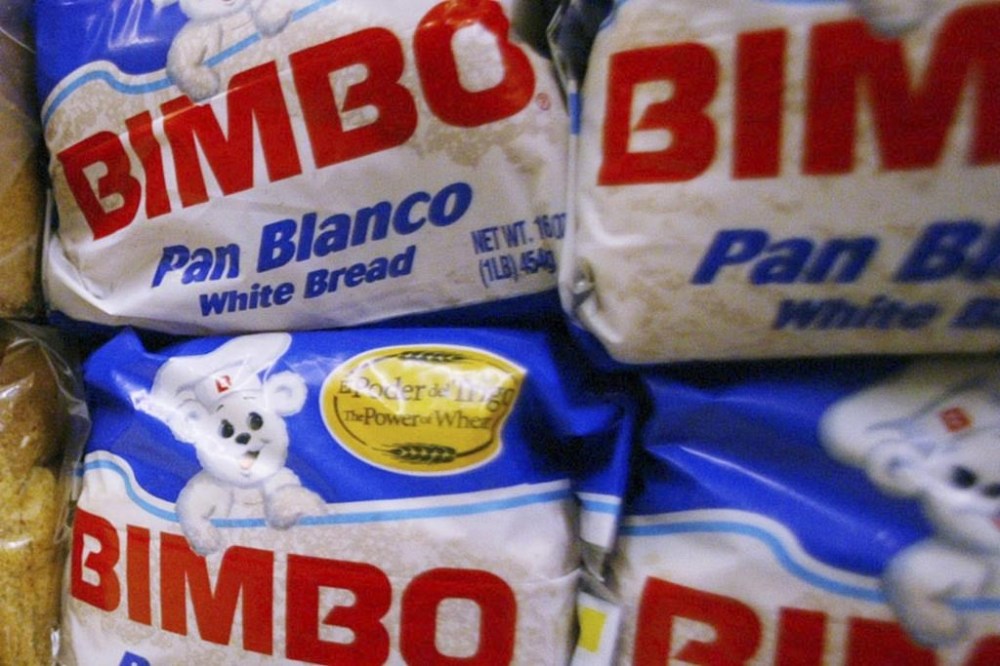
Bimbo Bakeries USA, which includes brands such as Sara Lee, Entenmann’s and Ball Park buns and rolls, appears to be defying an FDA warning sent in June that said the several of the company’s products are “misbranded” because the labels list sesame or tree nuts even though those ingredients aren’t in the foods.
In a response to the FDA, Bimbo officials said they wouldn’t change their sesame labeling. The company said it has plants where some products are made with sesame and some are not. But when it came to labeling, the company said it declares sesame as an ingredient and uses the same packaging for all of the products to prevent people from inadvertently eating foods that can trigger potentially life-threatening reactions.
“We think our approach is the most protective of sesame-allergic consumers,” the company wrote in a July 1 letter obtained by the advocacy group Center for Science in the Public Interest and shared with The Associated Press.
Bimbo officials confirmed their position in an email to the AP on Wednesday, calling it a “conservative approach” for consistent labeling of nationally distributed products.
FDA officials declined to comment, saying they would respond directly to the company. By law, the agency can take actions ranging from recalls to civil fines and criminal charges against companies that fail to heed warning letters.
But CSPI and other food safety advocates said the standoff continues a practice that misleads the estimated 33 million Americans with food allergies and results in limited choices for the more than 1.6 million who are allergic to sesame.
“We depend on accurate food labeling to feel safe,” said Sung Poblete, chief executive of the nonprofit group FARE, Food Allergy Research & Education. “We depend on accurate labeling to make the food choices that we make.”
The impasse follows a 2023 federal law that requires that all foods made and sold in the U.S. to be labeled if they contain sesame.
Bimbo Bakeries, which bills itself as the nation’s largest commercial baking company, was among several food producers and restaurant chains that began adding small amounts of sesame to foods that didn’t have it previously — and then listing it as an ingredient.
Several companies said they did that because it was too difficult and expensive to keep sesame used in one part of a baking plant out of another and they wanted to avoid liability and cost. The FDA has said that such actions are legal, although they violate the spirit of the law.
While Bimbo hasn’t changed sesame labeling, company officials told the agency they did change labels for certain breads that said they included tree nuts when they did not. The new labels now say the breads include hazelnut, the only tree nut used in the products, the company indicated.
CSPI had petitioned FDA in 2023 to halt the practice of adding sesame to foods to prevent risks of cross-contamination. It’s not clear what action the agency will take over Bimbo’s refusal to heed a warning letter, said Sarah Sorscher, CSPI’s director of regulatory affairs.

“It’s so unusual to see a big company like Bimbo calling the FDA’s bluff,” she added.
___
This story has been updated to correct spelling of Sara Lee.
___
The Associated Press Health and Science Department receives support from the Howard Hughes Medical Institute’s Science and Educational Media Group. The AP is solely responsible for all content.