Concerns raised about enforcement in baby eel fishery if licences redistributed
Advertisement
Read this article for free:
or
Already have an account? Log in here »
To continue reading, please subscribe:

Digital Subscription
One year of digital access for only $205*
- Enjoy unlimited reading on winnipegfreepress.com
- Read the E-Edition, our digital replica newspaper
- Access News Break, our award-winning app
- Play interactive puzzles
*First annual payment billed as $205.00 + GST for one year. This annual subscription will automatically renew at $233.00 + GST every 52 weeks (10% off the regular annual price of $259.35). Offer available to new and qualified returning subscribers only. Cancel any time.
To continue reading, please subscribe:
Add Free Press access to your Brandon Sun subscription for only an additional
$1 for the first 4 weeks*
- Enjoy unlimited reading on winnipegfreepress.com
- Read the E-Edition, our digital replica newspaper
- Access News Break, our award-winning app
- Play interactive puzzles
*Your next Brandon Sun subscription payment will increase by $1.00 and you will be charged $17.95 plus GST for four weeks. After four weeks, your payment will increase to $24.95 plus GST every four weeks.
Read unlimited articles for free today:
or
Already have an account? Log in here »
Hey there, time traveller!
This article was published 10/12/2024 (643 days ago), so information in it may no longer be current.
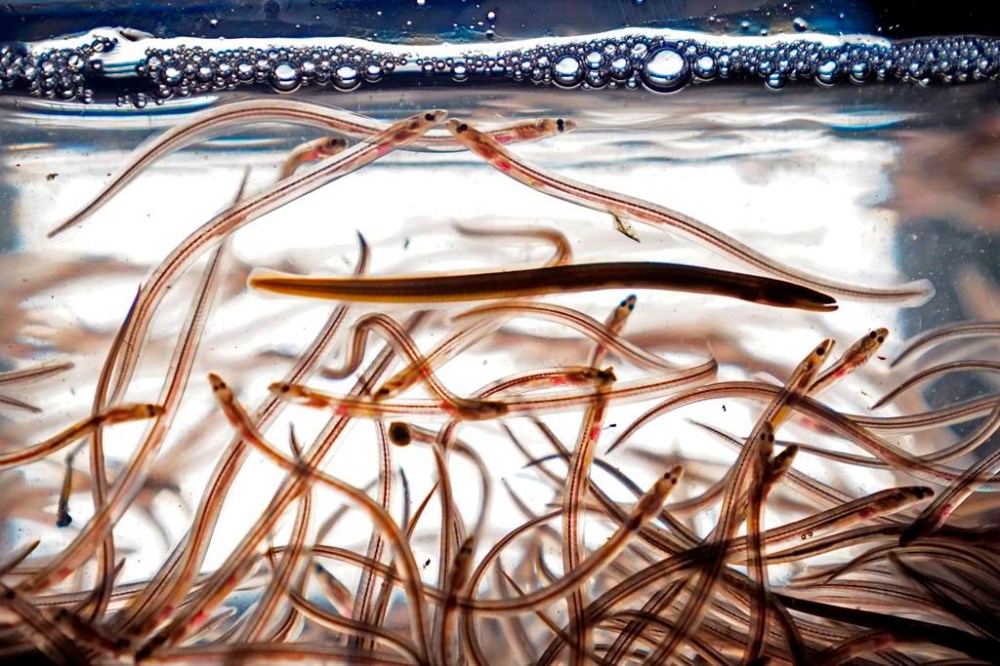
HALIFAX – Fishers raised questions today about how federal enforcement officers will cope if a proposal to increase the number of people licensed to net baby eels in the Maritimes goes ahead next year.
The concerns emerged during a meeting held by the federal Fisheries Department at which current licence holders heatedly suggested the federal minister hadn’t thought through the proposed changes.
The Fisheries Department is proposing to redistribute about 28 per cent of the allowable catch of 9,960 kilograms from nine commercial licence holders — creating about 150 new commercial licence holders — and providing half of the total catch to First Nations fishers.
Robert Mark Weldon, a fisher who works for Atlantic Elver Fishery, said during the meeting he may receive one of the licences but is worried about his safety as the number of people on the rivers seeking the lucrative baby eels increases.
Dawn Reiss, who works for commercial licence holder Atlantic Canada Eels, asked enforcement officers at the meeting how enforcement will change in 2025 under the proposed pilot project and questioned whether there will be enough officers.
Chris Wagner, an enforcement officer with DFO, told the meeting that he couldn’t say how the project would affect enforcement as it wasn’t yet clear how many people would be taking part in the fishery.
Trevor Lushington, another DFO enforcement officer, said his fellow officers tried to deter illegal fishing this year but their staffing is limited, and “there is a lot more (illegal fishing) going on,” where arrests aren’t being made.
Lushington described the current enforcement climate as “hell,” saying both fishers and officers have been threatened while working on the rivers during the spring elver season.
Wagner said 169 arrests were made on the rivers this year, but it is not clear how many of those will proceed to prosecutions.
Under the federal government’s proposed changes, the nine existing commercial licence holders will be left with just under 22 per cent of the total catch.
Fisheries Department officials have said the federal minister “supports broadening the distribution of benefits of the elver fishery,” including an increased participation of First Nations in the regulated fishery.
Under the proposed pilot project allocation, the federal department is offering licences to 120 fishers currently employed by commercial licence holders, representing 27 per cent of the overall quota. A further 1.5 per cent would be allocated to licences offered to 30 fishers who currently catch adult eels.
During the meeting, federal fisheries officials said under the pilot project the goal would be to have the “one licence holder per river approach,” on the roughly 123 rivers where elvers are fished.
This report by The Canadian Press was first published Dec. 10, 2024.
Note to readers: This is a corrected story. A previous version misidentified fisheries officer Chris Wagner as Chris Ferguson and wrongly attributed comments about illegal fishing made by Trevor Lushington.