

Find out where your firewood comes from to prevent the spread of invasive pests
Advertisement
Read this article for free:
or
Already have an account? Log in here »
To continue reading, please subscribe:
Monthly Digital Subscription
$0 for the first 4 weeks*
- Enjoy unlimited reading on winnipegfreepress.com
- Read the E-Edition, our digital replica newspaper
- Access News Break, our award-winning app
- Play interactive puzzles
*No charge for 4 weeks then price increases to the regular rate of $19.00 plus GST every four weeks. Offer available to new and qualified returning subscribers only. Cancel any time.
Monthly Digital Subscription
$4.75/week*
- Enjoy unlimited reading on winnipegfreepress.com
- Read the E-Edition, our digital replica newspaper
- Access News Break, our award-winning app
- Play interactive puzzles
*Billed as $19 plus GST every four weeks. Cancel any time.
To continue reading, please subscribe:
Add Free Press access to your Brandon Sun subscription for only an additional
$1 for the first 4 weeks*
*Your next subscription payment will increase by $1.00 and you will be charged $16.99 plus GST for four weeks. After four weeks, your payment will increase to $23.99 plus GST every four weeks.
Read unlimited articles for free today:
or
Already have an account? Log in here »
Hey there, time traveller!
This article was published 24/12/2024 (347 days ago), so information in it may no longer be current.
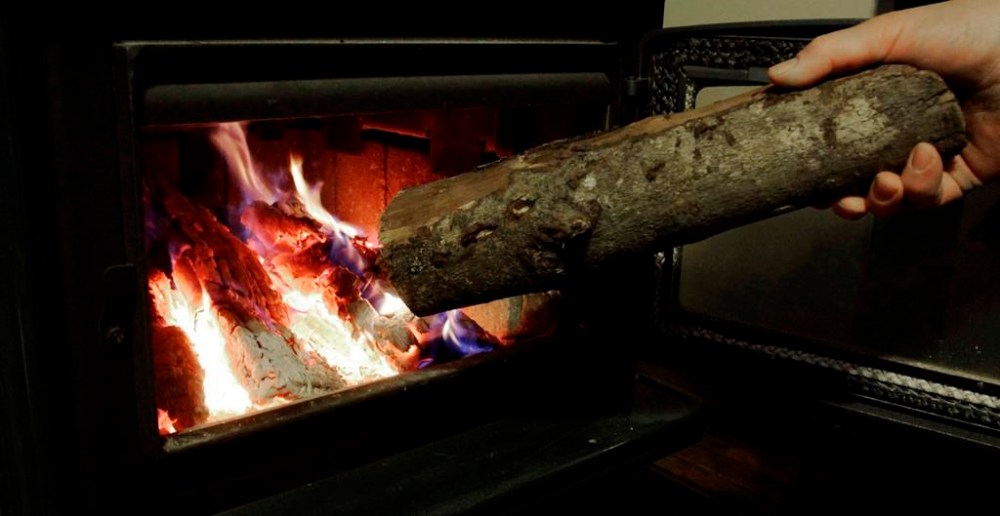
Crackling fires have long been a gathering place where idyllic chestnuts are roasted, stories shared and souls warmed, whether around a hearth or at a campsite. Some folks cut their own wood and let it season, but most buy their wood without much thought about where it came from.
As it happens, where our firewood comes from matters a lot.
The U.S. National Parks Service recommends getting firewood within 10 (and never more than 50) miles of its destination. Transporting it longer distances — from your home to a campsite or from a farm to your home, for instance — significantly increases the chances of introducing invasive pests into the local ecosystem. And those pests can inflict devastating damage on local forests.
In my suburban New York region, for instance, pests like the Asian long-horned beetle, emerald ash borer, spotted lanternfly and the oak wilt fungal disease are major concerns. Moving untreated firewood from my town to yours could make our problem your problem.
To help prevent this, many states have passed laws against moving untreated wood more than 50 miles from where it was cut or across state lines, unless the package bears a state or federal stamp or seal certifying that it’s been heat-treated to kill pests.
Even seasoned wood can harbor pests, which often hide in layers beneath the bark, where they’re hard to spot. While these pests can’t travel far on their own, giving them a lift on firewood can enable them to start a new infestation in a faraway place.
This isn’t speculation. Past invaders have already decimated native species like the American chestnut, hemlock and American elm.
What’s more, buying local firewood can help protect your garden, too — and your wallet. Infested or diseased trees can have a negative effect on property values. They’re also costly to remove. Plus, no one wants to see the landscape they’ve worked so hard to create fall victim to hitchhiking pests.
The Don’t Move Firewood campaign, an outreach partnership managed by The Nature Conservancy, aims to protect North American trees and forests from invasive insects and diseases that can travel with firewood. You can do your part simply by making informed choices.
Tips from the Don’t Move Firewood campaign to help keep trees safe:
— Get firewood close to home. The best rule of thumb is to buy it within the same county, or no more than 50 miles from where you’ll be burning it. Consult the campaign’s Firewood Map for your state’s regulations.
— Don’t be fooled by “clean” firewood. Just because it looks healthy doesn’t mean it’s pest-free. Tiny eggs or fungal spores may be hidden within the wood, ready to start a deadly infestation when they’re transported to a new location. Don’t bring your backyard firewood with you, even if it looks OK.
— Aged or seasoned wood isn’t safe. Even if it’s been sitting around for a while, moving it is still risky.
— If you’ve moved firewood, burn it soon. If you’ve already transported firewood, dispose of it safely by burning it completely and thoroughly. Clean up the area afterward, then burn the debris. Going forward, purchase only from local suppliers.
— Spread the word. Tell your friends about the risks of moving firewood — no one wants to be the one who unknowingly spreads invasive pests.
Finally, before building any outdoor fires, be sure to check for local restrictions.

___
Jessica Damiano writes weekly gardening columns for the AP and publishes the award-winning Weekly Dirt Newsletter. You can sign up here for weekly gardening tips and advice.
For her favorite tools and gear of the past year, see her 2024 gardening gift guide.
___
For more AP gardening stories, go to https://apnews.com/hub/gardening.
Related Articles
Winter temps help fight against ash tree beetle: city forester
Advertisement Advertise With Us
Advertisement Advertise With Us