

Maintaining good balance is crucial as you age. Asking these questions can help
Advertisement
Read this article for free:
or
Already have an account? Log in here »
To continue reading, please subscribe:
Monthly Digital Subscription
$1 per week for 24 weeks*
- Enjoy unlimited reading on winnipegfreepress.com
- Read the E-Edition, our digital replica newspaper
- Access News Break, our award-winning app
- Play interactive puzzles
*Billed as $4.00 plus GST every four weeks. After 24 weeks, price increases to the regular rate of $19.95 plus GST every four weeks. Offer available to new and qualified returning subscribers only. Cancel any time.
Monthly Digital Subscription
$4.99/week*
- Enjoy unlimited reading on winnipegfreepress.com
- Read the E-Edition, our digital replica newspaper
- Access News Break, our award-winning app
- Play interactive puzzles
*Billed as $19.95 plus GST every four weeks. Cancel any time.
To continue reading, please subscribe:
Add Free Press access to your Brandon Sun subscription for only an additional
$1 for the first 4 weeks*
*Your next subscription payment will increase by $1.00 and you will be charged $16.99 plus GST for four weeks. After four weeks, your payment will increase to $23.99 plus GST every four weeks.
Read unlimited articles for free today:
or
Already have an account? Log in here »
Hey there, time traveller!
This article was published 10/01/2025 (441 days ago), so information in it may no longer be current.
Taking a shower. Grocery shopping. Moving around the kitchen. Getting dressed. The underappreciated link between these mundane activities is good balance, which geriatricians say is key to maintaining an independent lifestyle as we age.
Lacking balance can be dangerous. In the U.S., 3 million older people seek medical care for fall-related injuries each year, according to the Centers for Disease Control. But falls are not inevitable, said Roopa Anmolsingh, a geriatrician who created the Cleveland Clinic’s balance classes.
“Some people have a misconception that part of getting old is, you’re going to fall. That’s not true,” Anmolsingh said. “You can control how you fall, or if you fall.”
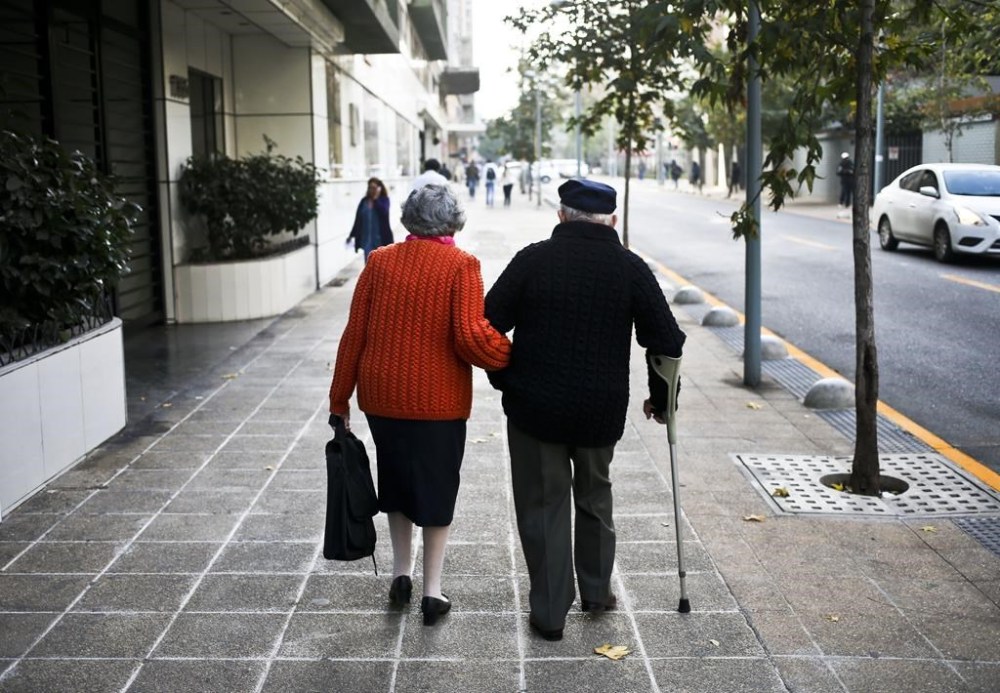
To prevent falls, geriatricians say people should start asking themselves questions about their balance as early as 50 years old.
Do I ever feel unsteady?
Besides muscles and bones, other systems in the body can affect balance, so it’s important to have a doctor check you if you ever feel unsteady, even if only occasionally. The cause could be related to blood pressure, a medication, inner-ear function, a nervous system issue or countless other potential problems.
Even if unsteadiness is not an issue, you can determine whether you still might need an intervention with an easy at-home assessment.
Standing next to a wall or something that can lend support if needed, raise one leg. If you can balance on each leg for 10 seconds, you should be fine, said Greg W. Hartley, a University of Miami professor of physical therapy specializing in geriatrics.
“If you can’t do that, then you should probably go see a physical therapist,” he said.
Another assessment, which Hartley recommended doing supervised, is called TUG, for “timed up and go.” Sit in a chair and start a timer when you stand. Walk 10 feet (3 meters), come back and stop the timer upon sitting back down. If it takes longer than 15 seconds, the risk for a fall is very high. Twelve seconds or less, the likelihood of a fall is almost zero.
The National Council on Aging offers an online resource to assess the risk of a fall with questions about medications, whether you worry about falling and if you have trouble stepping over a curb, among others.
What can I do to improve balance?
Because muscle mass begins to decline in most people during their 30s, geriatricians say the best way to preserve good balance is to stay physically active throughout life. But it’s never too late to start prioritizing it, Anmolsingh said.
Tai chi and yoga are particularly good for older adults because they involve controlled movements while shifting body weight. There also are individual exercises people can work into their everyday lives.
Anmolsingh recommended standing on one foot while waiting in line at the grocery store. At home, try sitting up and down from a chair several times without using arm rests. While holding onto a chair or the wall, do three-way leg lifts on each side, lifting a leg to the front, side and then back. At the kitchen counter, take a few steps to the side in each direction.
How often should I do the exercises?

For general physical activity, which will improve balance as well as mood and overall health, the National Institute of Aging recommends at least 150 minutes per week. That should include a mixture of stretching to improve flexibility, an aerobic activity increasing the heart rate and strength training with weights or resistance bands.
For balance-specific exercises, it’s particularly important to do them regularly because it takes at least 50 hours of training to have a measurable impact, Hartley said. Besides strengthening the associated muscles, doing exercises repetitively for extended periods trains the brain to react properly when you slip or trip.
“Just like an athlete needs to do repetition to train for a sport, you’re doing repetition to train for everyday balance activities,” he said.
___
Albert Stumm writes about wellness, food and travel. Find his work at https://www.albertstumm.com.