

What products contain Red 3 dye? Checking ingredient labels is the best way to find out
Advertisement
Read this article for free:
or
Already have an account? Log in here »
To continue reading, please subscribe:
Monthly Digital Subscription
$1 per week for 24 weeks*
- Enjoy unlimited reading on winnipegfreepress.com
- Read the E-Edition, our digital replica newspaper
- Access News Break, our award-winning app
- Play interactive puzzles
*Billed as $4.00 plus GST every four weeks. After 24 weeks, price increases to the regular rate of $19.95 plus GST every four weeks. Offer available to new and qualified returning subscribers only. Cancel any time.
Monthly Digital Subscription
$4.99/week*
- Enjoy unlimited reading on winnipegfreepress.com
- Read the E-Edition, our digital replica newspaper
- Access News Break, our award-winning app
- Play interactive puzzles
*Billed as $19.95 plus GST every four weeks. Cancel any time.
To continue reading, please subscribe:
Add Free Press access to your Brandon Sun subscription for only an additional
$1 for the first 4 weeks*
*Your next subscription payment will increase by $1.00 and you will be charged $16.99 plus GST for four weeks. After four weeks, your payment will increase to $23.99 plus GST every four weeks.
Read unlimited articles for free today:
or
Already have an account? Log in here »
Hey there, time traveller!
This article was published 15/01/2025 (435 days ago), so information in it may no longer be current.
The Food and Drug Administration is ordering food and drug makers to remove a dye called Red 3 from the products U.S. consumers eat and drink.
The colorant was banned from cosmetics and non-oral medications decades ago because a study showed it caused cancer when eaten by rats. But it kept appearing on the ingredient lists of popular snack foods and other grocery products because it remained approved for use until now.
Consumer advocates monitor manufacturers that still include the additive, and companies often switch to less notorious alternatives. Shoppers should always check food labels to see if an item they want to buy includes Red 3, which is also known as erythrosine and FD&C Red No. 3.
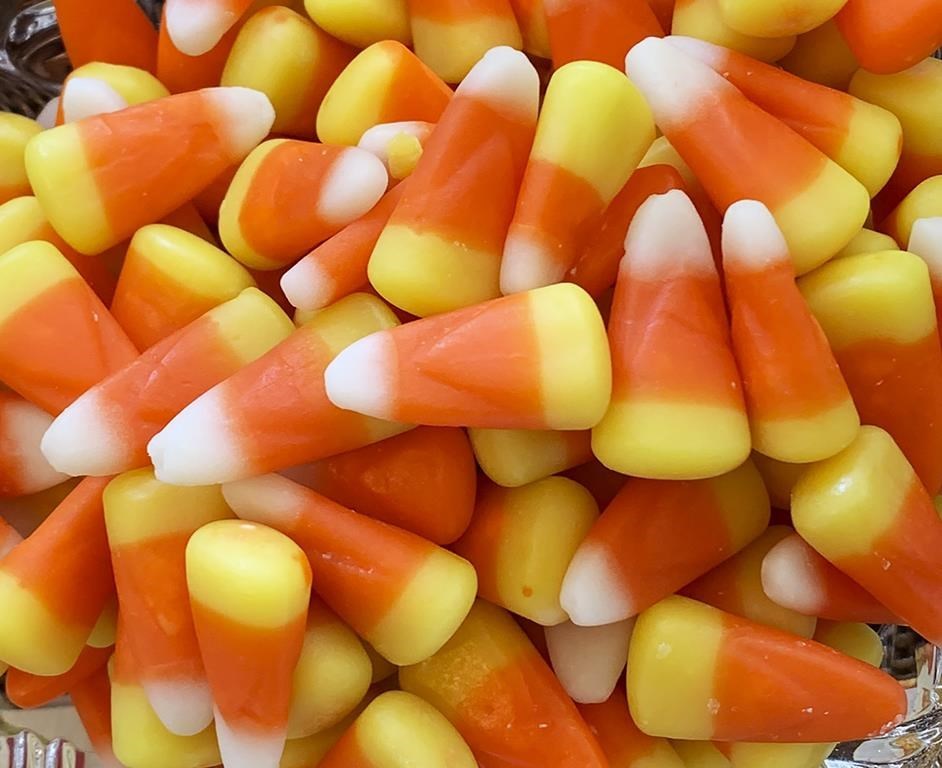
These are some of the product categories where the dye is most likely to show up.
CANDIES
Brach’s Conversation Hearts and Brach’s Candy Corn both contain Red 3. But some other red candies, like Swedish Fish and Wild Cherry Lifesavers, use Red 40.
BAKED GOODS AND SNACKS
Some baked goods and snacks – mostly with red icing – contain Red 3. Betty Crocker Red Decorating Icing contains Red 3. But Pillsbury’s Funfetti Valentine’s Day Vanilla Frosting – which is swirled with tiny red hearts – uses Red 40.
DAIRY AND FROZEN FOODS
Check for Red 3 in strawberry-flavored milk, ice cream, frozen yogurt and popsicles. TruMoo Strawberry Whole Milk contains Red 3. But Edy’s Strawberry Ice Cream and Popsicle-brand fruit pops both use use beet juice for coloring.
FRUIT PRODUCTS

Many maraschino cherry brands – including store brands from Walmart and Kroger – have switched to Red 40. But Kroger Extra Cherry canned fruit cocktail contains Red 3.
BEVERAGES
Ensure Original Strawberry Nutrition Shake contains Red 3. But many beverage brands use Red 40, including Hawaiian Punch and Kool-Aid, Fanta and Jarritos strawberry sodas and Faygo black cherry soda.
MEDICATIONS
Consumer advocates say some gummy vitamins and medications contain Red 3. But others use natural coloring or alternate dyes. Vicks Formula 44, Luden’s and Halls cough drops all use Red 40. Mucinex Children’s Cough Syrup, Robitussen Adult Cough and Chest Congestion and Vick’s NyQuil Cold and Flu also use Red 40.