Federal judge blocks drastic funding cuts to medical research
Advertisement
Read this article for free:
or
Already have an account? Log in here »
To continue reading, please subscribe:

Digital Subscription
One year of digital access for only $205*
- Enjoy unlimited reading on winnipegfreepress.com
- Read the E-Edition, our digital replica newspaper
- Access News Break, our award-winning app
- Play interactive puzzles
*First annual payment billed as $205.00 + GST for one year. This annual subscription will automatically renew at $233.00 + GST every 52 weeks (10% off the regular annual price of $259.35). Offer available to new and qualified returning subscribers only. Cancel any time.
To continue reading, please subscribe:
Add Free Press access to your Brandon Sun subscription for only an additional
$1 for the first 4 weeks*
- Enjoy unlimited reading on winnipegfreepress.com
- Read the E-Edition, our digital replica newspaper
- Access News Break, our award-winning app
- Play interactive puzzles
*Your next Brandon Sun subscription payment will increase by $1.00 and you will be charged $17.95 plus GST for four weeks. After four weeks, your payment will increase to $24.95 plus GST every four weeks.
Read unlimited articles for free today:
or
Already have an account? Log in here »
Hey there, time traveller!
This article was published 05/03/2025 (583 days ago), so information in it may no longer be current.
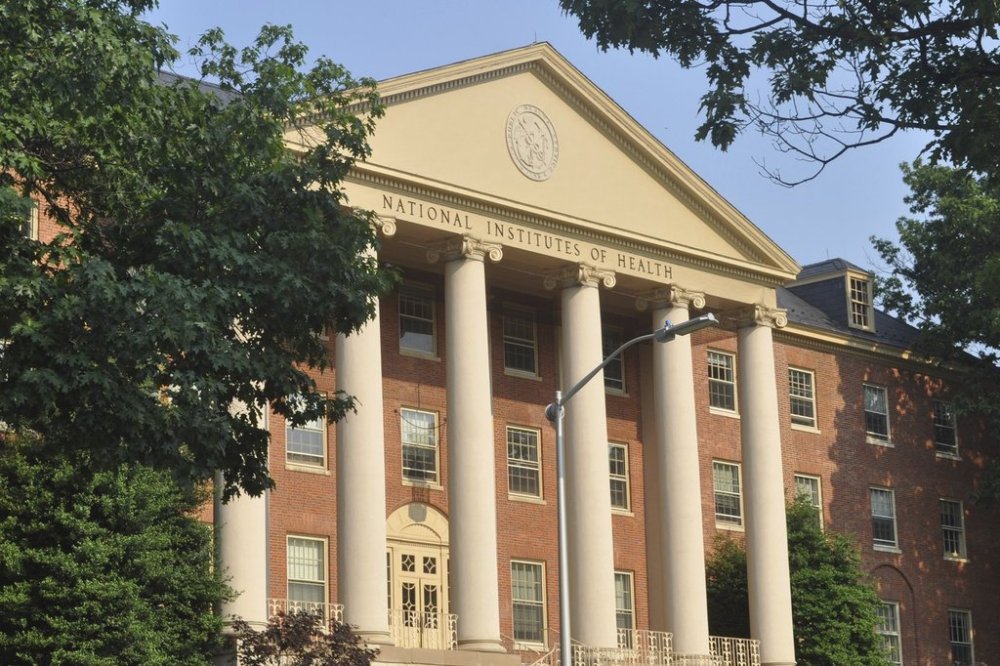
A federal judge on Wednesday blocked the Trump administration from drastically cutting medical research funding that many scientists say will endanger patients and cost jobs.
The new National Institutes of Health policy would strip research groups of hundreds of millions of dollars to cover so-called indirect expenses of studying Alzheimer’s, cancer, heart disease and a host of other illnesses — anything from clinical trials of new treatments to basic lab research that is the foundation for discoveries.
Separate lawsuits filed by a group of 22 states plus organizations representing universities, hospitals and research institutions nationwide sued to stop the cuts, saying they would cause “irreparable harm.”

U.S. District Judge Angel Kelley in Boston had temporarily blocked the cuts last month. Wednesday, she filed a preliminary injunction that puts the cuts on hold for longer, while the suits proceed.
The NIH, the main funder of biomedical research, awarded about $35 billion in grants to research groups last year. The total is divided into “direct” costs – covering researchers’ salaries and laboratory supplies – and “indirect” costs, the administrative and facility costs needed to support that work.
The Trump administration had dismissed those expenses as “overhead,” but universities and hospitals argue they’re far more critical. They can include such things as electricity to operate sophisticated machinery, hazardous waste disposal, staff who ensure researchers follow safety rules and janitorial workers.

Under prior policy, the government negotiated those rates with institutions. As an example, an institution with a 50% indirect cost rate would get another $50,000 to cover indirect expenses for a $100,000 project. The NIH’s new policy would cap indirect costs at a flat rate of 15% instead, calculated to save the agency $4 billion a year.
Dr. David J. Skorton of the Association of American Medical Colleges, one of the plaintiffs, applauded the ruling. “These unlawful cuts would slow medical progress and cost lives,” he wrote in a statement, saying the NIH-funded research “benefits every person and community in America.”
The Department of Health and Human Services, which oversees NIH, did not immediately reply to a request for comment.
___
The Associated Press Health and Science Department receives support from the Howard Hughes Medical Institute’s Science and Educational Media Group and the Robert Wood Johnson Foundation. The AP is solely responsible for all content.