RFK Jr. is targeting ultraprocessed foods. What are they, and are they bad for you?
Advertisement
Read this article for free:
or
Already have an account? Log in here »
To continue reading, please subscribe:

Digital Subscription
One year of digital access for only $205*
- Enjoy unlimited reading on winnipegfreepress.com
- Read the E-Edition, our digital replica newspaper
- Access News Break, our award-winning app
- Play interactive puzzles
*First annual payment billed as $205.00 + GST for one year. This annual subscription will automatically renew at $233.00 + GST every 52 weeks (10% off the regular annual price of $259.35). Offer available to new and qualified returning subscribers only. Cancel any time.
To continue reading, please subscribe:
Add Free Press access to your Brandon Sun subscription for only an additional
$1 for the first 4 weeks*
- Enjoy unlimited reading on winnipegfreepress.com
- Read the E-Edition, our digital replica newspaper
- Access News Break, our award-winning app
- Play interactive puzzles
*Your next Brandon Sun subscription payment will increase by $1.00 and you will be charged $17.95 plus GST for four weeks. After four weeks, your payment will increase to $24.95 plus GST every four weeks.
Read unlimited articles for free today:
or
Already have an account? Log in here »
Hey there, time traveller!
This article was published 12/03/2025 (577 days ago), so information in it may no longer be current.
In the Trump administration’s quest to “Make America Healthy Again,” there may be no bigger target than ultraprocessed foods.
Robert F. Kennedy Jr., the nation’s new health secretary, has cited “highly chemically processed foods” as a chief culprit behind an epidemic of chronic disease in the U.S., including ailments such as obesity, diabetes and autoimmune disorders.
Such foods are “poisoning” people, particularly children, Kennedy said during Senate confirmation hearings. He has vowed to work to remove such foods from federal programs such as the Supplemental Nutrition Assistance Program, or SNAP.
“I will do everything in my power to put the health of Americans back on track,” he told lawmakers.
Key to that goal, however, could be making sure that consumers understand basic facts about ultraprocessed foods and the role they play in daily meals.
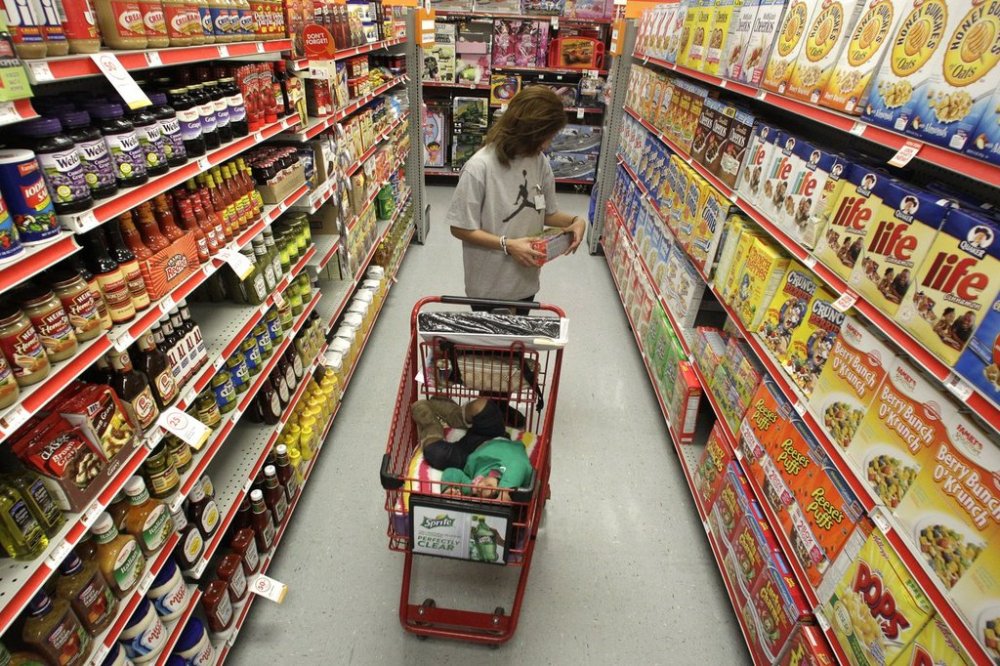
From sugary cereals at breakfast to frozen pizzas at dinner, plus in-between snacks of potato chips, sodas and ice cream, ultraprocessed foods make up about 60% of the U.S. diet. For kids and teens, it’s even higher — about two-thirds of what they eat.
That’s concerning because ultraprocessed foods have been linked to a host of negative health effects, from obesity and diabetes to heart disease, depression, dementia and more. One recent study suggested that eating these foods may raise the risk of early death.
Nutrition science is tricky, though, and most research so far has found connections, not proof, regarding the health consequences of these foods.
Food manufacturers argue that processing boosts food safety and supplies and offers a cheap, convenient way to provide a diverse and nutritious diet.
Even if the science were clear, it’s hard to know what practical advice to give when ultraprocessed foods account for what one study estimates is more than 70% of the U.S. food supply.
The Associated Press asked several nutrition experts and here’s what they said:
What are ultraprocessed foods?
Most foods are processed, whether it’s by freezing, grinding, fermentation, pasteurization or other means. In 2009, Brazilian epidemiologist Carlos Monteiro and colleagues first proposed a system that classifies foods according to the amount of processing they undergo, not by nutrient content.
At the top of the four-tier scale are foods created through industrial processes and with ingredients such as additives, colors and preservatives that you couldn’t duplicate in a home kitchen, said Kevin Hall, a researcher who focuses on metabolism and diet at the National Institutes of Health.
“These are most, but not all, of the packaged foods you see,” Hall said.
Such foods are often made to be both cheap and irresistibly delicious, said Dr. Neena Prasad, director of the Bloomberg Philanthropies’ Food Policy Program.
“They have just the right combination of sugar, salt and fat and you just can’t stop eating them,” Prasad said
However, the level of processing alone doesn’t determine whether a food is unhealthy or not, Hall noted. Whole-grain bread, yogurt, tofu and infant formula are all highly processed, for instance, but they’re also nutritious.
Are ultraprocessed foods harmful?
Here’s the tricky part. Many studies suggest that diets high in such foods are linked to negative health outcomes. But these kinds of studies can’t say whether the foods themselves are the cause of the negative effects — or whether there’s something else about the people who eat these foods that might be responsible.
Ultraprocessed foods, as a group, tend to have higher amounts of sodium, saturated fat and sugar, and tend to be lower in fiber and protein. It’s not clear whether it’s just these nutrients that are driving the effects.
Hall and his colleagues were the first to conduct a small but influential experiment that directly compared the results of eating similar diets made of ultraprocessed versus unprocessed foods.
Published in 2019, the research included 20 adults who went to live at an NIH center for a month. They received diets of ultraprocessed and unprocessed foods matched for calories, sugar, fat, fiber and macronutrients for two weeks each and were told to eat as much as they liked.
When participants ate the diet of ultraprocessed foods, they consumed about 500 calories per day more than when they ate unprocessed foods, researchers found — and they gained an average of about 2 pounds (1 kilogram) during the study period. When they ate only unprocessed foods for the same amount of time, they lost about 2 pounds (1 kilogram).
Hall is conducting a more detailed study now, but the process is slow and costly and results aren’t expected until late next year. He and others argue that such definitive research is needed to determine exactly how ultraprocessed foods affect consumption.
“It’s better to understand the mechanisms by which they drive the deleterious health consequences, if they’re driving them,” he said.
Should ultraprocessed foods be regulated?
Some advocates, like Prasad, argue that the large body of research linking ultraprocessed foods to poor health should be more than enough to spur government and industry to change policies. She calls for actions such as increased taxes on sugary drinks, stricter sodium restrictions for manufacturers and cracking down on marketing of such foods to children.
“Do we want to risk our kids getting sicker while we wait for this perfect evidence to emerge?” Prasad said.
Last year, former FDA Commissioner Robert Califf broached the subject, telling a conference of food policy experts that ultraprocessed foods are “one of the most complex things I’ve ever dealt with.”
But, he concluded, “We’ve got to have the scientific basis and then we’ve got to follow through.”
How should consumers manage ultraprocessed foods at home?
In countries like the U.S., it’s hard to avoid highly processed foods — and it’s not clear which ones should be targeted, said Aviva Musicus, science director for the Center for Science in the Public Interest, which advocates for food policies.
“The range of ultraprocessed foods is just so wide,” she said.
Instead, it’s better to be mindful of the ingredients in foods. Check the labels and make choices that align with the current dietary guidelines, she suggested.
“We have really good evidence that added sugar is not great for us. We have evidence that high-sodium foods are not great for us,” she said. “We have great evidence that fruits and vegetables which are minimally processed are really good for us.”
It’s important not to vilify certain foods, she added. Many consumers don’t have the time or money to cook most meals from scratch.
“Foods should be joyous and delicious and shouldn’t involve moral judgment,” Musicus said.
___
The Associated Press Health and Science Department receives support from the Howard Hughes Medical Institute’s Science and Educational Media Group and the Robert Wood Johnson Foundation. The AP is solely responsible for all content.