Quebec university publishes guidelines for staff, students travelling to the U.S.
Advertisement
Read this article for free:
or
Already have an account? Log in here »
To continue reading, please subscribe:

Digital Subscription
One year of digital access for only $205*
- Enjoy unlimited reading on winnipegfreepress.com
- Read the E-Edition, our digital replica newspaper
- Access News Break, our award-winning app
- Play interactive puzzles
*First annual payment billed as $205.00 + GST for one year. This annual subscription will automatically renew at $233.00 + GST every 52 weeks (10% off the regular annual price of $259.35). Offer available to new and qualified returning subscribers only. Cancel any time.
To continue reading, please subscribe:
Add Free Press access to your Brandon Sun subscription for only an additional
$1 for the first 4 weeks*
- Enjoy unlimited reading on winnipegfreepress.com
- Read the E-Edition, our digital replica newspaper
- Access News Break, our award-winning app
- Play interactive puzzles
*Your next Brandon Sun subscription payment will increase by $1.00 and you will be charged $17.95 plus GST for four weeks. After four weeks, your payment will increase to $24.95 plus GST every four weeks.
Read unlimited articles for free today:
or
Already have an account? Log in here »
Hey there, time traveller!
This article was published 29/03/2025 (536 days ago), so information in it may no longer be current.
MONTREAL – Université de Montréal has issued a series of guidelines this week to students and staff who will be travelling to the United States for academic purposes amid what it described as growing anxiety among members of the community.
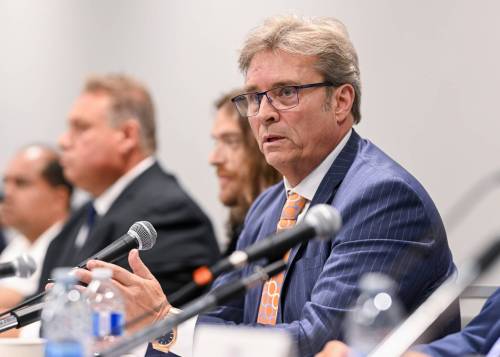
Rector Daniel Jutras says the guidelines were issued on Thursday in response to a number of questions from students and staff amid multiple reports of detentions and denial of entry into the U.S.
While there’s no specific incident involving a member of the university community being turned away at the border, the institution felt the need to respond to concerns raised, Jutras said.
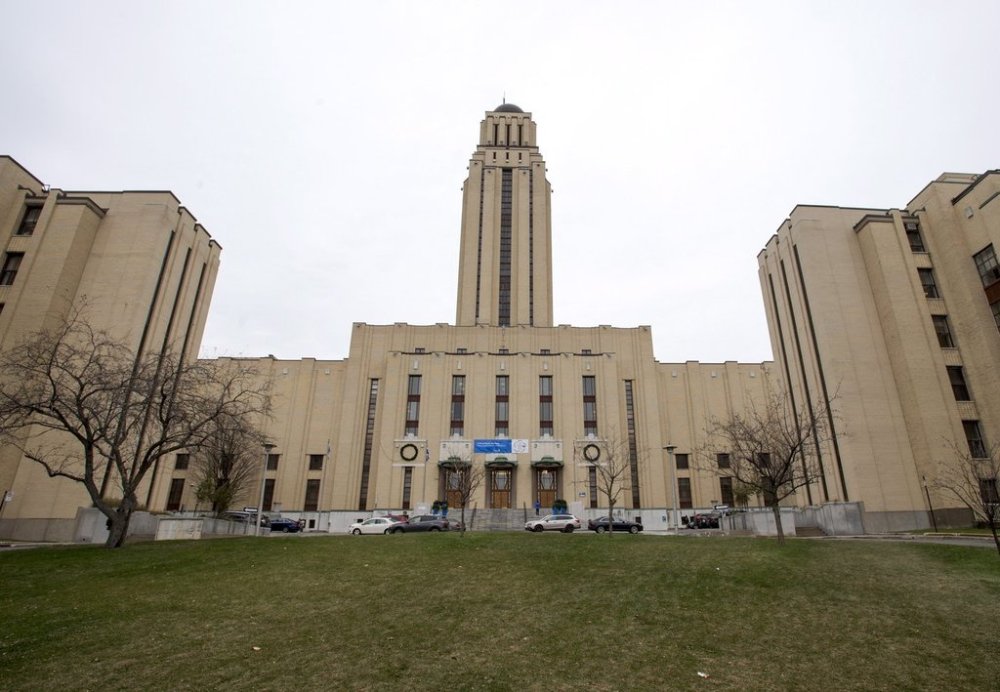
The memo includes advice to exercise caution when travelling south of the Canada-U. S. border and a reminder that U.S. customs officers have the right to inspect electronic devices upon entering the U.S.
“Some of our scholars crossing the border travel with equipment that may in some circumstances contain research data, which we are in many cases under an obligation to protect,” Jutras said.
“So here’s one example: we’re telling our colleagues be aware of that power, make sure that you do not travel with sensitive information or information that should not be seen by people outside of your circle.”
The memo warns people could be turned away if they refuse to unlock their device. They are also advised to change passwords if they are provided to customs.
Notably, the university encourages members to continue their academic collaborations with the United States, in order to support the university’s teaching and research mission.
“But it’s not unreasonable for professors and students to query whether there are precautions that they need to make (or) to take before they’re going,” Jutras said.
The university advises students and staff to tell the institution when they are travelling and discuss potential risks before leaving for the U.S. or elsewhere.
Universities Canada said it was aware of the Montreal university’s advisory and has asked Global Affairs Canada for guidance on how to advise its members.
“These are challenging times for Canadian researchers and Universities Canada is working with its various stakeholders, including the federal government, on how to best support these individuals and their work,” a spokesperson for the non-governmental higher education advocacy organization wrote in an emailed statement.
Jutras said a broader policy was adopted in 2023 by Université de Montréal and encompasses all international travel by scholars, researchers and students going abroad and extends to situations like sanitary concerns or climate-related issues in regions where they are going.
Jutras said this week that it is the first time they’ve sent out a memo about the policy.
“What’s different here is that given the questions … we have realized that what appeared six months ago or a year ago to be pretty straightforward travel to the United States is now perceived by a lot of people as potentially more difficult or problematic,” Jutras said.

“So we just wanted to tell them we have a process to help them.”
Jutras noted that in addition to the concerns, some Canadian researchers in the U.S. have quietly sounded out colleagues about returning home.
“What I’m hearing from my faculty colleagues is that they are getting phone calls from scholars in the United States — frequently. Canadian scholars in the United States — who were thinking of coming back, but not exclusively,” Jutras said.
“So I think there are recruitment opportunities, and as you may have seen, there are European universities that are really taking advantage of that or seeking to take advantage of that by putting up very significant resources.”
This report by The Canadian Press was first published March 29, 2025.