

Moderna study shows immune response in older adults for a combo flu and COVID-19 shot
Advertisement
Read this article for free:
or
Already have an account? Log in here »
To continue reading, please subscribe:
Monthly Digital Subscription
$1 per week for 24 weeks*
- Enjoy unlimited reading on winnipegfreepress.com
- Read the E-Edition, our digital replica newspaper
- Access News Break, our award-winning app
- Play interactive puzzles
*Billed as $4.00 plus GST every four weeks. After 24 weeks, price increases to the regular rate of $19.95 plus GST every four weeks. Offer available to new and qualified returning subscribers only. Cancel any time.
Monthly Digital Subscription
$4.99/week*
- Enjoy unlimited reading on winnipegfreepress.com
- Read the E-Edition, our digital replica newspaper
- Access News Break, our award-winning app
- Play interactive puzzles
*Billed as $19.95 plus GST every four weeks. Cancel any time.
To continue reading, please subscribe:
Add Free Press access to your Brandon Sun subscription for only an additional
$1 for the first 4 weeks*
*Your next subscription payment will increase by $1.00 and you will be charged $16.99 plus GST for four weeks. After four weeks, your payment will increase to $23.99 plus GST every four weeks.
Read unlimited articles for free today:
or
Already have an account? Log in here »
Hey there, time traveller!
This article was published 07/05/2025 (323 days ago), so information in it may no longer be current.
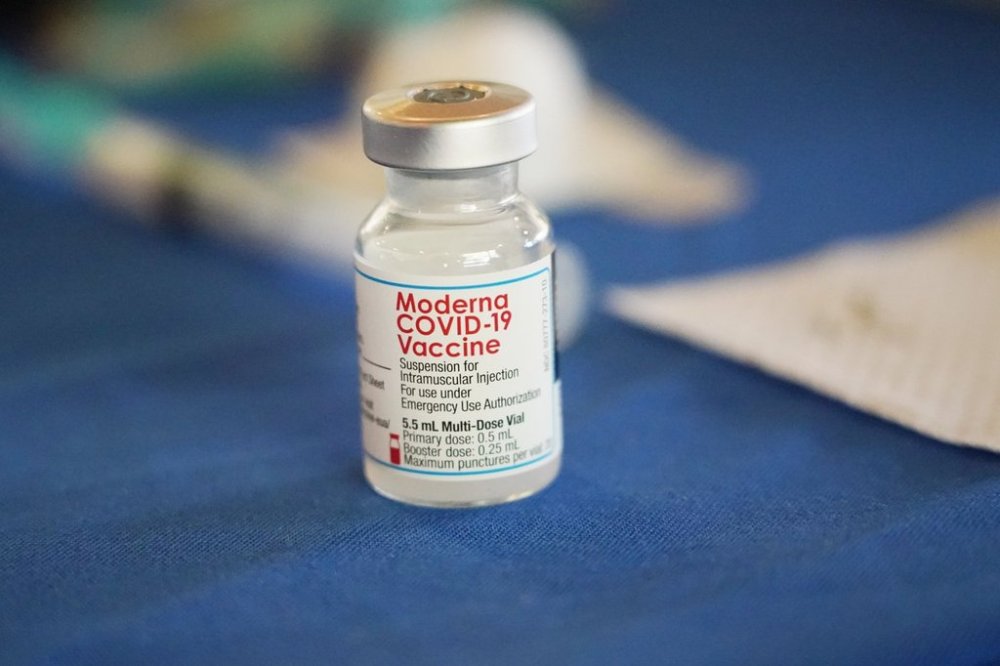
A combination shot for flu and COVID-19 using messenger RNA generated antibodies in a study, but U.S. government regulators want to see data on whether the new vaccine protects people from getting sick.
Researchers from vaccine-maker Moderna reported in a study published Wednesday that the new combo shot generated a stronger immune response against COVID-19 and most strains of flu than existing standalone shots in people 50 and older. Side effects were injection site pain, fatigue and headaches. Moderna previously reported a summary of the results from the company-sponsored trial in 8,000 people.
The mRNA technology is used in approved COVID-19 and RSV shots, but has not yet been approved for a flu shot. Moderna believes mRNA could speed up production of flu shots compared with traditional processes that use chicken eggs or giant vats of cells. A combo shot also might improve vaccination rates, the researchers wrote in the study published in the Journal of the American Medical Association.
Dr. Greg Poland, who studies vaccine response at Mayo Clinic and was not involved in the new study, said he’s not convinced that a combo shot would be popular. And while flu comes in seasonal waves, COVID-19 has been spreading throughout the year, Poland said, posing challenges for how to time the shots to keep protection strong.
He’d also like to see data on how well the new shot protected people from infection and hospitalization.
The findings are based on measuring antibodies in participants’ blood after 29 days, an indication of short-term disease protection.
Last week, Moderna pushed its target date for the vaccine’s approval to 2026 after the Food and Drug Administration requested a more direct measure: how much the shot lowered the risk of disease.
“I agree in this case with FDA that efficacy data are important to see,” Poland said.
Health Secretary Robert F. Kennedy Jr. has cast doubt on the safety of mRNA vaccines, but Moderna President Stephen Hoge told investors in an earnings call last week that talks with the FDA were productive and “business as usual.”
Also last week, Novavax said the FDA was asking the company to run a new clinical trial of its protein-based COVID-19 vaccine after the agency grants full approval, sowing uncertainty about other vaccine updates.
___
The Associated Press Health and Science Department receives support from the Howard Hughes Medical Institute’s Science and Educational Media Group and the Robert Wood Johnson Foundation. The AP is solely responsible for all content.