

Here are some things you can do to be better prepared for major flooding
Advertisement
Read this article for free:
or
Already have an account? Log in here »
To continue reading, please subscribe:
Monthly Digital Subscription
$1 per week for 24 weeks*
- Enjoy unlimited reading on winnipegfreepress.com
- Read the E-Edition, our digital replica newspaper
- Access News Break, our award-winning app
- Play interactive puzzles
*Billed as $4.00 plus GST every four weeks. After 24 weeks, price increases to the regular rate of $19.95 plus GST every four weeks. Offer available to new and qualified returning subscribers only. Cancel any time.
Monthly Digital Subscription
$4.99/week*
- Enjoy unlimited reading on winnipegfreepress.com
- Read the E-Edition, our digital replica newspaper
- Access News Break, our award-winning app
- Play interactive puzzles
*Billed as $19.95 plus GST every four weeks. Cancel any time.
To continue reading, please subscribe:
Add Free Press access to your Brandon Sun subscription for only an additional
$1 for the first 4 weeks*
*Your next subscription payment will increase by $1.00 and you will be charged $16.99 plus GST for four weeks. After four weeks, your payment will increase to $23.99 plus GST every four weeks.
Read unlimited articles for free today:
or
Already have an account? Log in here »
Hey there, time traveller!
This article was published 10/07/2025 (262 days ago), so information in it may no longer be current.
Catastrophic floods can be difficult to prepare for. Sometimes evacuation is the right call, but if it’s too late the best bet is to find higher ground nearby. The stakes can be high, because a flash flood may give those in its path only minutes or seconds to react.
The right moves depend on the storm and the geography, said James Doss-Gollin, an assistant professor who teaches civil and environmental engineering at Rice University. For example, the advice won’t be the same for people who live near a beach and those who live by a river, he said.
“Some places you’re worried about the water moving really fast in the river. Some places you’re worried about roads getting flooded, but the water might not be moving very fast. So often your local community is going to have the best information,” he said.
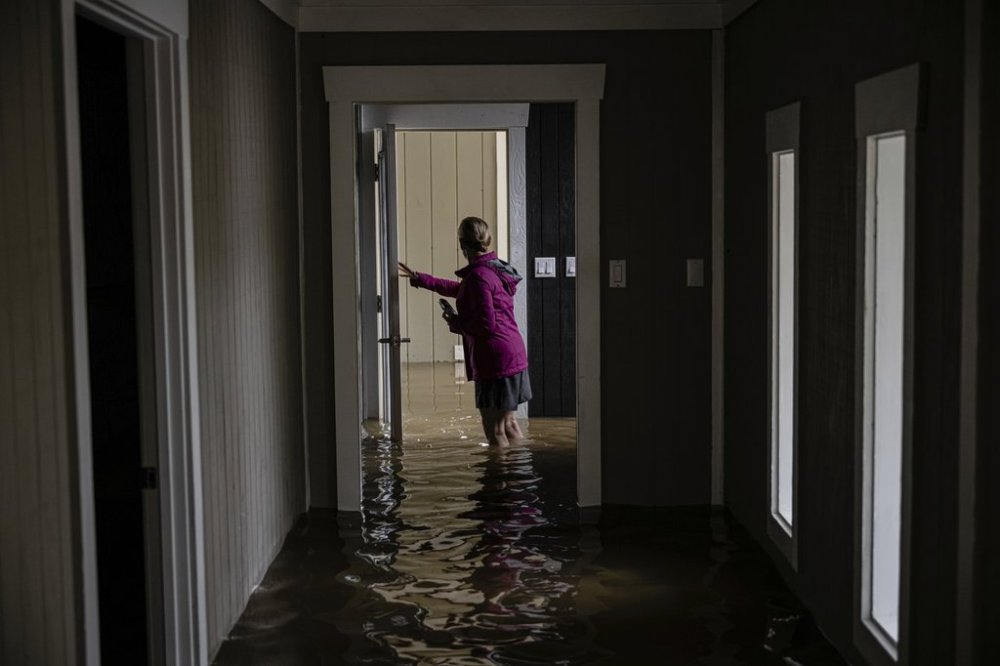
Regardless of the storm or where it’s happening, Richina Bicette-McCain, an emergency physician with Baylor College of Medicine, said preparation is key.
“One of my favorite phrases is if you stay ready, then you don’t have to get ready,” she said.
Before the flooding starts
If you live in the United States, make sure the National Weather Service’s automatic weather alerts on your phone are activated. If you live in another country, find out what the weather agency and how they provide alerts.
If you don’t have a phone or it’s not working, the weather service recommends NOAA Weather Radio, local news coverage and listening for the Emergency Alert System on TV and radio broadcasts. These alerts typically include a few key phrases that indicate how serious the threat is. Here’s a quick glossary:
1. Flood watch: Hazardous weather is possible. Be prepared.
2. Flood advisory: Flooding is expected to be inconvenient, but not necessarily dangerous. Be aware.
3. Flood warning: Hazardous weather is imminent, or already happening. Take action.
4. Flash flood warning: Flooding is imminent or already happening, and the flood is especially sudden or violent. You might only have seconds to find higher ground.
5. Flash flood emergency: There’s a severe threat to human life, and catastrophic damage is about to happen or is already happening. This is exceedingly rare, and at this point, officials are typically reporting evacuations and rescues.
Doss-Gollin said before the National Weather Service issues a warning or emergency alert, it’s important for people to know where the nearest high places are that will not flood, so evacuees can move quickly if needed.
Bicette-McCain has her go-bag ready and refreshed every hurricane season that includes flashlights, spare batteries, food and water. And she said patients seeking medical care in flood emergencies typically face one of two problems: either they can’t use their regular medications or medical devices once the power goes out, or they’re dehydrated. So, she said, the most important items to throw in are medications, batteries and lots of drinking water.
“I don’t know if you’ve ever been so thirsty that you’re just desperate for a morsel of liquid to drink, but sometimes people get into that situation and they’ll resort to drinking flood water. And if you survive the flood, the implications of drinking flood water may be what does you in,” she said.
The National Weather Service, FEMA and American Red Cross all have emergency go-bag recommendations that include personal hygiene items, warm blankets and a whistle to signal for help. Doss-Gollin’s go-bag includes diapers and milk for his baby, and a weather radio that’s designed to pick up radio frequencies from far away in case the power is out or the local tower goes down. “We have one that’s hand-crank, which I really like because I’m not going to check the batteries on those every couple of months to make sure that they’re working,” he said.
Once the storm has arrived
Find out what local officials are recommending, and follow their instructions.
If it’s time to evacuate, do it before the storm comes. “We see a lot of casualties from people attempting to stay at their home,” Bicette-McCain said. “Don’t be that person.”
Bicette-McCain said it is never a good idea to touch the stormwater because it is impossible to know how contaminated it is. The only exception is if the space you’re in is so dangerous that you have to trudge through water to get somewhere safer. In that case, she recommended finding an umbrella or big stick to judge how deep the water is or whether there is debris in front of you. “We’re talking very turbulent, very putrid waters that you can’t see through,” she said.
If it’s too late to evacuate, don’t. Trying can be fatal. Just 6 inches (15 centimeters) of moving water can knock a person down, and a foot of moving water can move a car.
“Very often the people that die during floods … are driving across bridges or they’re trying to drive through water,” Doss-Gollin said. “The one piece of advice that everyone will give you is don’t drive through floodwaters, ever.”
___
The Associated Press’ climate and environmental coverage receives financial support from multiple private foundations. AP is solely responsible for all content. Find AP’s standards for working with philanthropies, a list of supporters and funded coverage areas at AP.org.