Canadian pharmacies take steps to mitigate shortage of prescription painkillers
Advertisement
Read this article for free:
or
Already have an account? Log in here »
To continue reading, please subscribe:
Digital Subscription
One year of digital access for only $1.44 a week*
- Enjoy unlimited reading on winnipegfreepress.com
- Read the E-Edition, our digital replica newspaper
- Access News Break, our award-winning app
- Play interactive puzzles
*Billed as $5.77 plus GST every four weeks. After 52 weeks, price increases to the regular rate of $19.95 plus GST every four weeks. Offer available to new and qualified returning subscribers only. Cancel any time.
To continue reading, please subscribe:
Add Free Press access to your Brandon Sun subscription for only an additional
$1 for the first 4 weeks*
- Enjoy unlimited reading on winnipegfreepress.com
- Read the E-Edition, our digital replica newspaper
- Access News Break, our award-winning app
- Play interactive puzzles
*Your next Brandon Sun subscription payment will increase by $1.00 and you will be charged $17.95 plus GST for four weeks. After four weeks, your payment will increase to $24.95 plus GST every four weeks.
Read unlimited articles for free today:
or
Already have an account? Log in here »
Hey there, time traveller!
This article was published 29/07/2025 (449 days ago), so information in it may no longer be current.
TORONTO – Canadian pharmacies say they are taking steps to mitigate a shortage of prescription painkillers and make sure patients don’t go through withdrawal or physical discomfort.
Earlier this month Health Canada said the drugs that are in short supply include those that contain acetaminophen with oxycodone, such as Percocet, as well as acetaminophen with codeine, for instance Tylenol 3.
These medications are prescribed to treat a wide range of ailments, from root canals to chronic back pain.
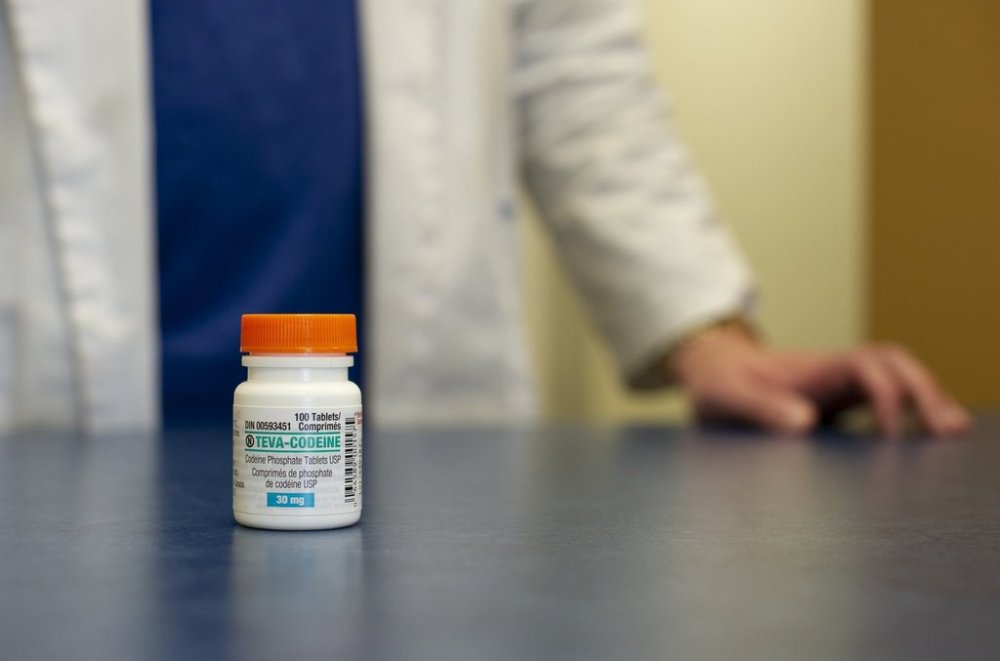
The federal agency’s notice said the shortage is caused by increased demand and manufacturing disruptions at some of Canada’s largest pharmaceutical companies.
Sadaf Faisal, senior director of professional affairs at the Canadian Pharmacists Association, says the manufacturer informed her Tuesday that a significant resupply is anticipated in mid-August. The prior projection was early August.
Faisal said supply constraints are expected to continue until the end of September.
“That’s where we will see a big shift,” Faisal said.
However, she said she doesn’t want people to panic.
“There are alternatives available for these medications,” Faisal said.
Shelita Dattani, senior vice president of pharmacy affairs and strategic engagement at Neighbourhood Pharmacy Association of Canada, said some pharmacies are capping supplies to 30 days to ensure there is enough for all patients.
Dattani, who also works as a pharmacist in Ottawa, said it’s important not to abruptly discontinue access to an opioid prescribed for pain because it could result in a patient going through withdrawal.
She says there are alternative medications, but going on a new opioid is not a simple switch. It also requires significant coordination between the patient, pharmacist and primary care physician.
“These are very nuanced medications that are there to treat serious conditions like pain that we certainly don’t want any practitioner, either the patient or physician or anyone, making a mistake that could result in bigger problems,” Dattani said.
This report by The Canadian Press was first published July 29, 2025.
Canadian Press health coverage receives support through a partnership with the Canadian Medical Association. CP is solely responsible for this content.