Age isn’t everything when deciding if a child is ready to be home alone
Advertisement
Read this article for free:
or
Already have an account? Log in here »
To continue reading, please subscribe:

Digital Subscription
One year of digital access for only $205*
- Enjoy unlimited reading on winnipegfreepress.com
- Read the E-Edition, our digital replica newspaper
- Access News Break, our award-winning app
- Play interactive puzzles
*First annual payment billed as $205.00 + GST for one year. This annual subscription will automatically renew at $233.00 + GST every 52 weeks (10% off the regular annual price of $259.35). Offer available to new and qualified returning subscribers only. Cancel any time.
To continue reading, please subscribe:
Add Free Press access to your Brandon Sun subscription for only an additional
$1 for the first 4 weeks*
- Enjoy unlimited reading on winnipegfreepress.com
- Read the E-Edition, our digital replica newspaper
- Access News Break, our award-winning app
- Play interactive puzzles
*Your next Brandon Sun subscription payment will increase by $1.00 and you will be charged $17.95 plus GST for four weeks. After four weeks, your payment will increase to $24.95 plus GST every four weeks.
Read unlimited articles for free today:
or
Already have an account? Log in here »
Hey there, time traveller!
This article was published 17/09/2025 (390 days ago), so information in it may no longer be current.
School is back in session, bringing new routines — and new milestones for students.
For some, this is the year they are allowed to go home to an empty house instead of an after-school program or day care. It’s a decision faced by many parents whose work or other obligations keep them from coming home until long past school release time.
With after-school care often expensive and hard to find, parents have reason to encourage independence. But how can they be sure their child is ready to navigate home on their own, even if only for an hour or two?
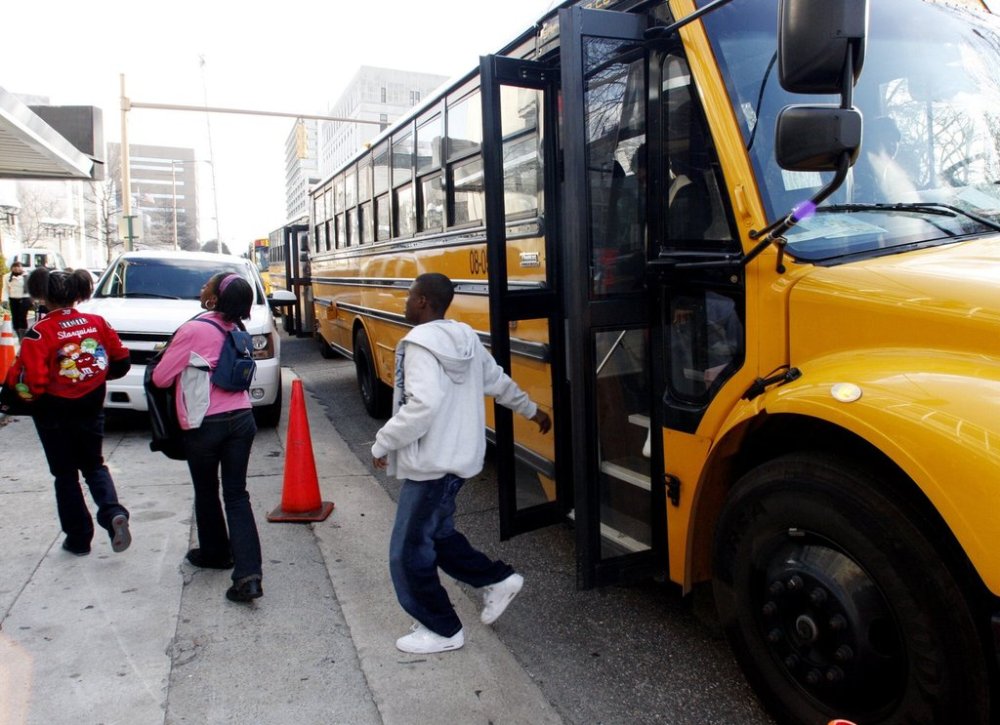
A handful of states have set age minimums. Maryland law, for example, makes it a crime to leave a child younger than 8 years old unattended.
But most states leave it up to parents and guardians. Experts say between 11 and 13 years old can be a good starting point, but stress there’s more to the equation than age. And they say what’s right for one child may not be for another, even within a family.
“It’s not a one-size-fits-all ordeal. And you really have to take it and understand the bigger picture,” said Jaesha Quarrels, director of child care services at Oklahoma Human Services. “Inadequate supervision is a key factor in many preventable childhood injuries and neglect cases.”
Here’s what experts say to consider when deciding whether a child is ready to be home alone:
Consider maturity and skills in addition to age
The American Academy of Pediatrics says most children are not ready to handle emergencies until about age 11 or 12, so the organization generally recommends structured supervision until then.
But it’s not that simple.
Parents often want a specific answer on how old their kids have to be, but age is only one of the factors to consider, said Brian Tessmer, director of treatment and operations at Family Resources, a nonprofit agency in Pittsburgh, Pennsylvania.
“We really strongly encourage parents to look at many other factors because kids, obviously mature at different rates.”
At minimum, children should be able to recite their full name, home address, phone number and the name of a parent, guardian or other emergency contact. They should also know how to reach that person, experts advise.
Other things to consider are whether a child can follow rules, handle routines and keep themselves occupied with homework, toys or electronic devices.
Can they dial the phone? Fix themselves a snack? Do they know where the bandages are if they need one? What if there’s a tornado warning, if they smell something burning or if a carbon monoxide detector goes off? Do they know how and when to dial 911?
They can do it. Do they want to?
Even having all that knowledge doesn’t mean a child is ready to get off the school bus at an unoccupied house, experts said. At a time of high anxiety for American children, there is also emotional readiness to consider.
“Oftentimes as parents, because it’s convenient — we’re busy, we have things that we have to do — we just kind of leave them alone,” Quarrels said. “But we need to consider how the child feels. Are they confident? Can they handle loneliness, fear or boredom?”
Communication is key, Tessmer said.
“It’s a great opportunity to explain to the child that this is a milestone that we’re coming up to as a family, and we’re exploring this opportunity because we do feel like you are getting to a point where you’re ready for this type of trust. We have confidence in you,” he said.
A child home alone should have no doubts about what they’re allowed to do, and even more importantly, not allowed to do, experts said.
Stoves and ovens should be off limits, as well as matches, candles and lighters. Children should be instructed to stay inside, not open the door to anyone unless they’ve been told in advance, and to never reveal that they’re alone on social media, gaming apps or to callers.
“Make sure your house rules are visible and reviewed frequently,” said Quarrels, who recommended having prepackaged snacks or meals handy.
Practice, start slowly and take advantage of technology
To further reduce anxiety, Quarrels recommends role-playing scenarios like handling a doorbell and dialing 911.
And start small, she said. Parents can test the waters by leaving a child inside while they’re in the backyard or taking a walk around the block, she said.
Smartphones and the availability of home security systems that enable real-time monitoring and communication can also put children, and parents, at ease.
“Always check in on a regular basis with your child if you’re going to be gone longer than 15 to 30 minutes,” Tessmer said. “Fortunately, in this age with cellphones and tablets it can be pretty easy. You can have your kids text, you can schedule a quick call, Facetime, send photos to each other to ease any anxieties.”
___
The Associated Press’ education coverage receives financial support from multiple private foundations. AP is solely responsible for all content. Find AP’s standards for working with philanthropies, a list of supporters and funded coverage areas at AP.org.