‘Frustrating’: Veterinarians urge regulatory changes as medicine shortages mount
Advertisement
Read this article for free:
or
Already have an account? Log in here »
To continue reading, please subscribe:

Digital Subscription
One year of digital access for only $205*
- Enjoy unlimited reading on winnipegfreepress.com
- Read the E-Edition, our digital replica newspaper
- Access News Break, our award-winning app
- Play interactive puzzles
*First annual payment billed as $205.00 + GST for one year. This annual subscription will automatically renew at $233.00 + GST every 52 weeks (10% off the regular annual price of $259.35). Offer available to new and qualified returning subscribers only. Cancel any time.
To continue reading, please subscribe:
Add Free Press access to your Brandon Sun subscription for only an additional
$1 for the first 4 weeks*
- Enjoy unlimited reading on winnipegfreepress.com
- Read the E-Edition, our digital replica newspaper
- Access News Break, our award-winning app
- Play interactive puzzles
*Your next Brandon Sun subscription payment will increase by $1.00 and you will be charged $17.95 plus GST for four weeks. After four weeks, your payment will increase to $24.95 plus GST every four weeks.
Read unlimited articles for free today:
or
Already have an account? Log in here »
Hey there, time traveller!
This article was published 27/11/2025 (299 days ago), so information in it may no longer be current.
REGINA – Canadian veterinarians no longer have to access to 40 per cent of medications they once were able to use, a figure the head of the national association says is worrying.
Tracy Fisher, president of the Canadian Veterinary Medical Association, says drugs for animals — from cats and dogs to sheep and cattle — are becoming increasingly unavailable.
She says Canadian regulations discourage drug manufacturers from going through the process to get their medications approved for distribution, even though the medicines are available in other countries.
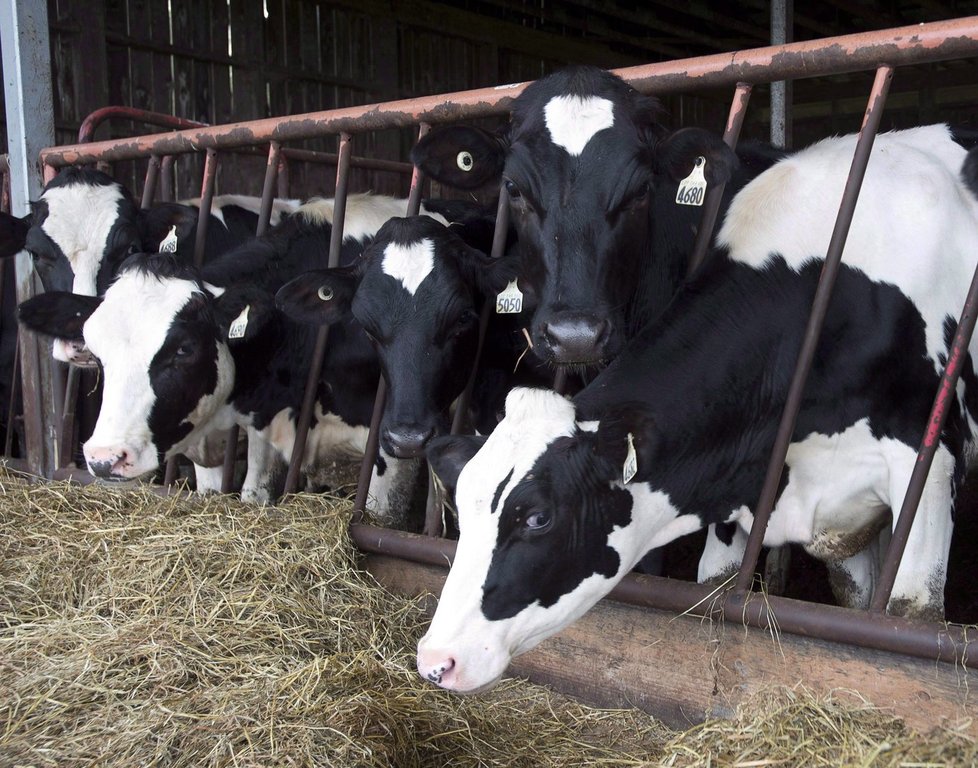
Animal welfare issues arise when veterinarians have fewer drugs at their disposal, she adds.
“If you have an animal suffering from a disease and you can’t treat it, but your colleagues across the border or everywhere else can, that’s incredibly frustrating,” Fisher said in a recent interview.
A lack of medications can also affect the food system, she said. For example, a new drug to treat dairy cows may not be available in Canada, resulting in veterinarians using an older, less effective medication.
“(The cow) may not be able to be part of the milk supply system during that time,” Fisher said.
“Worst-case scenario, the farmer loses that cow. That impacts his bottom line. And every time that happens, things become more expensive for producers … that has to be passed to us.”
Registered veterinary technician Sawyer Daley said a key medicine to deal with lice in cattle is no longer available.
Daley, who works in southern Alberta, said she’s not sure why she can’t get the product, as it remains available in the United States.
“We’re losing access to products that are perfectly safe and ethical to use on animals,” she said this week in Regina at Canadian Western Agribition, Canada’s largest livestock show.
“It was a really great product, but because the regulations are different between the U.S. and Canada, it got stopped.”
Fisher said another medication to control urinary issues in dogs is also set to become unavailable.
“If that goes off the market, there are going to be a number of animals that it’ll be difficult to control that problem,” she said. “If you’re an owner of a fairly large dog that is leaking urine all over the house, that’s going to be a very serious problem for you.”
Fisher said the issue lies with regulatory changes Health Canada made in 2017.
She said the agency imposed new inspection standards that year, requiring manufacturing facilities in other countries to be inspected by Canadian officials.
Manufacturers don’t want to pay to have those inspections, she said, because Canada is a small market and they’ve already received approvals in other countries.
Since then, more drugs have become unavailable in Canada.
“We’ve lost 40 per cent of the medications that we used to have in the 1980s,” Fisher said.
Health Canada said in a statement that changes were made to increase oversight of animal health products. Canada’s small share of the global market can result in delays to access, it added.
“Health Canada continues to consult with industry stakeholders, veterinary professionals, and provincial (and) territorial partners to identify barriers and develop solutions,” it said.
The agency said it has also introduced new measures to bring products to market, including prioritizing reviews, allowing conditional approval and promoting talks between the drug industry, veterinarians and farmers.
“Health Canada will continue to build on this progress,” it said.
The veterinarian association is pressing Ottawa to collaborate with international regulators, including those in the United States and Europe, to streamline drug approvals.
Fisher said Canada should license products if they have been approved in two other reliable countries with strong safety regulations.
“(The drugs) already have the standards met in Europe, Great Britain and the U.S.” Fisher said. “Eliminate some of the red tape and bureaucratic processes that are holding up some of these things.”

Federal Agriculture Minister Heath MacDonald told reporters this week that he has met with veterinarians on the issue.
“We’re going to work hand in hand to see what we have to do,” he said in Regina.
Daley said more research employees with a veterinary background, including those with experience in livestock, are needed.
“I would like to see less bias in the policy and decision-making by better representation from (those) with large animal medicine,” she said.
This report by The Canadian Press was first published Nov. 27, 2025.