Here’s what to know about the unprecedented changes to child vaccine recommendations
Advertisement
Read this article for free:
or
Already have an account? Log in here »
To continue reading, please subscribe:

Digital Subscription
One year of digital access for only $205*
- Enjoy unlimited reading on winnipegfreepress.com
- Read the E-Edition, our digital replica newspaper
- Access News Break, our award-winning app
- Play interactive puzzles
*First annual payment billed as $205.00 + GST for one year. This annual subscription will automatically renew at $233.00 + GST every 52 weeks (10% off the regular annual price of $259.35). Offer available to new and qualified returning subscribers only. Cancel any time.
To continue reading, please subscribe:
Add Free Press access to your Brandon Sun subscription for only an additional
$1 for the first 4 weeks*
- Enjoy unlimited reading on winnipegfreepress.com
- Read the E-Edition, our digital replica newspaper
- Access News Break, our award-winning app
- Play interactive puzzles
*Your next Brandon Sun subscription payment will increase by $1.00 and you will be charged $17.95 plus GST for four weeks. After four weeks, your payment will increase to $24.95 plus GST every four weeks.
Read unlimited articles for free today:
or
Already have an account? Log in here »
Hey there, time traveller!
This article was published 05/01/2026 (256 days ago), so information in it may no longer be current.
WASHINGTON (AP) — U.S. health officials made broad changes to childhood vaccine recommendations Monday, alarming pediatricians and other medical experts who say they will sow confusion and undermine children’s health.
The overhaul is effective immediately, meaning that the U.S. Centers for Disease Control and Prevention will now recommend that all children get vaccinated against 11 diseases, down from 18 a year ago.
The changes comes as U.S. vaccination rates have been slipping and the share of children with exemptions has reached an all-time high, according to federal data. At the same time, rates of diseases that can be protected against with vaccines, such as measles and whooping cough, are rising.
Here’s what to know about the changes:
Here’s what federal vaccine recommendations have changed
Once broadly recommended, the federal government now only recommends protection against these diseases for certain children at high risk or based on individual doctor advice in what’s called “shared decision-making.”
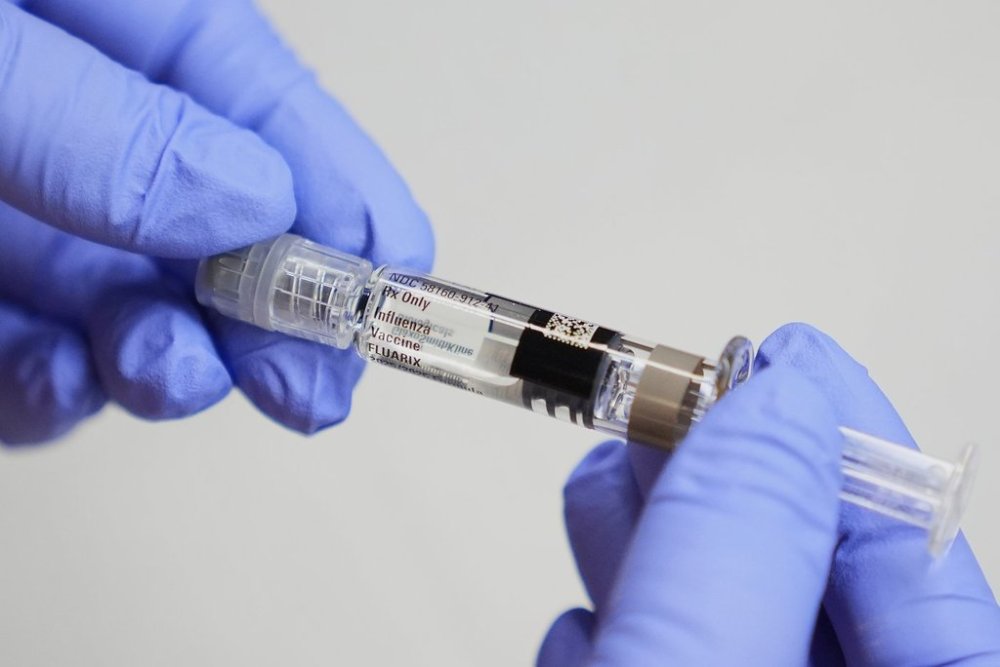
— Flu
— Hepatitis A
— Hepatitis B
— Meningococcal disease
— Rotavirus
— RSV
— COVID-19, a change made in 2025
Here’s what federal vaccine recommendations stayed the same
The following vaccines were left on the recommended-for-all list:
— Measles, mumps and rubella (MMR)
— Diphtheria, tetanus and pertussis or whooping cough (DTaP)
— Polio
— Chickenpox
— Human papillomavirus, or HPV. But in a surprise, the guidance reduces the number of recommended vaccine doses against HPV from two or three shots to just one.
— Hib, or Haemophilus influenzae type B, bacteria that despite the name isn’t related to flu
— PCV or pneumococcal conjugate vaccine
Why were the vaccine recommendations changed?
The U.S. Department of Health and Human Services said the overhaul was in response to a request from President Donald Trump in December. Trump asked the agency to review how peer nations approach vaccine recommendations and consider revising U.S. guidance accordingly.
HHS said its comparison to 20 peer nations found that the U.S. was an “outlier” in both the number of vaccinations and the number of doses it recommended to all children. Officials with the agency framed the change as a way to increase public trust by recommending only the most important vaccinations for children to receive.
However, many European countries recommend some of the vaccines the U.S. removed from its list.
What do doctors and pediatricians say?
The nation’s large doctors’ groups, including the American Medical Association and the American Academy of Pediatrics, say they will continue to recommend the vaccines that the Trump administration has now demoted. They said there was no new science that warranted the changes, including no signs that the former U.S. vaccine schedule harmed children.
Dr. Sean O’Leary of the AAP said the changes could increase child illness and death from preventable disease. He voiced special concern that the U.S. would no longer recommend flu vaccine for children, just as the flu season is becoming severe and after last winter’s particularly harsh season.
The pediatricians’ group has issued its own child vaccine recommendations. Also, states, not the federal government, have the authority to require vaccinations for schoolchildren. While CDC requirements often influence those state regulations, some states have begun creating their own alliances to counter the Trump administration’s guidance on vaccines.
What will change for families?
It’s not yet clear. Because of the countering recommendations from pediatricians, doctor visits may not change. However, medical specialists say when the U.S. government doesn’t explicitly recommend a shot, it will raise questions among parents, leading to more difficult conversations at the doctor’s office.
If the changes mean fewer children are vaccinated, outbreaks that have historically been prevented by high vaccination rates could spread more widely, leading to more disease and more missed school and work.
Will insurance continue to cover vaccines?
The Trump administration said coverage will continue for families that still want the shots. Health insurers generally find vaccination a good deal, as shots are cheaper than hospitalizations, and many had previously said they’d planned to cover what was recommended last year through 2026.
___
AP writers Ali Swenson and Mike Stobbe contributed to this report from New York.
___
The Associated Press Health and Science Department receives support from the Howard Hughes Medical Institute’s Department of Science Education and the Robert Wood Johnson Foundation. The AP is solely responsible for all content.