Thai coffee chains cut default sugar content in coffee and tea drinks in a new health push
Advertisement
Read this article for free:
or
Already have an account? Log in here »
To continue reading, please subscribe:

Digital Subscription
One year of digital access for only $205*
- Enjoy unlimited reading on winnipegfreepress.com
- Read the E-Edition, our digital replica newspaper
- Access News Break, our award-winning app
- Play interactive puzzles
*First annual payment billed as $205.00 + GST for one year. This annual subscription will automatically renew at $233.00 + GST every 52 weeks (10% off the regular annual price of $259.35). Offer available to new and qualified returning subscribers only. Cancel any time.
To continue reading, please subscribe:
Add Free Press access to your Brandon Sun subscription for only an additional
$1 for the first 4 weeks*
- Enjoy unlimited reading on winnipegfreepress.com
- Read the E-Edition, our digital replica newspaper
- Access News Break, our award-winning app
- Play interactive puzzles
*Your next Brandon Sun subscription payment will increase by $1.00 and you will be charged $17.95 plus GST for four weeks. After four weeks, your payment will increase to $24.95 plus GST every four weeks.
Read unlimited articles for free today:
or
Already have an account? Log in here »
Hey there, time traveller!
This article was published 11/02/2026 (217 days ago), so information in it may no longer be current.
BANGKOK (AP) — For many Thais, a meal doesn’t feel complete without an iced coffee or tea so sugary it could pass for dessert. The government, concerned about the health consequences, wants them to dial it back.
Starting Wednesday, nine major coffee chains across the country have pledged to cut the default sugar content in some of their drinks by half in a government initiative aimed at tackling excessive sugar consumption.
According to the Health Department, Thais consume an average of 21 teaspoons of sugar per day, more than three times the World Health Organization’s recommended limit of six teaspoons. Health officials warn that such high intake increases the risk of obesity, diabetes and other diseases.
The initiative is the first significant step to change consumers’ sugar consumption behavior, said Amporn Benjaponpitak, the director general of the department.
Pakorn Tungkasereerak, the department’s deputy, said 2025 data show that about 45% of Thais aged 15 and older are obese, while 10% of the population has diabetes.
A survey by the Bureau of Nutrition found that a 22-ounce (650-milliliter) iced coffee contains an average of nine teaspoons of sugar, while a 10-ounce (300-milliliter) serving of bubble milk tea — an iced milk tea with tapioca pearls known as boba — can contain as much as 12 teaspoons.

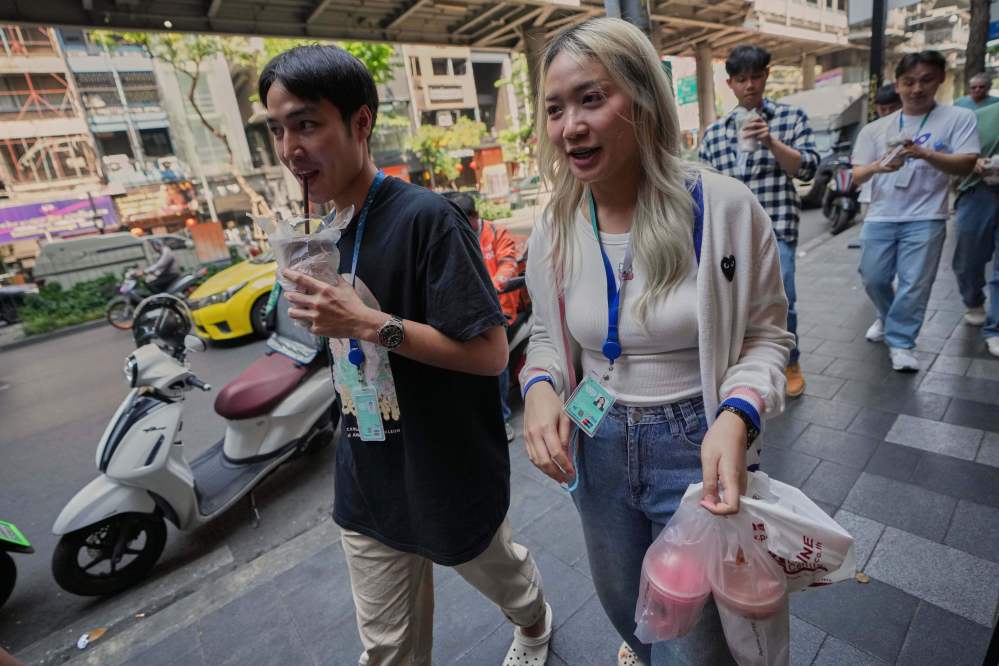
Sirinya Kuiklang, an office worker, said she approves of the changes. She already orders her drinks at just 25% of the standard sugar level, but she is aware that many others consume too much sugar.
“It’s good for Thai people,” she said.
Another office worker, Porwares Tantikanpanit, said he has enjoyed his non-coffee beverages at their current sugar levels but is willing to adjust if shops reduce the sweetness.
However, putting the policy into practice may prove challenging. Officials have said each brand can apply the initiative as they see fit.
Some customers have expressed confusion in response to social media posts promoting the initiative, asking how to order drinks with the level of sweetness that they prefer. Several brands said that the reduction applies only to certain menu items.