It’s all in the rice. The nuanced world of Japanese sake and how to pair it with food
Advertisement
Read this article for free:
or
Already have an account? Log in here »
To continue reading, please subscribe:

Digital Subscription
One year of digital access for only $205*
- Enjoy unlimited reading on winnipegfreepress.com
- Read the E-Edition, our digital replica newspaper
- Access News Break, our award-winning app
- Play interactive puzzles
*First annual payment billed as $205.00 + GST for one year. This annual subscription will automatically renew at $233.00 + GST every 52 weeks (10% off the regular annual price of $259.35). Offer available to new and qualified returning subscribers only. Cancel any time.
To continue reading, please subscribe:
Add Free Press access to your Brandon Sun subscription for only an additional
$1 for the first 4 weeks*
- Enjoy unlimited reading on winnipegfreepress.com
- Read the E-Edition, our digital replica newspaper
- Access News Break, our award-winning app
- Play interactive puzzles
*Your next Brandon Sun subscription payment will increase by $1.00 and you will be charged $17.95 plus GST for four weeks. After four weeks, your payment will increase to $24.95 plus GST every four weeks.
Read unlimited articles for free today:
or
Already have an account? Log in here »
Hey there, time traveller!
This article was published 18/03/2026 (199 days ago), so information in it may no longer be current.
If your experience with sake is limited to the warm cup at your local sushi spot, you’re missing the larger world of sake, which is as nuanced and layered as wine.
The traditional Japanese drink is brewed (not distilled) from rice, yeast, water and koji, a mold that converts the rice starch into sugar. Premium sakes might add some distilled alcohol. Sometimes other ingredients are added for flavor, but purists stick to the essentials.
“It’s quite incredible to think of the variation in flavor sake provides, given these constraints,” says Yoko Kumano, who with Kayoko Akabori owns the shop Umami Mart in Oakland, California. The pair has written a new book, “Everyday Sake.”
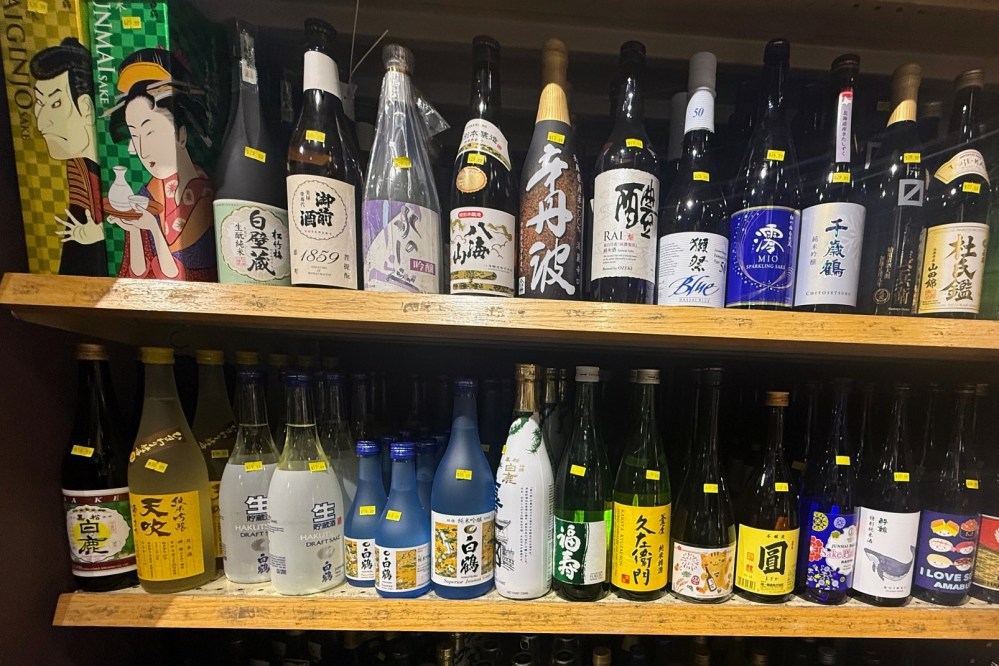
She also likes to remind people that sake is a food-pairing beverage.
“It is meant to be enjoyed with food — and not just sushi,” Kumano says. Umami Mart’s monthly sake club has tried pairings with cheese, pizza, French cuisine and more.
Every batch of sake — which in Japan is called nihonshu — is overseen by a toji, or master brewer, whose skill shapes the final flavor.
Here are some quick sake facts so you can sound savvy about it at a restaurant or wine store.
It begins with rice
The first step in making sake is rice polishing, or seimaibuai. Each grain’s outer layers are milled away to reveal its starchy center. The more polished the rice, the lighter and more refined the sake; the less polished, the earthier the flavor. Sake also varies based on whether distilled alcohol is added and how it’s filtered, stored and served.
The two main families of sake are Junmai and Honjozo. Within those, you have grades like Ginjo and Daiginjo, reflecting how much the rice has been polished.
Grade names are on the label, though not necessarily the polishing ratio.
Junmai
Means “pure rice,” with no distilled alcohol added. These sakes range from light to full-bodied, and often have more umami and structure than other sakes. Think earthy, rice-forward flavors that pair beautifully with grilled meats or heartier dishes. Junmai is often served warmed or at room temperature, highlighting its comforting depth of flavor.
Honjozo
Contains a touch of distilled alcohol, which lightens the texture and enhances aroma without significantly changing the alcohol content. Smooth and versatile, it pairs with everything from tempura to sushi to teriyaki.
Ginjo
More delicate, made with rice polished down to 60% of its original size and fermented at lower temperatures. A bit of distilled alcohol may be added to enhance aroma. The flavor is often floral and fruity. Ginjo is best served chilled, and pairs well with lighter dishes like sashimi, sushi, salads and delicate seafood.
Daiginjo
The most extensively milled sakes, with at least 50% of the outer rice layers removed. The result is aromatic, delicate and often considered the highest-quality sake. Expect a higher price tag.
Nigori
Coarsely filtered, leaving some rice sediment (kasu) behind, giving it a milky appearance and slightly sweet, creamy texture. Its sweetness pairs especially well with spicy dishes.
Sparkling Sake
In recent years, sparkling sakes — some naturally carbonated, some artificially — have become popular as a festive touch to many occasions.
Nama
Kumano says Nama (unpasteurized sake) has been growing more popular, and appeals to people who like fresh, young beverages like Beaujolais Nouveau or fruity wheat beer. Make sure it’s refrigerated both at the store and at home.
Creative additions
Hirohisa Hayashi, chef-owner and sake sommelier at Hirohisa restaurant in New York City, makes different versions of plum sake each year. He steeps Washington State-grown plums in low-alcohol sake, sometimes with shiso (a minty herb) and, this year, Okinawan brown sugar.
Serving and storage tips
Ultimately, whether sake is served warmed, chilled or at room temperature is subjective. “In general, classic dry junmai sake is often said to become softer and more approachable when (slightly) warmed. On the other hand, if you warm a fragrant daiginjo, its delicate aromas and refined character can be lost,” says Hayashi.
Sake is best consumed within a year of bottling. Store it in a cool, dark place. Once opened, refrigerate and enjoy within a week. Unpasteurized sake (nama) must be refrigerated and consumed within a few days.
Glassware
Traditional cups include small ochoko boxes, but wine glasses also work well.
Finally, take a cue from Japan: Pouring for others and refilling their glasses before they’re empty is an act of hospitality and attentiveness. And don’t forget to clink glasses and say “Kanpai” (“Cheers”) before you sip.
___
Katie Workman writes regularly about food for The Associated Press. She has written two cookbooks focused on family-friendly cooking, “Dinner Solved!” and “The Mom 100 Cookbook.” She blogs at https://themom100.com/. She can be reached at Katie@themom100.com.
___
For more AP food stories, go to https://apnews.com/hub/recipes