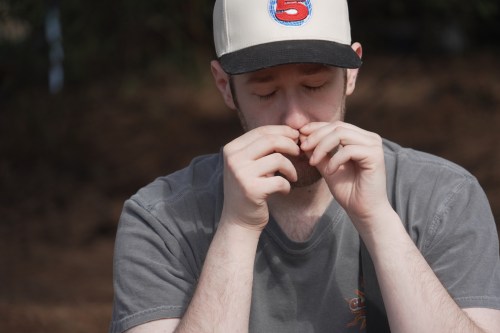
People ‘bathe’ in nature to get respite from chaotic news cycle
Advertisement
Read this article for free:
or
Already have an account? Log in here »
To continue reading, please subscribe:

Digital Subscription
One year of digital access for only $205*
- Enjoy unlimited reading on winnipegfreepress.com
- Read the E-Edition, our digital replica newspaper
- Access News Break, our award-winning app
- Play interactive puzzles
*First annual payment billed as $205.00 + GST for one year. This annual subscription will automatically renew at $233.00 + GST every 52 weeks (10% off the regular annual price of $259.35). Offer available to new and qualified returning subscribers only. Cancel any time.
To continue reading, please subscribe:
Add Free Press access to your Brandon Sun subscription for only an additional
$1 for the first 4 weeks*
- Enjoy unlimited reading on winnipegfreepress.com
- Read the E-Edition, our digital replica newspaper
- Access News Break, our award-winning app
- Play interactive puzzles
*Your next Brandon Sun subscription payment will increase by $1.00 and you will be charged $17.95 plus GST for four weeks. After four weeks, your payment will increase to $24.95 plus GST every four weeks.
Read unlimited articles for free today:
or
Already have an account? Log in here »
Hey there, time traveller!
This article was published 22/03/2026 (202 days ago), so information in it may no longer be current.
RALEIGH, N.C. (AP) — For two hours, Claire Jefferies wanted to get away from the war in Iran and the rising gas prices and just commune with nature. And, so, she treated herself to a little forest bathing.
“When I’m here, it’s almost like a protective bubble around me,” the human resources director said amid oaks and flowering magnolias at the JC Raulston Arboretum in Raleigh, North Carolina. “It provides a shield.”
The Sunday morning session was led by certified forest therapy guide Shawn Ramsey. Jingling a tiny brass bell, she called her dozen or so charges to gather for meditation, breathing exercises and to commune with nature.
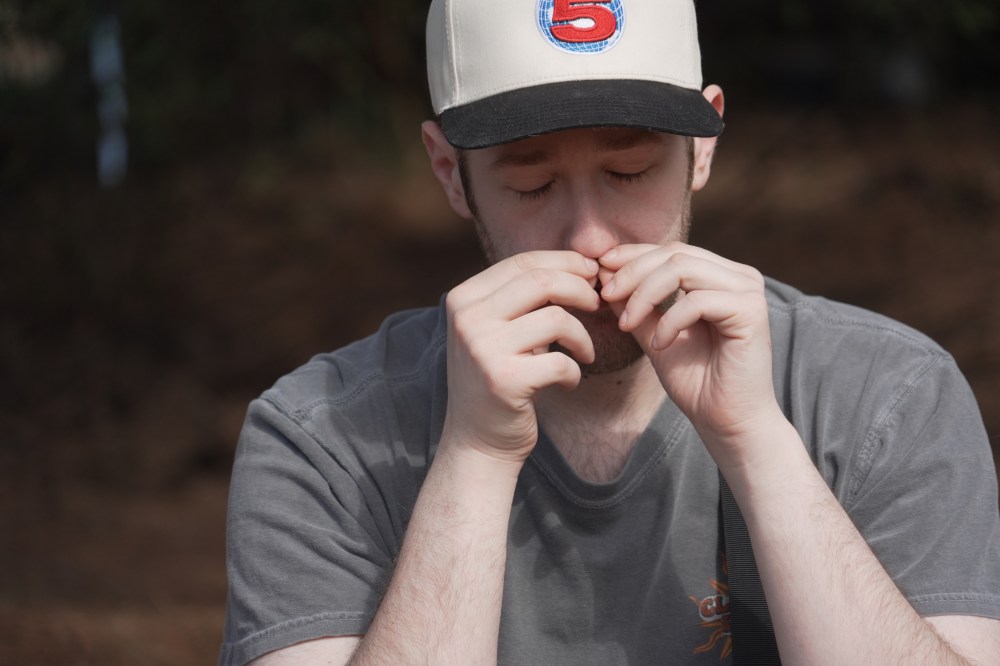
“I invite you to really spend the next 10 minutes just exploring this area,” she said, her own eyes closed. “Really focusing on your breath, on your footsteps. All the natural sounds around you. Maybe the manmade sounds, too. Thinking about the forest’s natural rhythm and how are part of that here in this urban, forested environment.”
Based on the Japanese wellness practice of Shinrin-yoku, the activity has been known to reduce stress, improve mood, lower blood pressure and boost the immune system.
Although the arboretum is in a busy section of a growing city, Ramsey said the benefits of tuning out and getting in touch with nature are the same. She led the group of about a dozen through the various gardens, having them crush conifer twigs between their fingers and smell them, or just touch trees.
“You know, in this day and age, there’s a lot of stress and anxiety and chaos,” she said. “And people are searching for ways to kind of cope with that.”
Transportation safety researcher Alan Mintz came with a friend. He had to be reminded to leave the talk of news at the entrance.
“I think it’s important for people to take the opportunity to exist in natural spaces, both to unwind and relax, so that it can be easier to interact with other people,” he said as he stood in the dappled light filtering through the trees. “And to take a moment to appreciate beautiful things. That way, hopefully, they can carry that forward and have more of an appreciation for other people and other cultures that they might be less experienced with.”
Jefferies had to remind a friend to stop talking about news as they walked beneath the gently waving canopy.,
“That focus back into spending time in nature and the healing power of that, and just remembering that we’re part of something bigger, that we’re all connected,” said the mother of a 9-year-old son. “And that what we do in our actions that we take really matter to the rest of the world. And so there’s no better place to see that than here, where you can see all of the interconnectedness and the ways that this plant life naturally supports one another. Doesn’t take more than they need.”
The Free Press acknowledges the financial support it receives from members of the city’s faith community, which makes our coverage of religion possible.