Ottawa raises catch limit for juvenile eels in the Maritimes, but complaints linger
Advertisement
Read this article for free:
or
Already have an account? Log in here »
To continue reading, please subscribe:

Digital Subscription
One year of digital access for only $205*
- Enjoy unlimited reading on winnipegfreepress.com
- Read the E-Edition, our digital replica newspaper
- Access News Break, our award-winning app
- Play interactive puzzles
*First annual payment billed as $205.00 + GST for one year. This annual subscription will automatically renew at $233.00 + GST every 52 weeks (10% off the regular annual price of $259.35). Offer available to new and qualified returning subscribers only. Cancel any time.
To continue reading, please subscribe:
Add Free Press access to your Brandon Sun subscription for only an additional
$1 for the first 4 weeks*
- Enjoy unlimited reading on winnipegfreepress.com
- Read the E-Edition, our digital replica newspaper
- Access News Break, our award-winning app
- Play interactive puzzles
*Your next Brandon Sun subscription payment will increase by $1.00 and you will be charged $17.95 plus GST for four weeks. After four weeks, your payment will increase to $24.95 plus GST every four weeks.
Read unlimited articles for free today:
or
Already have an account? Log in here »
Hey there, time traveller!
This article was published 25/03/2026 (184 days ago), so information in it may no longer be current.
HALIFAX – Ottawa has increased the allowable catch for juvenile eels by 22 per cent this year, citing evidence of a healthy population and the success of last year’s relatively peaceful season in Nova Scotia and New Brunswick.
The fishery for young American eels, known as elvers, was shut down in 2024 after illegal fishing driven by soaring prices led to violence and arrests on many rivers.
Last year, the federal Fisheries Department announced new possession and export regulations aimed at improving management of the fishery, which saw buyers paying as much as $5,000 per kilogram a few years ago.
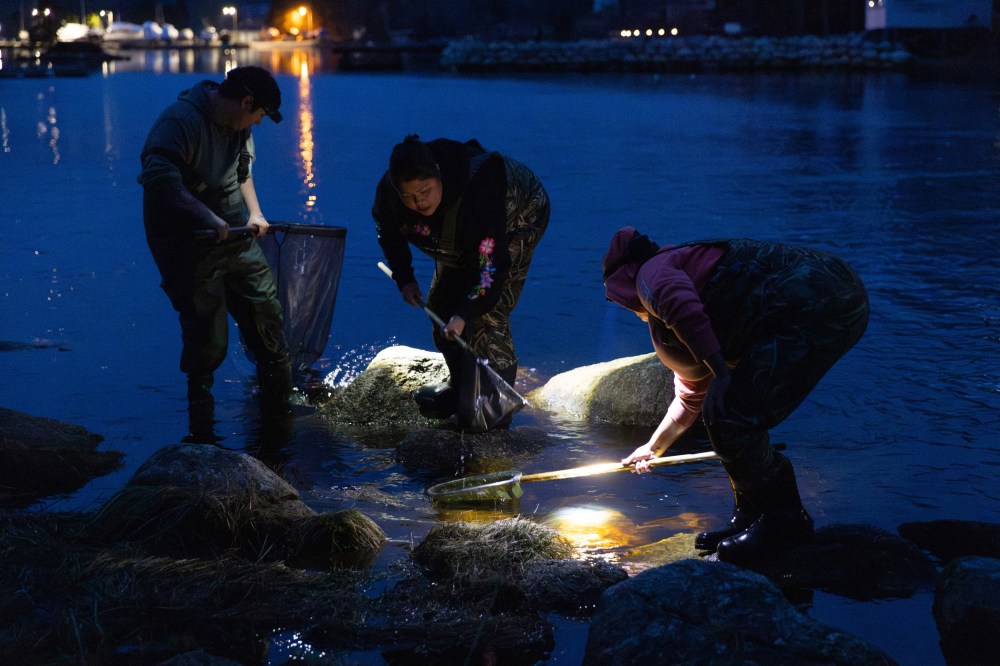
As well, Ottawa confirmed in 2025 that 50 per cent of the allowable catch would be redistributed from non-Indigenous commercial fishers to First Nations entering the fishery for the first time to seek a moderate livelihood.
The tiny, glass-like eels — less than 10 centimetres long — were selling for about $1,500 per kilogram last year.
When the season opens on April 1, the eels will be caught in nets and shipped live to Asia, where they will be raised in aquaculture facilities for food.
The 22 per cent quota increase, announced Wednesday during a virtual news conference, will raise the catch limit to 12,180 kilograms, an increase partly based on scientific data gleaned from one Nova Scotia river, the East River near Chester on the province’s southwest shore.
As well, a federal official said “electrofishing” is also used to monitor the eels, referring to a method that uses small electric shocks in the water to temporarily stun the eels so they can be counted.
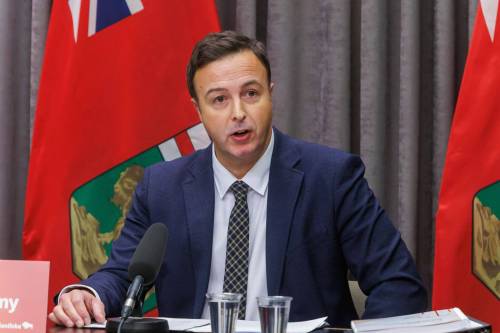
“In 2025, having implemented the new regulations … we did see a more orderly fishery than previous years,” said Jennifer Ford, the federal Fisheries Department’s director of resource management for the Maritimes.
“That does give us some confidence that as we go forward, we will likely see lower levels of unauthorized harvesting than we’d seen in some previous years as well.”
This year, about 55 per cent of the catch will be fished by 700 First Nations harvesters. Commercial fishers will be allowed to catch the remaining 45 per cent.
Meanwhile, some non-Indigenous commercial fishers have complained the system has been undermined by some First Nations unwilling to follow the rules.
“This raises questions about how reporting compliance, traceability and enforcement are being applied,” Stanley King, manager of Nova Scotia-based Atlantic Elver Fishery, said in an email.
“If the system lacks deterrents, it’s likely other licence-holders will also stop reporting and fishing within their assigned quotas.”
King has also accused the Fisheries Department of failing to properly deal with illegal fishing in general, an accusation the department has denied.
“Commercial fishers reported very low response rates to real-time reports of illegal fishing activity in 2025,” said King, who has sent video images to Ottawa allegedly showing illegal fishing.
Atlantic Elver Fishery was among the group of commercial licence-holders who lost half their quota to Indigenous fishers without compensation from the federal government.
Last May, some Mi’kmaq harvesters told The Canadian Press that their decision to work within Ottawa’s new regulations had helped calm the once-tense atmosphere on the tidal rivers that support elvers.

Still, a Fisheries Department official confirmed Wednesday that 65 people had been charged with offences related to elver fishing in 2025. As well, eight people were convicted or ticketed. And more than $23,000 in fines were handed out.
“Building on the increased compliance and order observed last year, fishery officers will continue to work with harvesters towards voluntary compliance with the Fisheries Act,” Noel d’Entremont, director of conservation and protection, told the virtual news conference.
As well, he said more fishery officers will be brought in this year to ensure compliance, as was the case in previous years.
“Even though we’re bringing in extra fishery officers across the region, we have hundreds of rivers that we’re responsible for,” d’Entremont said. “We try to respond to as many complaints as we get. The unfortunate part is we cannot be everywhere at all times.”
This report by The Canadian Press was first published March 25, 2026.