Ranch dressing: An American staple that actually began life on … a ranch
Advertisement
Read this article for free:
or
Already have an account? Log in here »
To continue reading, please subscribe:

Digital Subscription
One year of digital access for only $205*
- Enjoy unlimited reading on winnipegfreepress.com
- Read the E-Edition, our digital replica newspaper
- Access News Break, our award-winning app
- Play interactive puzzles
*First annual payment billed as $205.00 + GST for one year. This annual subscription will automatically renew at $233.00 + GST every 52 weeks (10% off the regular annual price of $259.35). Offer available to new and qualified returning subscribers only. Cancel any time.
To continue reading, please subscribe:
Add Free Press access to your Brandon Sun subscription for only an additional
$1 for the first 4 weeks*
- Enjoy unlimited reading on winnipegfreepress.com
- Read the E-Edition, our digital replica newspaper
- Access News Break, our award-winning app
- Play interactive puzzles
*Your next Brandon Sun subscription payment will increase by $1.00 and you will be charged $17.95 plus GST for four weeks. After four weeks, your payment will increase to $24.95 plus GST every four weeks.
Read unlimited articles for free today:
or
Already have an account? Log in here »
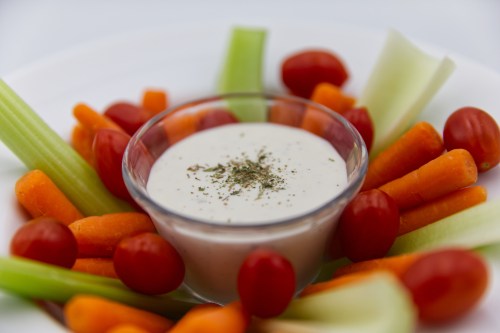
NASHVILLE, Tennessee (AP) — Ranch is the best-selling salad dressing in America, and it has been since it took the crown from Italian near the close of the 20th century.
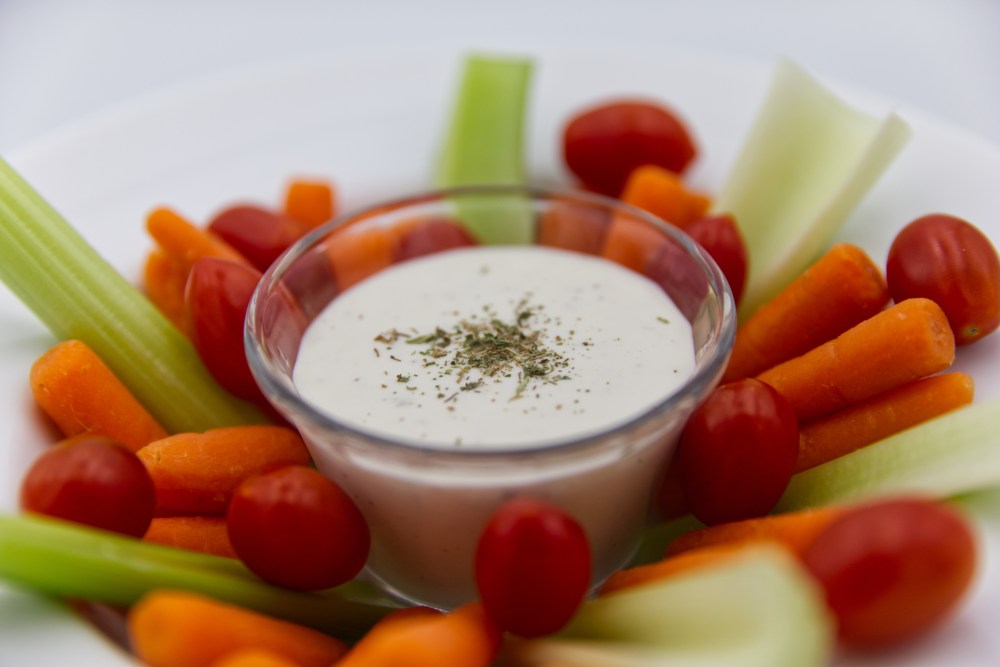
It’s still jazzing up iceberg and romaine. But ranch now competes with the likes of ketchup and other condiments, a creamy dip for everything from hot wings and fried pickles to — perhaps most controversially — pizza.
It’s ubiquitous, a versatile staple of American foodways easily found in grocery stores, recipes and on menus. There are entire cookbooks and a restaurant dedicated to the flavor.
Beloved and maligned, ranch also turns up in the country’s cultural intangibles. Writers have labeled it the “Great American Condiment,” and less flatteringly, “extravagant and trashy.” It carries a nostalgia, said Nick Higgins, an executive for Hidden Valley Ranch’s parent company, which taps into that sentimentalism and fosters the ranch fandom.
The viral food fights their product inspires? They embrace those, too. “We love it,” he said. “It’s one of the things we can debate as people and it’s OK.”
How ranch got to that mountaintop is an American story, a difficult feat that evokes the country’s entrepreneurial spirit.
“What started out almost as a lark became a multimillion-dollar industry,” the late Steve Henson explained in a Los Angeles Times piece about his famous dressing and Hidden Valley Ranch, the mail-order business he launched in the 1950s and sold to The Clorox Company two decades later.

As a plumbing contractor in Alaska, Henson first served it to workers. His herbs, spices, buttermilk and mayo concoction then became such a hit with guests at Hidden Valley, the dude ranch he and his wife opened in California, that he sold it as a DIY dry mix. Eventually, Clorox bottled a shelf-stable version, and competitors like Ken’s, Kraft Foods and Wish-Bone joined in.
Debbie Wilson Potts loves ranch. Her family owns Cold Spring Tavern in California, the first to serve Henson’s dressing outside of his dude ranch. Her late aunt, who knew Henson, once described her first taste: “It took off in my mouth like a freight train.”
It also took off across America. In his book “American Cuisine and How It Got This Way,” Paul Freedman lists ranch dressing alongside sushi, arugula and other food fads and fashions of the 1980s, the same decade that gave the country Cool Ranch Doritos. After 40 years of popularity, ranch, he said, is likely here to stay.
___
As AP’s religion news editor, Holly Meyer has years of experience documenting faith in American life. This story is part of a recurring series, “American Objects,” marking the 250th anniversary of the United States. For more stories on the anniversary, click here.