Making cut flowers last well beyond Mother’s Day
Advertisement
Read this article for free:
or
Already have an account? Log in here »
To continue reading, please subscribe:

Digital Subscription
One year of digital access for only $205*
- Enjoy unlimited reading on winnipegfreepress.com
- Read the E-Edition, our digital replica newspaper
- Access News Break, our award-winning app
- Play interactive puzzles
*First annual payment billed as $205.00 + GST for one year. This annual subscription will automatically renew at $233.00 + GST every 52 weeks (10% off the regular annual price of $259.35). Offer available to new and qualified returning subscribers only. Cancel any time.
To continue reading, please subscribe:
Add Free Press access to your Brandon Sun subscription for only an additional
$1 for the first 4 weeks*
- Enjoy unlimited reading on winnipegfreepress.com
- Read the E-Edition, our digital replica newspaper
- Access News Break, our award-winning app
- Play interactive puzzles
*Your next Brandon Sun subscription payment will increase by $1.00 and you will be charged $17.95 plus GST for four weeks. After four weeks, your payment will increase to $24.95 plus GST every four weeks.
Read unlimited articles for free today:
or
Already have an account? Log in here »
There’s nothing quite like receiving a fresh bouquet of cut flowers. They can cheer up a room, bring a bit of nature indoors and, if you’re lucky, release a heavenly fragrance.
But nothing kills that vibe quicker than stinky, slimy, wilted flowers poking out of a vase full of brown water.
Bacteria is one of the main causes of premature bouquet deaths. Its presence in vase water clogs stems and speeds up decay. Dehydration, either from a lack of water or a stem’s inability to absorb it, results in wilting. And exposure to ethylene gas exuded by neighboring decaying flowers or ripening fruit hastens aging.
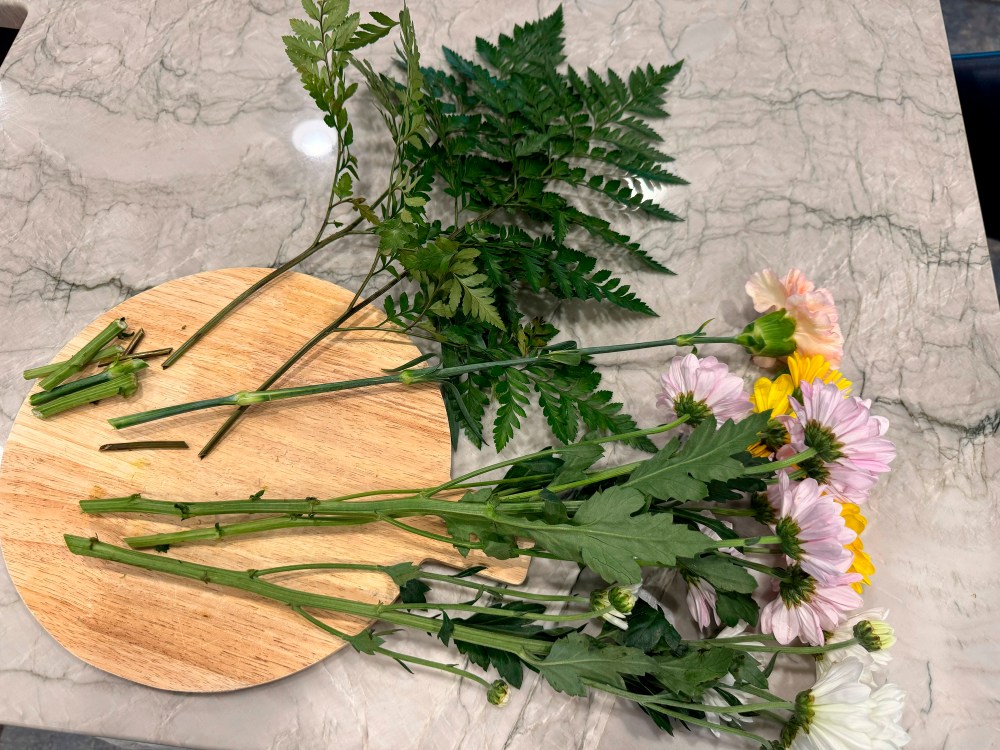
But with proper preparation and care, you can greatly increase the lifespan of your bouquets.
First, I’d like to put an end to some bad advice that’s been floating around: Despite what you might have read, smashing the cut ends of flower stems does not increase water uptake. In fact, it would destroy a portion of the stems’ vascular system, responsible for transporting water through the stem. It would also expose fresh plant tissue to water, which accelerates rotting. Don’t do it.
If you are cutting flowers from your garden, do so in the morning when stems are the most hydrated, then immediately place them into a container of water.
Regardless of whether your bouquets are picked or purchased, these tips will greatly improve their longevity.
1. Always start with a clean vase.
2. Remove any leaves that land below the container’s water line, or they will introduce bacteria as they rot.
3. Using a clean, sharp knife or garden pruners, trim 1-2 inches off the bottom of each stem at a 45-degree angle. This will maximize the surface area, allowing flowers to take up more water and preventing blockages that can result when stems lay flat against container bottoms. For woody stems, scrape a bit of bark away from the sides of angled cuts.
4. Add flower food. The little packet that comes with your bouquet contains sugar, citric acid and bleach, which lower the water’s pH and inhibit bacterial growth. Follow the dosing instructions on the packet; using too much can burn foliage and shorten the life of your flowers.
5. Add 1/4 cup of sugar-sweetened citrus soda or a tablespoon of vodka (or other clear spirit) as a booster. Soda helps keep water acidic and feeds flowers; vodka inhibits spoilage.
6. Keep flowers away from drafts, such as open windows, ceiling fans, forced-air heaters or air conditioning units, out of direct sunlight and away from fruit, which releases ethylene gas as it ripens.
7. Wash the vase, remove fading flowers and leaves, trim another one-quarter to one-half inch off stem bottoms and replace flower food and booster every other day.
8. There’s a reason florists store flowers in a refrigerated case. Just as it does food, refrigeration keeps flowers fresher longer. Tuck your bouquet into the fridge every night to slow the aging process.
___

Jessica Damiano writes regular gardening columns for the AP and publishes the award-winning Weekly Dirt Newsletter. You can sign up here for weekly gardening tips and advice.
___
This story was originally published on May 7, 2024.
___
For more AP gardening stories, go to https://apnews.com/hub/gardening.