RCMP cannabis raids won’t ‘hamper’ N.B. First Nations pot sale discussions: minister
Advertisement
Read this article for free:
or
Already have an account? Log in here »
To continue reading, please subscribe:

Digital Subscription
One year of digital access for only $205*
- Enjoy unlimited reading on winnipegfreepress.com
- Read the E-Edition, our digital replica newspaper
- Access News Break, our award-winning app
- Play interactive puzzles
*First annual payment billed as $205.00 + GST for one year. This annual subscription will automatically renew at $233.00 + GST every 52 weeks (10% off the regular annual price of $259.35). Offer available to new and qualified returning subscribers only. Cancel any time.
To continue reading, please subscribe:
Add Free Press access to your Brandon Sun subscription for only an additional
$1 for the first 4 weeks*
- Enjoy unlimited reading on winnipegfreepress.com
- Read the E-Edition, our digital replica newspaper
- Access News Break, our award-winning app
- Play interactive puzzles
*Your next Brandon Sun subscription payment will increase by $1.00 and you will be charged $17.95 plus GST for four weeks. After four weeks, your payment will increase to $24.95 plus GST every four weeks.
Read unlimited articles for free today:
or
Already have an account? Log in here »
FREDERICTON – New Brunswick’s Indigenous Affairs minister says he isn’t worried a recent series of raids by the RCMP in three different provinces will derail his negotiations with First Nations to improve controls over the sale of cannabis products.
The April 26 raids targeted what the RCMP described as a transnational organized crime network in Ontario, New Brunswick and Nova Scotia. It included a police search of an unlicensed warehouse in New Brunswick.
But the New Brunswick minister, Keith Chiasson — who had toured the warehouse in March, a few weeks before it was searched — said the provincial government has been negotiating with First Nations about cannabis sales for six months, and expects those talks to continue.

“This is not going to hamper any discussions between the provincial government and First Nations,” Chiasson told reporters in Fredericton.
“We’re going to continue down the same path and really try to find a framework that’s beneficial for all and that brings safe regulated products to people.”
Chiasson said he and Luke Randall, the minister responsible for Cannabis NB – the provincial Crown corporation that manages retail cannabis sales in New Brunswick – had visited the warehouse as part of a tour aimed at strengthening relationships with Madawaska First Nation.
The RCMP said the warehouse was raided along with other locations in the three provinces as part of a wider investigation involving organized crime, drug trafficking and money laundering, a police spokesperson told The Canadian Press on Thursday.
Mounties have not responded to follow up questions, citing the ongoing investigation and have not provided details about owners of the locations they targeted.
But the initial police comments about the raids appear to back up statements made in recent months by Nova Scotia government officials, who issued a directive last December for police to crack down on illegal cannabis shops, suggesting they were linked to organized crime.
Those assertions have prompted criticism from First Nations leaders who have accused the government of interfering with law enforcement to target Indigenous communities.
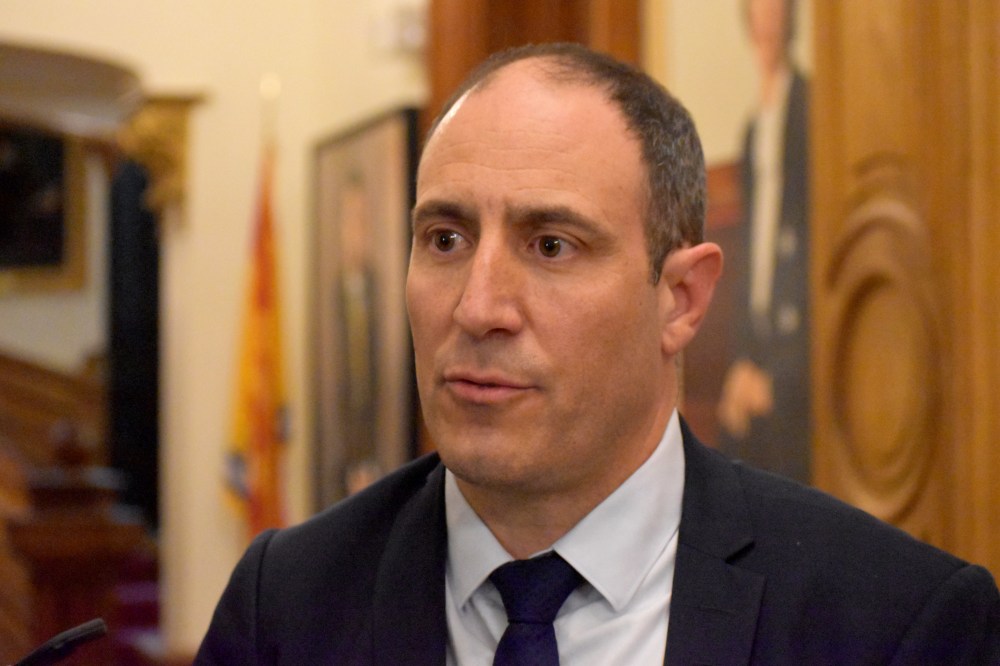
“If you give them a crack, they kick the door wide open,” said Nova Scotia Justice Minister Scott Armstrong in a Friday interview. He added police has his government’s full backing with the operation.
Police told The Canadian Press their operations included two locations in Lower Sackville and one in Maitland, but Armstrong said he couldn’t provide any further details due to the investigation.
The Mounties said related actions also occurred in Hamilton, Ont.
The April police operation comes after months of separate raids in Nova Scotia that sparked protests, including blockades that temporarily stopped or slowed down traffic on highways.
While the New Brunswick government has said it wants to pursue negotiations with Indigenous communities, First Nations leaders in Nova Scotia say Premier Tim Houston’s government has failed to engage in meaningful dialogue over cannabis regulations.
Some Nova Scotia Mi’kmaq leaders say they have a treaty right to grow and sell unregulated cannabis — and the government strongly disagrees.
Both Nova Scotia and New Brunswick have pot regulators that follow the federal Cannabis Act. The product is tested by a Health Canada-accredited laboratory for safety before hitting the shelves. But how consumers purchase cannabis is different.
While Cannabis NB is the exclusive wholesaler and primary retail brand, New Brunswick has licensed some independent storefronts operating under government oversight.

It’s stricter in Nova Scotia, where cannabis is sold exclusively through NSLC. Armstrong, the justice minister, said he wants to open NSLC stores on First Nations so pot can be sold safely.
“There are several in Nova Scotia that have expressed interest in this,” Armstrong said.
“We haven’t signed any deals as of yet, but we’re looking forward to continuing to have discussions with several bands and hopefully we’ll start to move in this direction.”
This report by The Canadian Press was first published May 8, 2026.
— With files from Lyndsay Armstrong.