World Cup to spur ‘short-lived bump’ from tourism spending: BMO
Advertisement
Read this article for free:
or
Already have an account? Log in here »
To continue reading, please subscribe:

Digital Subscription
One year of digital access for only $205*
- Enjoy unlimited reading on winnipegfreepress.com
- Read the E-Edition, our digital replica newspaper
- Access News Break, our award-winning app
- Play interactive puzzles
*First annual payment billed as $205.00 + GST for one year. This annual subscription will automatically renew at $233.00 + GST every 52 weeks (10% off the regular annual price of $259.35). Offer available to new and qualified returning subscribers only. Cancel any time.
To continue reading, please subscribe:
Add Free Press access to your Brandon Sun subscription for only an additional
$1 for the first 4 weeks*
- Enjoy unlimited reading on winnipegfreepress.com
- Read the E-Edition, our digital replica newspaper
- Access News Break, our award-winning app
- Play interactive puzzles
*Your next Brandon Sun subscription payment will increase by $1.00 and you will be charged $17.95 plus GST for four weeks. After four weeks, your payment will increase to $24.95 plus GST every four weeks.
Read unlimited articles for free today:
or
Already have an account? Log in here »
TORONTO – The 2026 FIFA World Cup is expected to spur a modest lift in gross domestic product in Canada, driven by tourism and hospitality spending, according to a new report from BMO Economics.
“The key point is there are real economic effects from a large sporting event or a large entertainment event like this,” said BMO chief economist Doug Porter in an interview.
“But I don’t think we should be under any illusion that it’s anything other than a short-lived bump from the increased spending, and it tends to be relatively modest.”
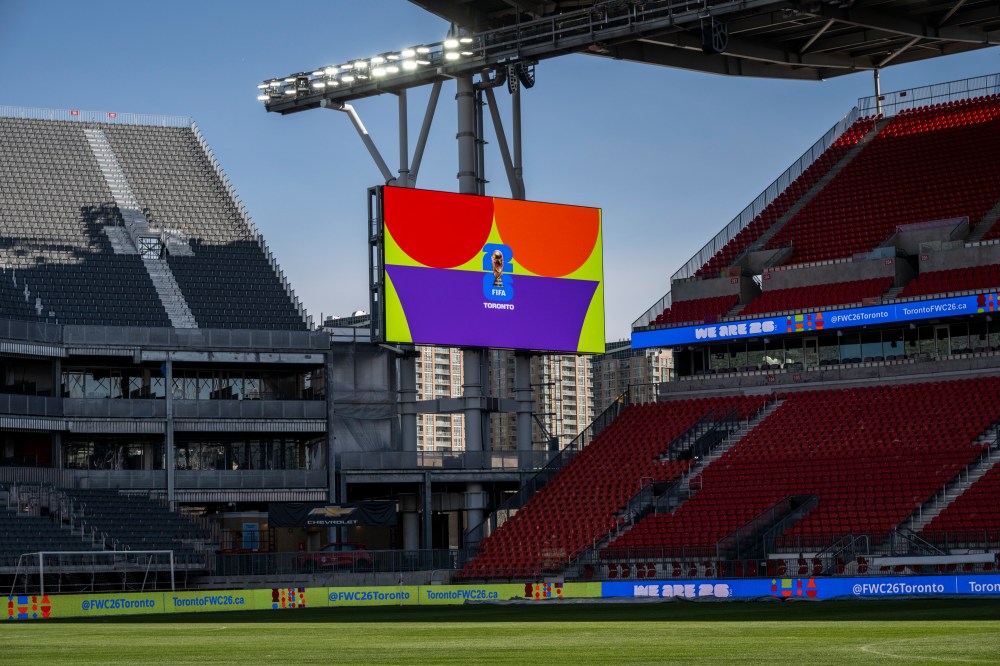
For the Canadian economy, the report said gains from tourism were estimated to come in at between $1 billion and $5 billion, while increased spending among residents is estimated between $500 million and $1.5 billion.
Those gains could translate into a lift to Canada’s quarterly GDP of about 0.1 percentage points annualized, the report said, split between the second and third quarters. The impact will be most pronounced in Ontario and British Columbia, where the games will be played.
Porter said any level of growth “would be welcome and would be helpful given the fact that the Canadian economy has really struggled to grow at all in the past year.”
“Even modest growth should be viewed as a win,” he said.
Last week, Statistics Canada said economic growth stalled in the first quarter, leading to a second consecutive decline in real GDP, which met some definitions for a technical recession.
With the tournament starting later this month, the report said the U.S. will benefit the most from tourism spending, but Canada and Mexico will also see gains.
Spending at bars and restaurants is expected to rise, the report said.
“However … only spending by international travellers can be considered a net benefit, since residents will be largely diverting money that would otherwise have been spent on other activities or at other times,” the report said.
Data from Moneris, released in 2023, found that bar and restaurant spending rose more than 10 per cent in Canada during the 2022 World Cup.
The BMO report said the strongest economic case for hosting the World Cup is for a short-term demand bump, but not as the foundation for longer-term growth.

Previously, World Cup organizers have touted the potential economic benefits of the event; FIFA estimated up to $940 million in economic output for the Greater Toronto Area, while the B.C. government last year said the event would generate more than a billion dollars in tourism in the five years after the games.
Last month, the federal budget watchdog said Canada will spend just over $1 billion to host the World Cup this summer.
That sum includes money from all levels of government. The federal government’s contribution is expected to be $473 million.
The $1.07-billion total equates to an average of $82 million spent per game for the 13 games that will be played in Toronto and Vancouver.
This report by The Canadian Press was first published June 1, 2026.
Related Articles
'His ascension was remarkable': Davies evolves from teen phenom to Canada's captain
Advertisement Advertise With Us
Advertisement Advertise With Us