Ottawa’s plan to recover weed-regulating costs with hefty fees catches industry off guard
Advertisement
Read this article for free:
or
Already have an account? Log in here »
To continue reading, please subscribe:

Digital Subscription
One year of digital access for only $205*
- Enjoy unlimited reading on winnipegfreepress.com
- Read the E-Edition, our digital replica newspaper
- Access News Break, our award-winning app
- Play interactive puzzles
*First annual payment billed as $205.00 + GST for one year. This annual subscription will automatically renew at $233.00 + GST every 52 weeks (10% off the regular annual price of $259.35). Offer available to new and qualified returning subscribers only. Cancel any time.
To continue reading, please subscribe:
Add Free Press access to your Brandon Sun subscription for only an additional
$1 for the first 4 weeks*
- Enjoy unlimited reading on winnipegfreepress.com
- Read the E-Edition, our digital replica newspaper
- Access News Break, our award-winning app
- Play interactive puzzles
*Your next Brandon Sun subscription payment will increase by $1.00 and you will be charged $17.95 plus GST for four weeks. After four weeks, your payment will increase to $24.95 plus GST every four weeks.
Read unlimited articles for free today:
or
Already have an account? Log in here »
Hey there, time traveller!
This article was published 12/07/2018 (3010 days ago), so information in it may no longer be current.
Ottawa has unveiled a new plan to cover the costs of regulating legal cannabis by having the industry foot the bill.
“Cost recovery is based on the principle that the public should not bear the costs of government activities in cases where private parties derive the primary benefit,” says a federal consultation paper released Thursday afternoon.
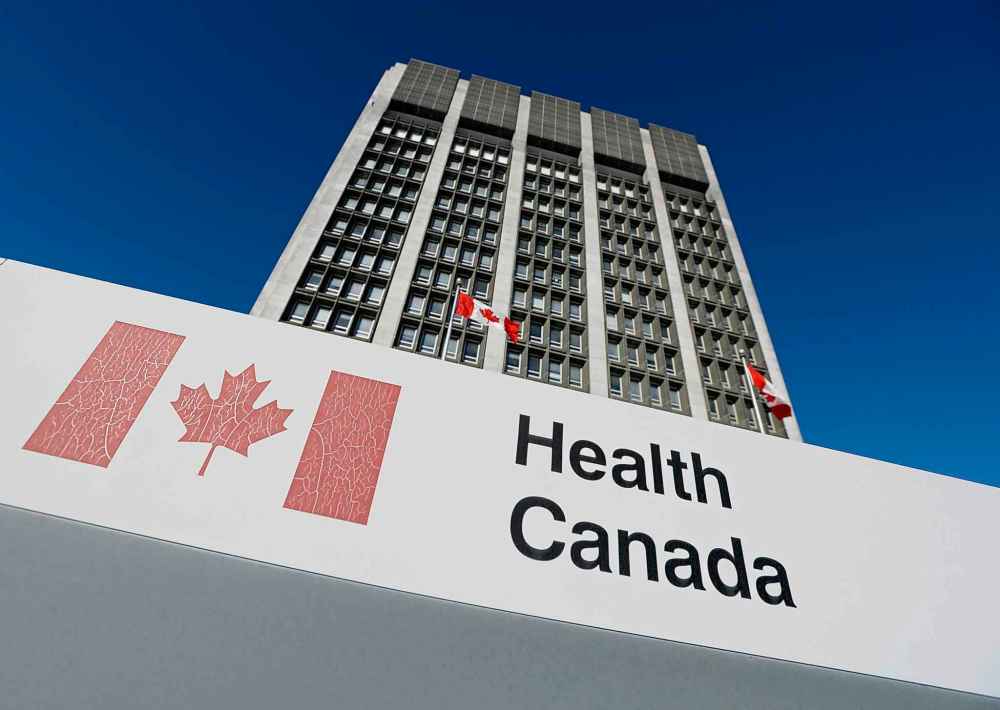
The proposed fees will cover costs borne by primarily by Health Canada, which expects to spend about $50 million a year regulating the recreational and medical cannabis industries, but also by the Canada Border Services Agency, the RCMP, Public Safety Canada and the Public Health Agency of Canada, the paper says.
Industrial hemp producers, analytical laboratories, researchers and medical users licensed to grow their own supply will be exempt from the fees, the paper says, along with those who hold licences to produce “health products containing cannabis,” including natural health products.
The proposed fees fall into four categories. Screening licence applicants will cost larger cultivators, processors and sellers $3,277. Smaller “micro” cultivators and processors will pay $1,638 per application, as will cannabis nurseries.
Permits for importing and exporting cannabis will cost $610 per request, and security-clearance screenings for key cannabis industry employees will cost $1,654.
Most significantly, licensed cannabis companies will pay an annual fee that “aims to minimize the overall administrative burden” of regulation. Those fees will be determined using formulas that consider both gross revenue and a company’s size.
For example, a company that holds a standard cannabis cultivation licence will pay 2.3 per cent of gross revenue or $23,000, whichever is greater.
A micro-cultivator with gross revenues of less than $1 million will pay the greater of one per cent of gross revenue or $2,500, while those earning more than $1 million in gross revenue would pay 2.3 per cent.
Licensed cannabis producers who grow, process and sell only to registered medical cannabis users will be spared from paying the annual fee.
Companies “will not be permitted to begin or continue operations until the fee has been paid in full,” the document says.
The consultation period will allow Canada’s legal cannabis industry to provide feedback on the proposed fees until Aug. 13. The document asks companies whether they feel the approach is fair and whether it will affect their competitiveness, as well as whether they believe the fees will “support the development of a diverse industry that includes small business.”
Timing ‘intensely problematic’
Players in the Canadian industry were “surprised by the timing of the consultation and proposal,” said Allan Rewak, executive director of the Cannabis Council of Canada trade association.
“Several multi-year supply agreements have already been signed between producers and (provincial) Crown wholesalers, and these didn’t include the very significant added costs for proponents.”
Cannabis companies and the federal government had previously discussed the topic of cost recovery, Rewak said.
“But at this late stage in the game, adding an additional tax measure of 2.3 per cent of revenues, over and above the 10 per cent excise tax, is something that we believe could hinder the ability of (licensed producers) to compete with the black market.”
Rewak said the association will start working with its members through the retail supply chain to figure out the exact cost impact of the proposed fees.
“But from an initial analysis of it, I believe that the most appropriate course would be to defer this proposal, and specifically the ongoing regulatory fees within the proposal — that 2.3 per cent of revenues — until the legal market’s established, so that we can secure some real data on what sales look like and really track our success in suppressing the black market, which is our shared goal.”

The industry isn’t opposed to the idea of regulatory cost recovery, he added.
“But from the timing of this proposal… when we’re just about to roll into an adult consumer-use marketplace, is intensely problematic,” he said.
The new fees were authorized by a clause in the federal government’s Cannabis Act, which was passed in June and will open the market for legal recreational marijuana sales to adults on Oct. 17.
solomon.israel@theleafnews.com
@sol_israel

Advertisement Advertise With Us
Advertisement Advertise With Us
History
Updated on Thursday, July 12, 2018 2:49 PM CDT: Fixed incorrect figure in quote.