

Revitalizing Indigenous housing with hemp
Entrepreneur sees hemp insulation as a way to help ease housing problems in Indigenous communities
Advertisement
Read this article for free:
or
Already have an account? Log in here »
To continue reading, please subscribe:
Monthly Digital Subscription
$0 for the first 4 weeks*
- Enjoy unlimited reading on winnipegfreepress.com
- Read the E-Edition, our digital replica newspaper
- Access News Break, our award-winning app
- Play interactive puzzles
*No charge for 4 weeks then price increases to the regular rate of $19.00 plus GST every four weeks. Offer available to new and qualified returning subscribers only. Cancel any time.
Monthly Digital Subscription
$4.75/week*
- Enjoy unlimited reading on winnipegfreepress.com
- Read the E-Edition, our digital replica newspaper
- Access News Break, our award-winning app
- Play interactive puzzles
*Billed as $19 plus GST every four weeks. Cancel any time.
To continue reading, please subscribe:
Add Free Press access to your Brandon Sun subscription for only an additional
$1 for the first 4 weeks*
*Your next subscription payment will increase by $1.00 and you will be charged $16.99 plus GST for four weeks. After four weeks, your payment will increase to $23.99 plus GST every four weeks.
Read unlimited articles for free today:
or
Already have an account? Log in here »
Hey there, time traveller!
This article was published 15/04/2019 (2433 days ago), so information in it may no longer be current.
A young Métis entrepreneur is betting that building insulation made of hemp could help solve ongoing housing problems in Indigenous communities across Canada.
Zaffia Laplante is founder and CEO of Hempergy Inc., and an undergraduate student at Wilfrid Laurier University in Waterloo, Ont. It was there that she started exploring her Indigenous heritage.
“So I saw that there was common themes coming up: overcrowding in housing, mould in housing, food insecurity and water issues,” says Laplante, a member of the Métis Nation of Ontario.
“Something needs to be done. It doesn’t matter if you’re Indigenous or not, everybody deserves the same basic needs.”
Around the same time, the federal Liberal government was elected with the promise of legalizing cannabis, which got Laplante thinking about industrial cannabis waste and what could be done with it.
Laplante learned that hemp hurd — fibrous fragments of inner hemp stalk — can be processed into insulation when mixed with limestone and water. She describes the resulting product as mould-proof, non-toxic, fire-resistant, biodegradable recyclable material that can absorb far more humidity than other kinds of sustainable insulation, such as straw bale.
“So instead of simply just absorbing the water and releasing it back, creating mould, the hurd fibres actually, with the limestone, absorb this water and maintain a healthy living temperature,” says Laplante.
“It’s very multi-use, it’s easy to recycle, it doesn’t require anything crazy to make and it’s a lot more lightweight.”
Laplante is currently the only employee at Hempergy, which is still in the development phase. But even as she builds ties with hemp farmers, engineers and green building companies, her idea is already getting attention. Laplante recently won the Youth Innovation Award from this year’s Active Citizens Youth Innovation Summit hosted by the United Nations in Canada and the British Council. She’s also been accepted into the RBC Entrepreneurial Accelerator Program.

Laplante has applied for and received an industrial hemp cultivation licence from the federal government, although she doesn’t expect to use it to grow hemp herself; instead, she anticipates sourcing it from existing hemp farmers. She hopes to have a working prototype of her product by the end of this summer, and start raising seed capital to grow the business.
When Hempergy products do eventually reach the market, though, Laplante sees Indigenous communities as more than just customers.
“We’d also like to incorporate them throughout the supply chain through employment opportunities, so expanding the co-operative development of hemp across Indigenous communities in Canada so they’re able to grow and process, harvest hemp itself, and then create their own products,” she says.
Laplante says her company is inspired by the calls to action from the Truth and Reconciliation Commission of Canada, in particular call to action number 92, Business and Reconciliation, which she calls Hempergy’s “foundational pillar.”

“Everything I do, and I focus on, and I want to do for the rest of my life is focused on making sure Indigenous peoples are contributing successfully to economic development opportunities, and that we’re engaging in free, informed prior consent.”
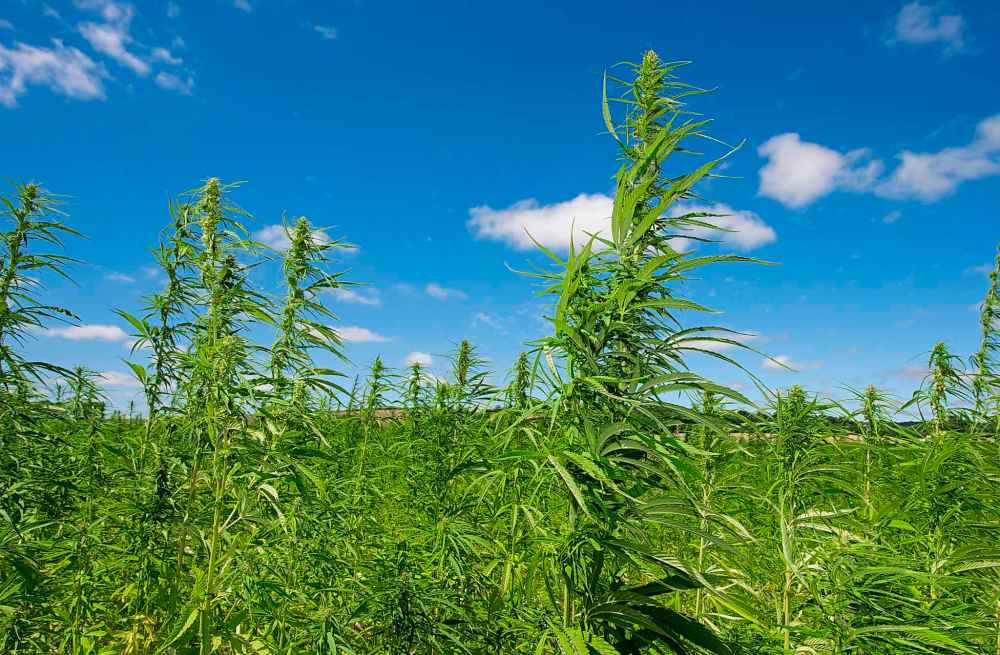
Hemp is a type of cannabis that’s been bred to contain almost no psychoactive THC. Hemp production is regulated by the federal government, which tracked more than 173,000 registered acres of hemp cultivation in Canada at the end of last year.
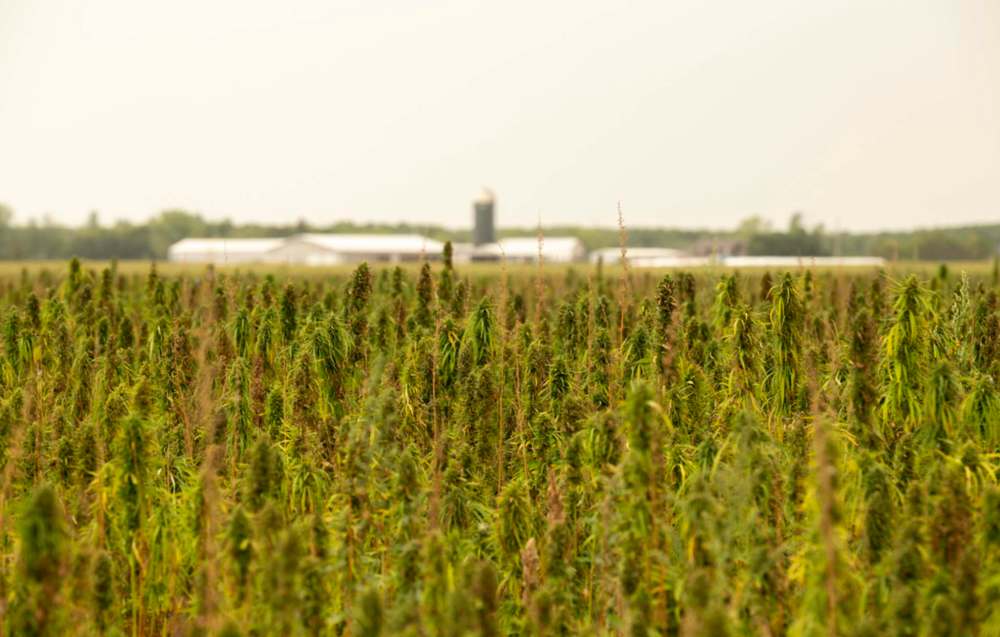
The tough, versatile plant is grown for its edible seed kernels and oil, as well as for industrial purposes such as fibre production and animal feed. New federal regulations that allow hemp farmers to harvest buds and leaves for their CBD content have sparked additional interest in the plant in Canada.
solomon.israel@theleafnews.com
@sol_israel