Christian pilgrims march through Jerusalem for Good Friday
Advertisement
Read this article for free:
or
Already have an account? Log in here »
To continue reading, please subscribe:

Digital Subscription
One year of digital access for only $205*
- Enjoy unlimited reading on winnipegfreepress.com
- Read the E-Edition, our digital replica newspaper
- Access News Break, our award-winning app
- Play interactive puzzles
*First annual payment billed as $205.00 + GST for one year. This annual subscription will automatically renew at $233.00 + GST every 52 weeks (10% off the regular annual price of $259.35). Offer available to new and qualified returning subscribers only. Cancel any time.
To continue reading, please subscribe:
Add Free Press access to your Brandon Sun subscription for only an additional
$1 for the first 4 weeks*
- Enjoy unlimited reading on winnipegfreepress.com
- Read the E-Edition, our digital replica newspaper
- Access News Break, our award-winning app
- Play interactive puzzles
*Your next Brandon Sun subscription payment will increase by $1.00 and you will be charged $17.95 plus GST for four weeks. After four weeks, your payment will increase to $24.95 plus GST every four weeks.
Read unlimited articles for free today:
or
Already have an account? Log in here »
Hey there, time traveller!
This article was published 19/04/2019 (2658 days ago), so information in it may no longer be current.
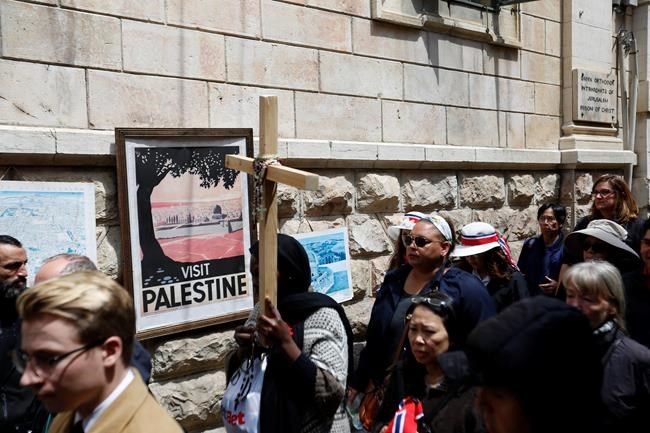
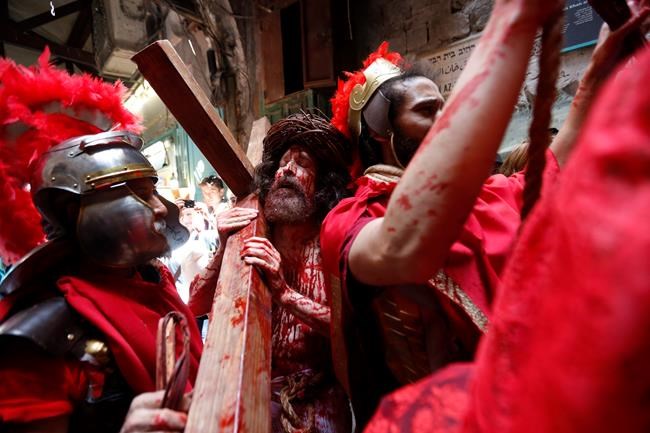
JERUSALEM – Thousands of Christian pilgrims and clergy members marched through the ancient stone alleys of Jerusalem’s Old City, retracing Jesus’ path to crucifixion in observation of Good Friday.
The faithful carried wooden crosses high on their shoulders and sang hymns to mark one of Christianity’s most solemn and sacred days.
The confluence of Good Friday and the Jewish holiday of Passover this year led to flocks of tourists and a festive atmosphere in the holy city.
Worshippers from all over the world marched slowly along the Via Dolorosa, the cobblestone path that cuts through the Old City, where tradition says Jesus bore the cross to his crucifixion. The pilgrims stopped at several points on the way, re-enacting symbolic moments from Jesus’ story.
The procession culminates at the Church of the Holy Sepulchre, where Catholic and Orthodox Christians believe Jesus was buried before his resurrection on what is celebrated as Easter Sunday.
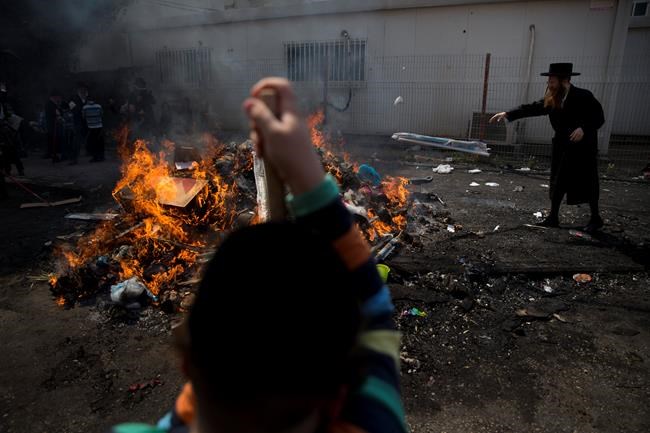
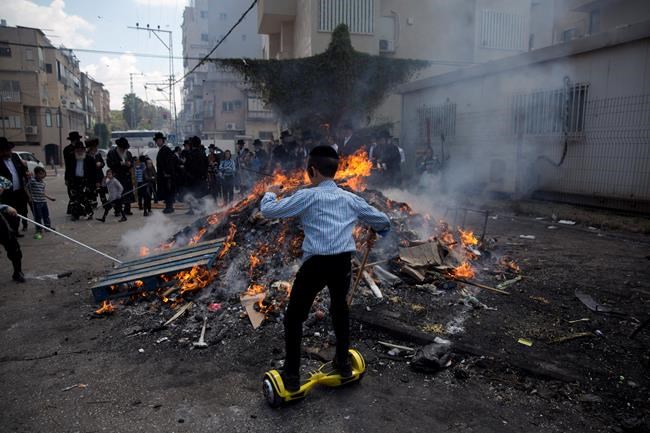
Meanwhile Friday, Jewish residents were rushing to complete their preparations for the ritual Seder dinner as the first night of Passover approached. In Jerusalem’s Mahane Yehuda outdoor market, a tumult of shoppers swarmed the stalls, filling their bags with ingredients for the holiday feast. Many observant Jews cleaned their homes of “chametz,” or leavened wheat, traditionally forbidden during the eight days of Passover to commemorate the Jews’ flight from slavery in Egypt, which, the story goes, didn’t allow time for dough to rise into bread. In religious neighbourhoods, controlled fires of burning chametz lit up sidewalks.
In the Old City, Israeli police said they detained 10 Jewish suspects with “intentions to cause public disturbances” by smuggling goats into Jerusalem’s most sensitive holy site for a ritual sacrifice. Police said they seized the goats and are questioning the suspects.
The site, revered by Jews as the Temple Mount and by Muslims as the Noble Sanctuary, is considered the holiest site in Judaism and third-holiest in Islam. Although Israel seized the holy plateau along with the rest of east Jerusalem in 1967, Muslim custodianship of the compound and a ban on Jewish prayer has long prevailed.
Such incidents occur every year ahead of Passover as zealots attempt to re-enact ancient animal sacrifices in the spot where the biblical Jewish Temple once stood.
At sundown, Jews gather around dinner tables to tell the story that celebrates their deliverance from slavery in Old Testament times. The Chabad-Lubavitch movement, one of the world’s largest Jewish religious organizations, has arranged Passover Seders in over 100 countries for Jews who seek them, even in some far-flung corners of the globe, such as Congo and rural Australia.