Doggy double standards
Public bans on animals are like banning family for many pet owners
Advertisement
Read this article for free:
or
Already have an account? Log in here »
To continue reading, please subscribe:

Digital Subscription
One year of digital access for only $205*
- Enjoy unlimited reading on winnipegfreepress.com
- Read the E-Edition, our digital replica newspaper
- Access News Break, our award-winning app
- Play interactive puzzles
*First annual payment billed as $205.00 + GST for one year. This annual subscription will automatically renew at $233.00 + GST every 52 weeks (10% off the regular annual price of $259.35). Offer available to new and qualified returning subscribers only. Cancel any time.
To continue reading, please subscribe:
Add Free Press access to your Brandon Sun subscription for only an additional
$1 for the first 4 weeks*
- Enjoy unlimited reading on winnipegfreepress.com
- Read the E-Edition, our digital replica newspaper
- Access News Break, our award-winning app
- Play interactive puzzles
*Your next Brandon Sun subscription payment will increase by $1.00 and you will be charged $17.95 plus GST for four weeks. After four weeks, your payment will increase to $24.95 plus GST every four weeks.
Read unlimited articles for free today:
or
Already have an account? Log in here »
Hey there, time traveller!
This article was published 15/08/2017 (3260 days ago), so information in it may no longer be current.
In her 2014 New Yorker essay Pets Allowed, author Patricia Marx explored the proliferation of fraudulent emotional support animals (ESAs). Marx began by asking why so many pets are allowed in places they “shouldn’t be,” followed by an image of the author in a drugstore with an alpaca at her side. By telling a therapist a made-up story about her childhood, Marx obtained ESA credentials to tote “five un-cuddly, non-nurturing animals” around New York City. She took a turtle into an art museum, a pig into an airport and a snake into a fancy boutique.
Marx smartly and humorously illustrated how easy it is to game the system, blaming the phenomenon on a lack of understanding and regulation around ESA laws combined with animal lovers who have no problem bypassing their own doctors and going online to buy ESA credentials, likening transgressors to able-bodied adults whose vehicles sport handicapped licence plates. Marx isn’t alone in her displeasure with pets being where they “shouldn’t be” — others have railed against dogs in stores, dogs in restaurants and dogs who have a high spot on their owners’ priority lists.
I have experienced anxiety and depression for years, and I’m one of the pet owners Marx’s piece and those who share her sentiments take aim at: I’m an unmarried, childless millennial whose dog is at the centre of her universe. When those inevitable days hit when getting out of bed is a battle, my dog Gus’ enthusiastic requests for food and a walk are sometimes the only things that motivate me to start the day. But even when I’m not in the middle of a bout of anxiety, I still often want him with me when I go out in public. And I’m not the only one. For me and millions of Americans, discrimination against pets in public spaces reflects an antiquated conception of the role pets can play in people’s lives.
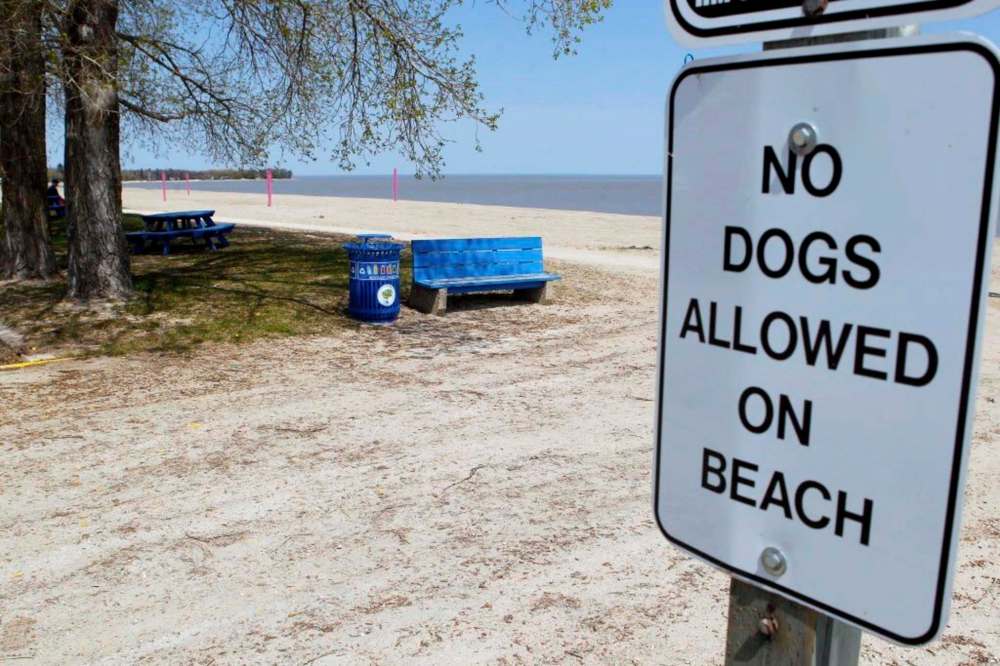
A 2015 study in the journal Science found that, when gazing into each other’s eyes, dogs and humans bond the same way humans do with each other. The connection was evinced in dogs by increased oxytocin levels after gazing and increased gazing after sniffing oxytocin.
The BBC explains that this chemically fuelled bonding is the same process that creates a connection between mothers and babies. “It’s an incredible finding that suggests that dogs have hijacked the human bonding system,” a Duke professor of evolutionary anthropology remarked at the time.
Meanwhile, another study on dogs conducted at the University of Cambridge in January found that “children reported more satisfaction and less conflict with their pets than with their siblings.”
In other words, the bonds between people and animals, especially dogs, can be just as significant — and in fact very similar to — those that we share with our own human family members. But that’s not all: recent shifts in living habits among millennials may also factor into why dogs mean more to us now than ever.
A 2016 Gallup poll found 59 per cent of millennials are single and have never been married and 60 per cent have no children under 18 living in their household, meaning the majority of the U.S.’s largest living generation (roughly 75.4 million people) are either putting off marriage and children or opting out entirely. Instead, they’re having pets.
A 2016 Washington Post article cites research from Mintel which found, among those surveyed, 71 per cent of millennial men and 62 per cent of millennial women own dogs. Thanks to a likely combination of delayed parenthood and more-flexible-than-ever work arrangements, “pets are becoming a replacement for children,” San Diego State University psychologist Jean Twenge told the Post.
Would a decent parent consider flying with their child caged in the cargo hold? Of course not. Yet buying seats for pets isn’t allowed, and in any number of public places where one might happily take a child, pets are banned except where ESA credentials are available. If people — especially young people — are increasingly relying on pets to serve as family members, it’s time to rethink how we integrate animals into our daily lives, especially considering current research on pet allergies suggests pet hair and dander are unavoidable thanks to transfer via clothing.
While having control of our pets and training them to be well behaved is essential, there are a variety of places that ban pets but allow children regardless of their behaviour, which can border on tyrannical (think of a toddler running and screaming through a restaurant, parents nowhere to be seen). While Cadillac strollers the size of a small car are allowed on public transportation, dogs larger than purse-size usually are not, which makes things like getting your dog to the vet in places like New York City a logistical nightmare.
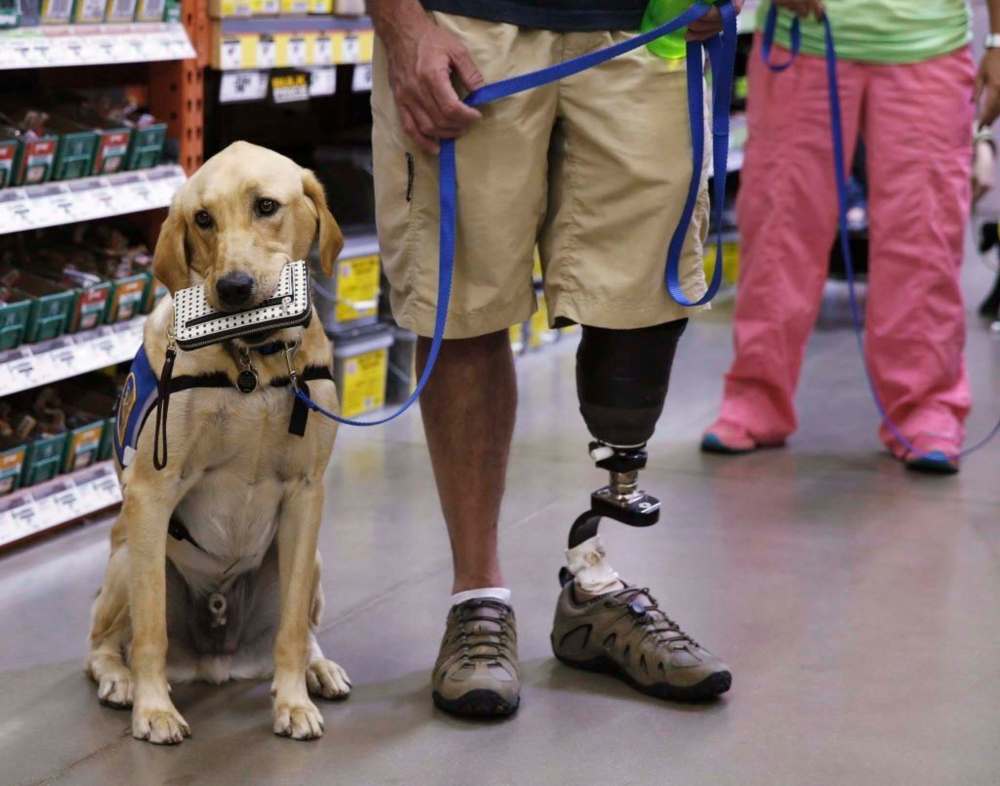
In bars and other places where pets don’t pose hazards to food safety, people should be able to spend time with their pets but often aren’t permitted to.
Renting should also be a more pet-friendly experience — refundable deposits are reasonable, but if landlords don’t charge toddlers rent, it seems unfair to charge pet rent, especially since toddlers and well-behaved pets pose similar risks to walls and floors. Likewise, the lack of pet-friendly hotels is also an issue, something that once drove the cost of a move across the country up by hundreds of dollars for me — a cost no parent would or should ever incur.
As Peter Singer explains in his book Animal Liberation, the rights of women was a notion so laughable in the 1700s that it was satirically likened to the equally audacious idea of animal rights. We now understand the former to be a gross misinterpretation of reality. What should the future hold for the latter?
— Washington Post
History
Updated on Tuesday, August 15, 2017 8:30 AM CDT: Adds photos