Birthplace of the resistance
St. Norbert church had key role in Métis uprising
Advertisement
Read this article for free:
or
Already have an account? Log in here »
To continue reading, please subscribe:

Digital Subscription
One year of digital access for only $205*
- Enjoy unlimited reading on winnipegfreepress.com
- Read the E-Edition, our digital replica newspaper
- Access News Break, our award-winning app
- Play interactive puzzles
*First annual payment billed as $205.00 + GST for one year. This annual subscription will automatically renew at $233.00 + GST every 52 weeks (10% off the regular annual price of $259.35). Offer available to new and qualified returning subscribers only. Cancel any time.
To continue reading, please subscribe:
Add Free Press access to your Brandon Sun subscription for only an additional
$1 for the first 4 weeks*
- Enjoy unlimited reading on winnipegfreepress.com
- Read the E-Edition, our digital replica newspaper
- Access News Break, our award-winning app
- Play interactive puzzles
*Your next Brandon Sun subscription payment will increase by $1.00 and you will be charged $17.95 plus GST for four weeks. After four weeks, your payment will increase to $24.95 plus GST every four weeks.
Read unlimited articles for free today:
or
Already have an account? Log in here »
Hey there, time traveller!
This article was published 09/11/2013 (4720 days ago), so information in it may no longer be current.
Not far from where two rivers meet sits a historic parish community that is often — and proudly — referred to as the place where Manitoba began.
The community of St. Norbert is teeming with storied treasures, legend, drama and history. Its monuments, church, chapel, streets, parks, monastery and more tell the story of one of Manitoba’s earliest Métis communities. It is a story that places the parish firmly at the centre of a larger story, the creation of the province of Manitoba.
The parish was founded in 1857. It came about, says parish member Roger Dubois, because it was an important trading point with the aboriginal people.
“There already was quite a large group of people around here since the early 1800s because of our fork where the Rivière La Salle ends up in the Rivière Rouge.”
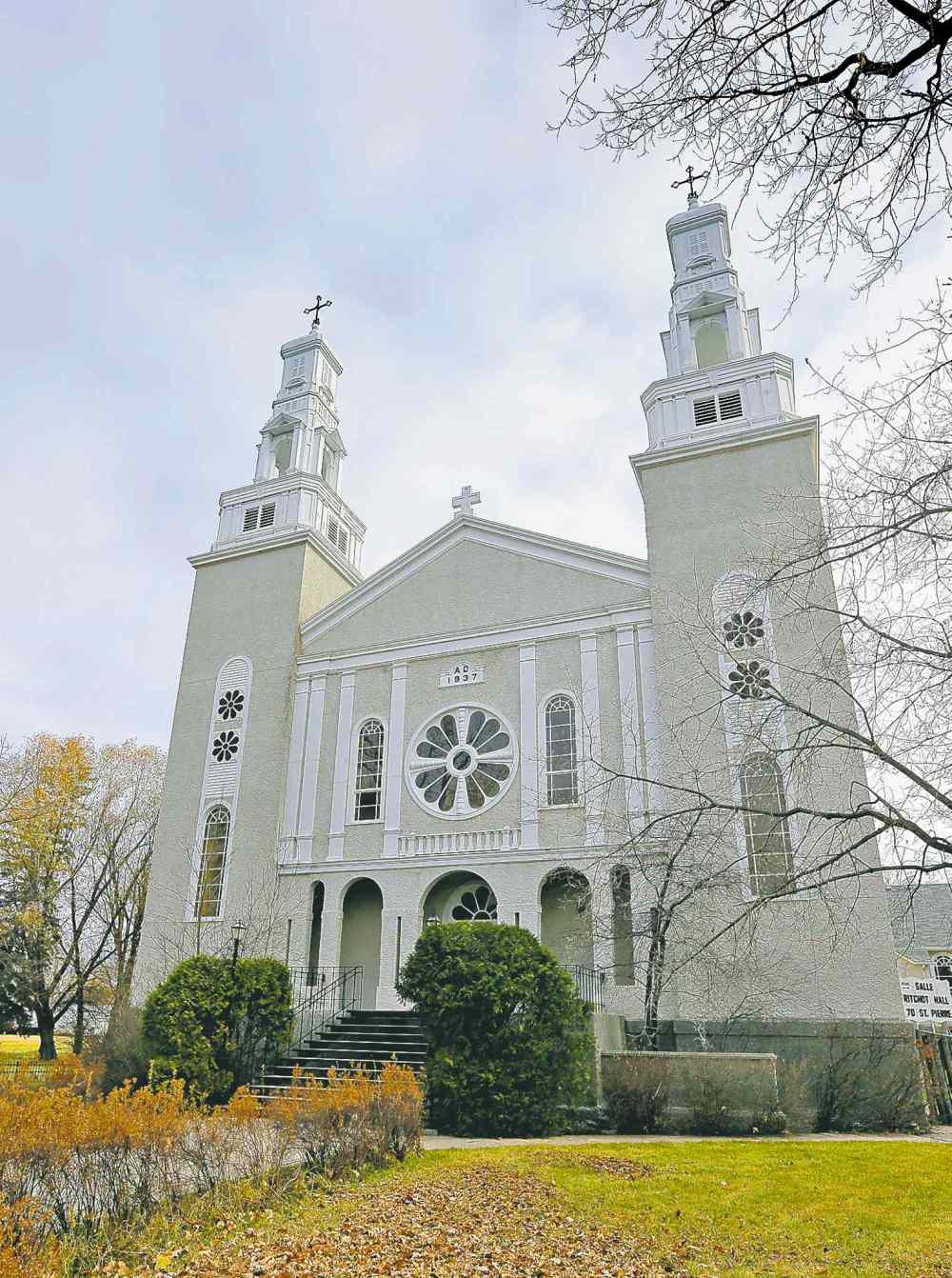
The first St. Norbert Church was a log building built on the banks of the Red River. A second, larger church was built there in 1883 but it burned down in 1929. The third and current church was built in 1937.
The Métis concern for future rights in 1869 put the community and its parish priest, Father Noel-Joseph Ritchot, at the centre of the resistance, which led to the creation of the province. It was in the original log church, at a public meeting, that the Métis formed the Comité National des Métis with Louis Riel as secretary.
The group set up a barrier across the Pembina Trail crossing on the La Salle River to keep out the Canadian faction.
A chapel, Notre Dame du Bon-Secours, was built, “after the events of La Barrière when a group of surveyors had been sent by (John A. Macdonald) to survey the land — even though Canada did not yet have title to the land, and had not talked to anybody here, because it seems they were simply deemed to be a bunch of savages,” says Dubois.
The tiny outdoor chapel, one of only a few remaining in Manitoba, was built by Ritchot and his parishioners in 1875 and dedicated to the Blessed Virgin Mary for the protection granted during the 1869-70 resistance.
Dubois leads the way through the large and beautiful church to reveal the original paintings done by Constantin Nicolas Tauffenbach that once lined the chapel ceiling.
Tauffenbach, who was born in France, moved to Manitoba in 1884 and is also known for his work on the altars of the Roman Catholic church in Lorette and portraits of Ritchot and Métis fur trader Pierre Falcon among others.
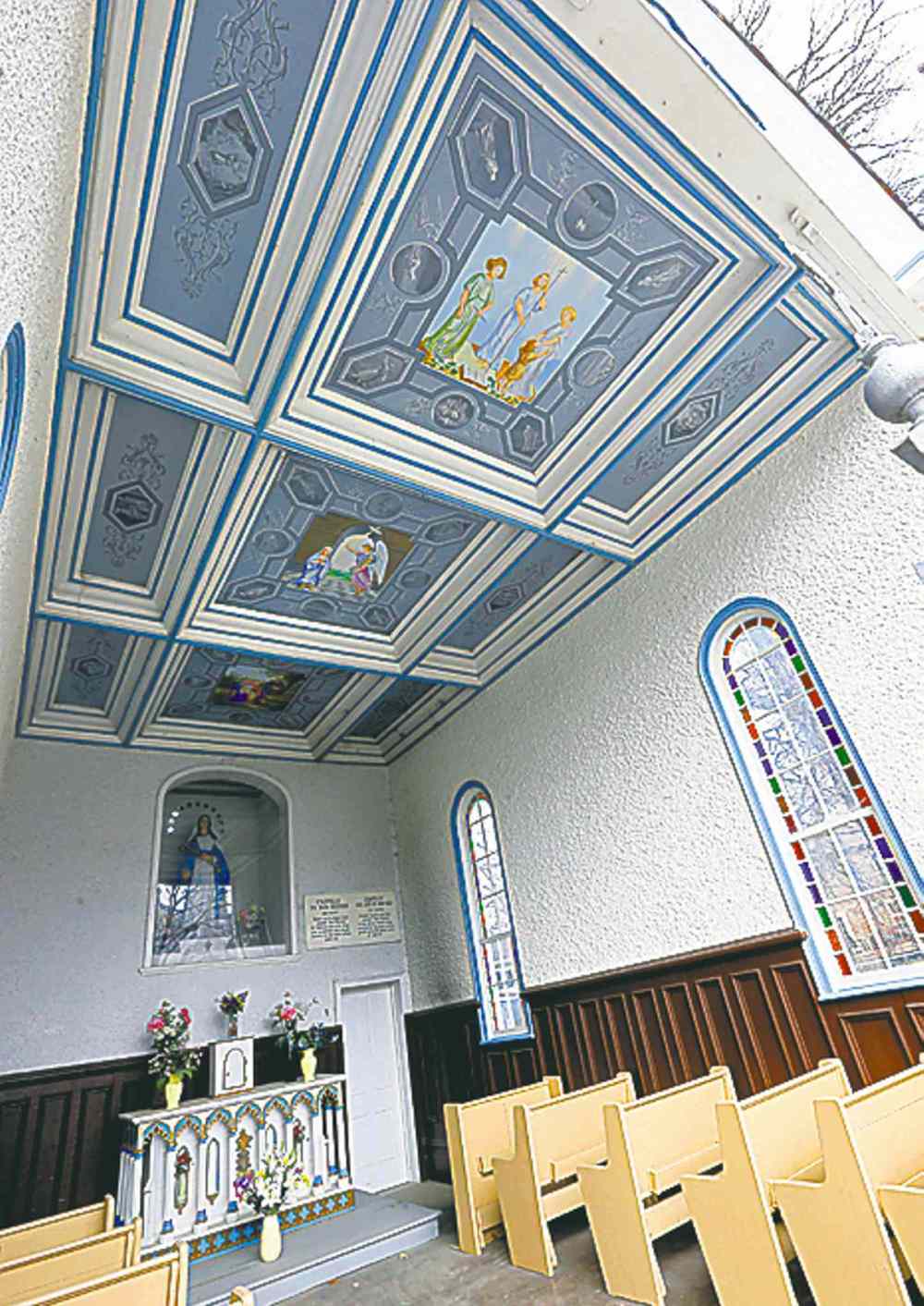

The paintings were deteriorating, says Dubois, and were redone by Saint-Geneviève artist Robert Freynet. It is those paintings that are in the present chapel.
Ritchot played a key role in the negotiations that led to Manitoba’s existence as a province. He also helped build a church, convent, rectory, chapel and orphanage and was responsible for the establishment of the nearby Trappist monastery, the ruins of which now grace a provincial heritage park.
To view the church, call: 204-223-5499.
If you’d like to see a place of worship or artist featured here, contact:
girard.cheryl@gmail.com
The Free Press is committed to covering faith in Manitoba through our Religion in the News project. This reporting continues because readers like you step forward to fund it.
Donate now to support our reporting on religion.
Your donation is eligible for a charitable tax receipt.
BECOME A FAITH JOURNALISM SUPPORTER
History
Updated on Saturday, November 9, 2013 10:11 AM CST: light editing
Updated on Saturday, November 9, 2013 1:00 PM CST: fixed photo cutline
The Free Press acknowledges the financial support it receives from members of the city’s faith community, which makes our coverage of religion possible.