Activists look back at three decades of denouncing violence

Advertisement
Read this article for free:
or
Already have an account? Log in here »
To continue reading, please subscribe:

Digital Subscription
One year of digital access for only $205*
- Enjoy unlimited reading on winnipegfreepress.com
- Read the E-Edition, our digital replica newspaper
- Access News Break, our award-winning app
- Play interactive puzzles
*First annual payment billed as $205.00 + GST for one year. This annual subscription will automatically renew at $233.00 + GST every 52 weeks (10% off the regular annual price of $259.35). Offer available to new and qualified returning subscribers only. Cancel any time.
To continue reading, please subscribe:
Add Free Press access to your Brandon Sun subscription for only an additional
$1 for the first 4 weeks*
- Enjoy unlimited reading on winnipegfreepress.com
- Read the E-Edition, our digital replica newspaper
- Access News Break, our award-winning app
- Play interactive puzzles
*Your next Brandon Sun subscription payment will increase by $1.00 and you will be charged $17.95 plus GST for four weeks. After four weeks, your payment will increase to $24.95 plus GST every four weeks.
Read unlimited articles for free today:
or
Already have an account? Log in here »
Hey there, time traveller!
This article was published 12/03/2016 (3840 days ago), so information in it may no longer be current.
After three decades of walks, toy inspections, concerts, education and lobbying efforts, a local ecumenical peace group is closing its doors and letting other groups pick up the pieces.
Project Peacemakers ceases operations at the end of May after working out of a second-floor office at Westminster United Church since 1983.
“It’s not a financial problem at all,” explains interim board chairman Shawn Kettner.
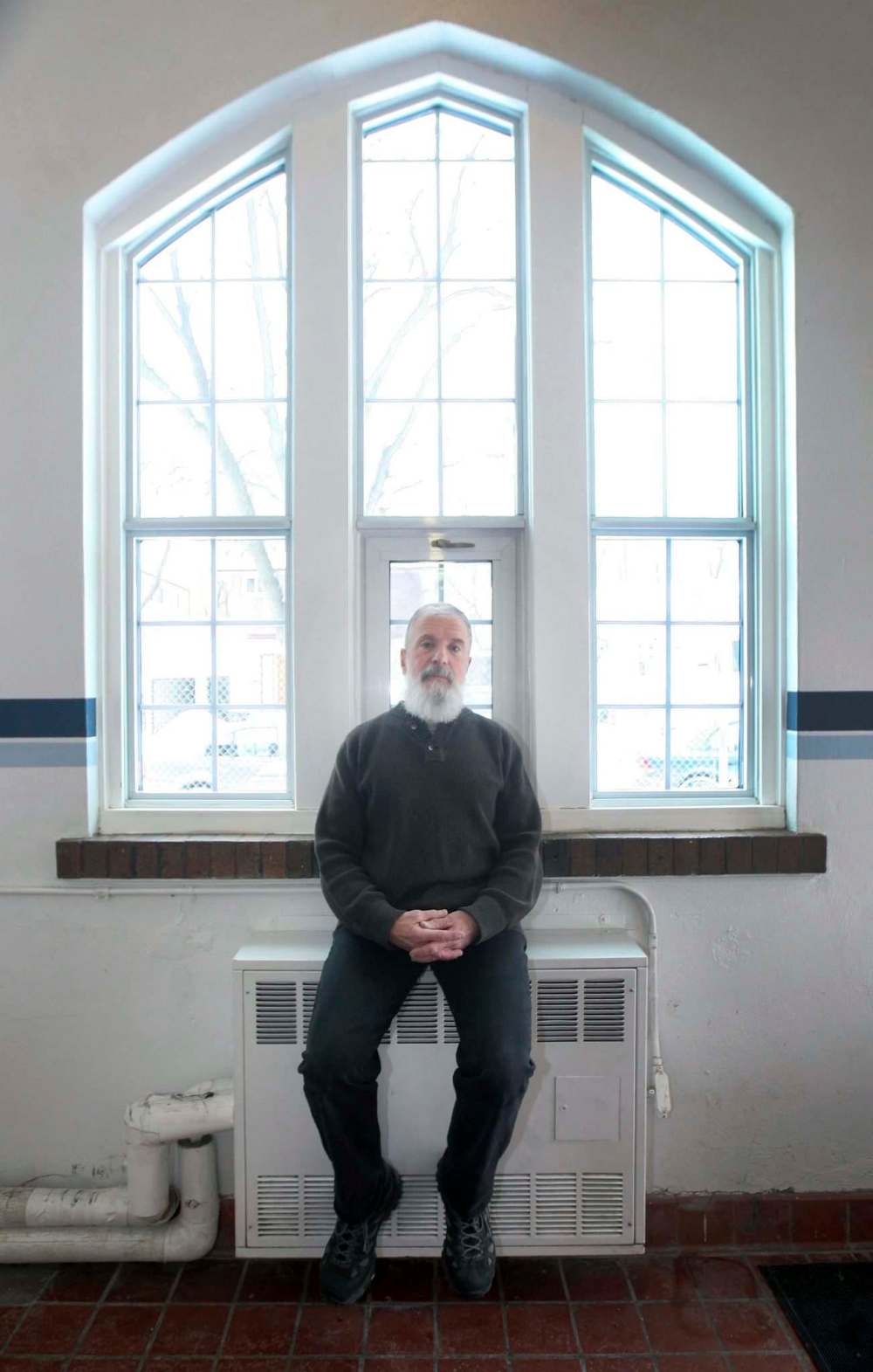
“They (the former board members) are all tired, and they were all ready to step down, and there were no young people to step in.”
Kettner says the interim board is concentrating on finding new homes for ongoing projects and programs, as well as archiving 33 years of files and resources.
One continuing program is their Many Voices One World project, where Kettner and storyteller Jamie Oliviero work with school-aged children to create stories and artwork on large fabric banners.
A final event to celebrate the work of Project Peacemakers is scheduled for May 7 at St. Paul’s Anglican Church.
In a February letter, the interim board suggests supporters send their donations instead to Peace Alliance Winnipeg, which will run the annual Peace Festival and Walk and the August Lanterns for Peace event.
Project Peacemakers was formed during the height of the Cold War after a dozen members of a local faith-based study and social-action group heard Australian physician Dr. Helen Caldicott speak in Winnipeg about the dangers of nuclear weapons and nuclear energy.
“We were taken aback and so scared,” recalls Beverley Ridd about the speech from Caldicott, who was the president of Physicians for Social Responsibility.
“We were all from different churches, and none of the churches were involved in peacemaking.”
Initially known as the Inter-Church Disarmament Project, the group pooled their money, found office space at Westminster United, hired Dianne Cooper as its first staff person and spent the next decade or so promoting peace.
“When Project Peacemakers came into being, it was a much more polarized world,” recalls Tim Sale, a retired Anglican priest and former NDP cabinet minister who was part of the early organizing group.
“It was East versus West, there was a thermonuclear threat. China was not a factor. It was Russia versus the West.”
As the threat of nuclear war declined, the organization moved into developing educational resources and organizing community events such as the annual Walk for Peace, concerts and dinners.
The group also conducted toy-store inspections to encourage retailers not to stock toys that promote war and violence and lobbied the provincial government to pass a law banning the sale of mature-rated video games to children.
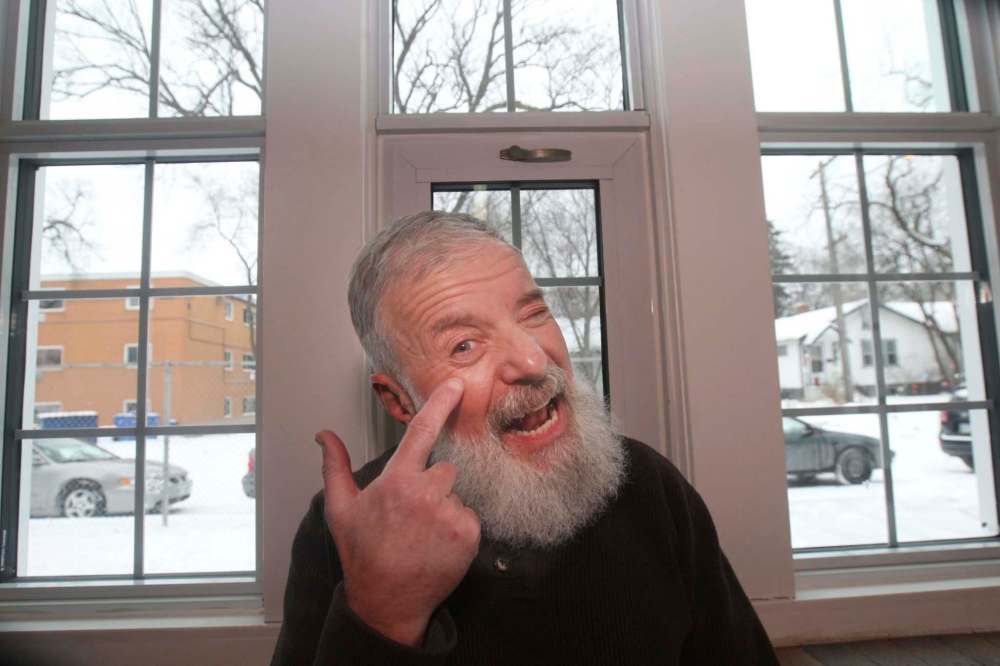
“We changed a law to do with violent video games,” says Ridd, who ranks it as the highlight of her involvement with the group, which includes 25 years as chairwoman of the finance committee.
Over the years, the organization received funding from Mennonite Central Committee and the United Church of Canada, as well as full-time volunteers from Mennonite agencies, says Ridd, but all those funding avenues have dried up.
Although the peace organization won’t continue, it has planted and nurtured seeds in other social-justice efforts in the city, says Sale.
“I think the community is better for the work that was done, but there’s sure more to be done,” says Sale.
“I think Project Peacemakers, among other things, called the churches to more openness and commitment to social justice.”

The organization also provided a venue for people of many faith traditions to live out their commitments to peace, says Ridd, still an active volunteer at age 85.
“If I don’t work for peace, all the good things I’m doing will be for naught,” she says.
“As a Christian, I’m called to be a peacemaker.”
brenda@suderman.com
The Free Press is committed to covering faith in Manitoba through our Religion in the News project. This reporting continues because readers like you step forward to fund it.
Donate now to support our reporting on religion.
Your donation is eligible for a charitable tax receipt.
BECOME A FAITH JOURNALISM SUPPORTER
Brenda Suderman has been a columnist in the Saturday paper since 2000, first writing about family entertainment, and about faith and religion since 2006.
Our newsroom depends on a growing audience of readers to power our journalism. If you are not a paid reader, please consider becoming a subscriber.
Our newsroom depends on its audience of readers to power our journalism. Thank you for your support.
Here are some of the activities of Project Peacemakers that made the news over the last three decades:
❚ Attendance at Prague ’83 World Assembly for Peace and Life Against Nuclear War
❚ Peaceful Play Festival, Building Peace through Play brochures, and annual toy-store inspections
❚ Winner of 1991 YMCA Canada Medal
❚ Prayer vigils at American nuclear missile sites
❚ Successful lobbying to have Manitoba Film Classification Board to rate video games and have the Manitoba legislature pass a law banning the sale of mature-rated video games to children
❚ Annual Walk for Peace in June and Lanterns for Peace in August
❚ Public school curriculum Creating a Culture of Peace
The Free Press is committed to covering faith in Manitoba through our Religion in the News project. This reporting continues because readers like you step forward to fund it.
Donate now to support our reporting on religion.
Your donation is eligible for a charitable tax receipt.
BECOME A FAITH JOURNALISM SUPPORTER
Brenda Suderman has been a columnist in the Saturday paper since 2000, first writing about family entertainment, and about faith and religion since 2006.
Our newsroom depends on a growing audience of readers to power our journalism. If you are not a paid reader, please consider becoming a subscriber.
Our newsroom depends on its audience of readers to power our journalism. Thank you for your support.
Advertisement Advertise With Us
Advertisement Advertise With Us
The Free Press acknowledges the financial support it receives from members of the city’s faith community, which makes our coverage of religion possible.