Pittsburgh synagogue attack survivors testify about overcoming physical and emotional wounds
Advertisement
Read this article for free:
or
Already have an account? Log in here »
To continue reading, please subscribe:

Digital Subscription
One year of digital access for only $205*
- Enjoy unlimited reading on winnipegfreepress.com
- Read the E-Edition, our digital replica newspaper
- Access News Break, our award-winning app
- Play interactive puzzles
*First annual payment billed as $205.00 + GST for one year. This annual subscription will automatically renew at $233.00 + GST every 52 weeks (10% off the regular annual price of $259.35). Offer available to new and qualified returning subscribers only. Cancel any time.
To continue reading, please subscribe:
Add Free Press access to your Brandon Sun subscription for only an additional
$1 for the first 4 weeks*
- Enjoy unlimited reading on winnipegfreepress.com
- Read the E-Edition, our digital replica newspaper
- Access News Break, our award-winning app
- Play interactive puzzles
*Your next Brandon Sun subscription payment will increase by $1.00 and you will be charged $17.95 plus GST for four weeks. After four weeks, your payment will increase to $24.95 plus GST every four weeks.
Read unlimited articles for free today:
or
Already have an account? Log in here »
Hey there, time traveller!
This article was published 19/07/2023 (1172 days ago), so information in it may no longer be current.
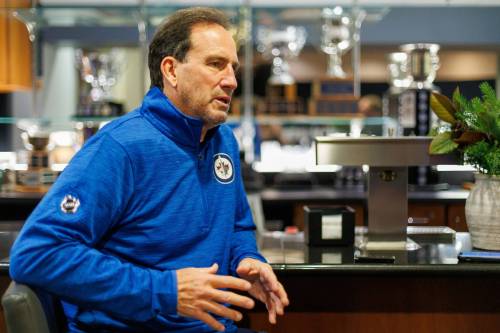
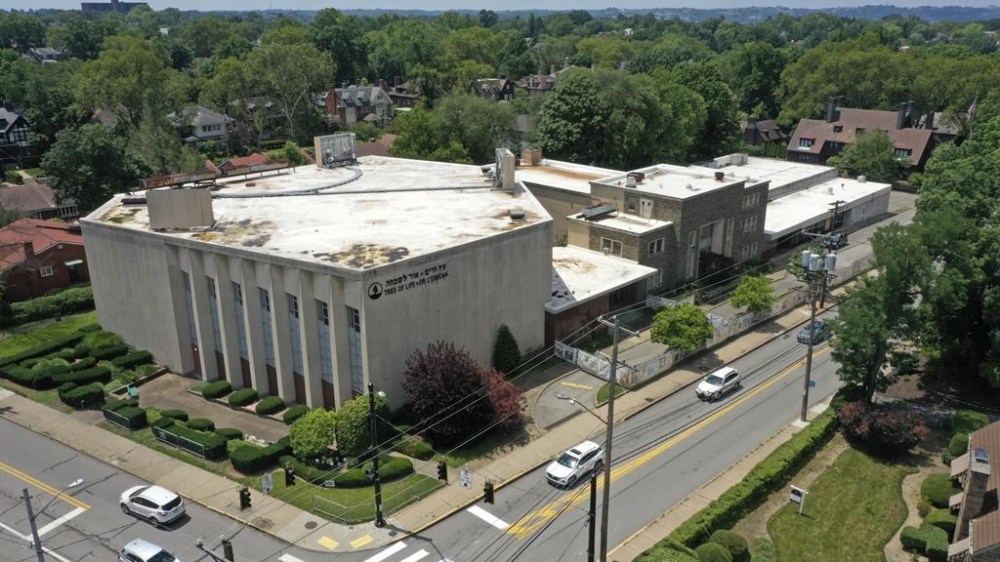
PITTSBURGH (AP) — Officer Tim Matson described in federal court Wednesday how a resilient weed helped to restore his will to live after his body was shattered by bullet wounds in the deadliest antisemitic attack in U.S. history.
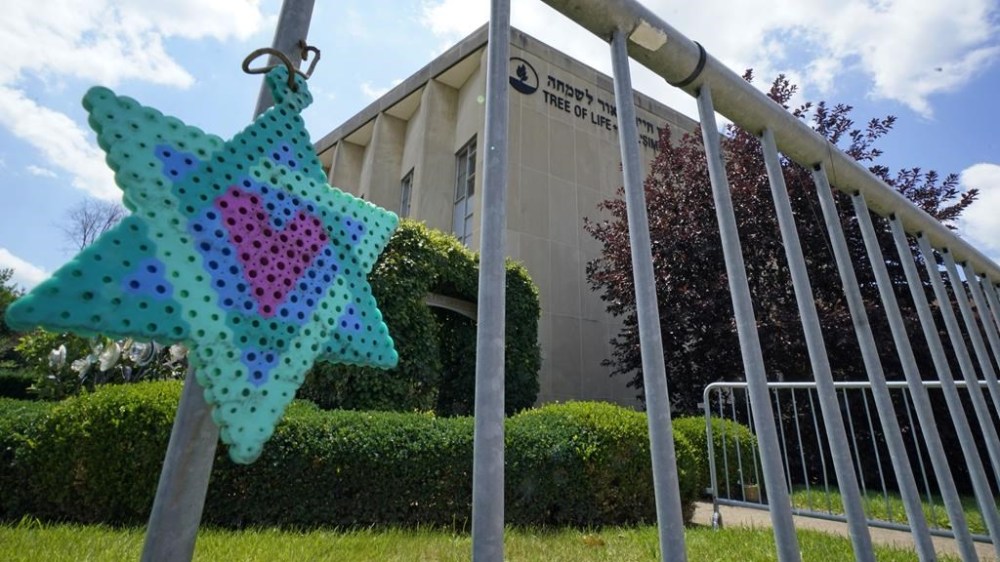
Matson was shot in his head and body on Oct. 27, 2018, when he and other police officers charged into Pittsburgh’s Tree of Life synagogue to halt the massacre that left 11 worshippers dead. The SWAT police officer was hospitalized for months, endured off-the-chart pain and underwent 25 surgeries. He had to relearn how to walk.
“I was in a pretty dark place,” he testified, admitting to suicidal thoughts.
“I got to the point where I had enough, I was in constant pain, I knew I would never be the same,” Matson said. But in his yard, which had recently been weed-whacked, he found a weed in a bucket that was growing still.
“Somebody tried to kill it,” yet it survived, he said. Matson realized then the importance of the support from his family and colleagues.
“I was like, man, it’s time to get to work, get my boots on the ground,” he said. He has tended the weed ever since, his “buddy” in resilience.
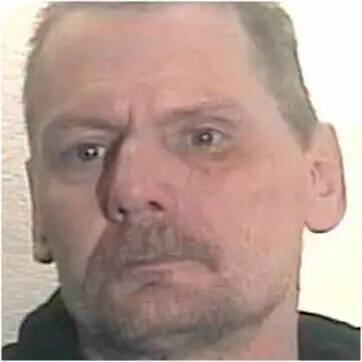
Robert Bowers, 50, was convicted in June for the killings that Sabbath morning, as well as for injuring Matson, other officers and worshippers — 63 counts in total. Jurors last week found him eligible for the death penalty and must next consider whether to put him to death or sentence him to life in prison without the possibility of parole.
At issue is whether the aggravating factors in the attack — those that make the crime especially heinous — outweigh mitigating factors, such as those that could be seen as reducing Bowers’ culpability. Jurors heard a heavy dose of evidence Wednesday, from Bowers’ trail of destruction to the long history of abuse in his own family.
A clinical psychologist who specializes in trauma recounted a Bowers family history filled with multigenerational mental illness and abuse.
Katherine Porterfield testified that she interviewed Bowers’ mother, aunt and others who knew the family during his childhood, and reviewed decades of records. She cited numerous cases of mental and neurological disorders, substance abuse and suicide in Bowers’ extended family.
Bowers’ father physically abused his mother when she was pregnant with him, Porterfield said. A neighbor reported to child protective services that Bowers’ parents threatened to kill him as an infant, but investigators dropped the case after his mother told them she was getting a divorce.
Bowers’ mother told Porterfield that she told him more than once she wished he’d never been born, saying: “I was a terrible mother. I could not care for him.”
Bowers’ parents separated while he was still young, and his mother moved from home to home and relationship to relationship, sometimes staying with her parents, who had their own struggles. Her father was violent and her mother was mentally ill, took tranquilizers and abused alcohol.
Bowers’ father and stepfather were both discharged from the military due to mental health diagnoses, and both were later charged with sexual offenses. Bowers’ father killed himself.
“His family loved him, but there was very little ability of adults to protect him” and meet his needs, Porterfield said.
Bowers gave little indication he was paying attention to the testimony, often shuffling papers, in keeping with his detached demeanor throughout the trial. He told mental health analysts that he wished he had killed more Jews, according to earlier testimony.
Also Wednesday, other survivors of the synagogue attack told of its devastation.
Andrea Wedner, who was shot in the attack that killed her mother, 97-year-old Rose Mallinger, still carries gunshot shrapnel in her arm. She had to retire as a dental hygienist years earlier than planned due to her injuries. She has regained only partial use of her hand, which tires easily and is sensitive to cold and heat. The injuries are constant reminders of the attack.
She can’t bring herself to attend services as regularly as she did with her mother, whom she misses dearly. “I’m haunted by what happened to me and by what I saw and what I heard that day,” she said.
Dan Leger told of his long recovery from severe intestinal and other injuries suffered in the shooting. He had to retire from his job as a hospital chaplain and said his injuries are a constant reminder.
Nevertheless, he and another survivor are trying to complete a study of the Talmud in honor of Jerry Rabinowitz, who was killed in the attack.
Also testifying were members of the families of Dan Stein and Cecil and David Rosenthal, who were among those killed.

“Words such as devastated, heartbroken, traumatized, they don’t scratch the surface,” said Michele Rosenthal, sister of Cecil and David.
Sharyn Stein, widow of Dan Stein, said she and her husband “were a team.”
“My world has fallen apart,” she said.
___
Associated Press religion coverage receives support through the AP’s collaboration with The Conversation US, with funding from Lilly Endowment Inc. The AP is solely responsible for this content.
The Free Press acknowledges the financial support it receives from members of the city’s faith community, which makes our coverage of religion possible.