Office to combat antisemitism to open in Winnipeg

Advertisement
Read this article for free:
or
Already have an account? Log in here »
To continue reading, please subscribe:
Digital Subscription
One year of digital access for only $1.44 a week*
- Enjoy unlimited reading on winnipegfreepress.com
- Read the E-Edition, our digital replica newspaper
- Access News Break, our award-winning app
- Play interactive puzzles
*Billed as $5.77 plus GST every four weeks. After 52 weeks, price increases to the regular rate of $19.95 plus GST every four weeks. Offer available to new and qualified returning subscribers only. Cancel any time.
To continue reading, please subscribe:
Add Free Press access to your Brandon Sun subscription for only an additional
$1 for the first 4 weeks*
- Enjoy unlimited reading on winnipegfreepress.com
- Read the E-Edition, our digital replica newspaper
- Access News Break, our award-winning app
- Play interactive puzzles
*Your next Brandon Sun subscription payment will increase by $1.00 and you will be charged $17.95 plus GST for four weeks. After four weeks, your payment will increase to $24.95 plus GST every four weeks.
Read unlimited articles for free today:
or
Already have an account? Log in here »
Hey there, time traveller!
This article was published 11/01/2024 (1011 days ago), so information in it may no longer be current.
Concern about rising antisemitism has prompted a national Jewish organization to establish an office in Winnipeg.
The goal of the Centre for Israel and Jewish Affairs’ office, which is being created in collaboration with the Jewish Federation of Winnipeg, is to address antisemitism in Manitoba and Saskatchewan.
It will be led by Gustavo Zentner, the federation’s past president, who will serve as the centre’s vice-president for the neighbouring provinces.
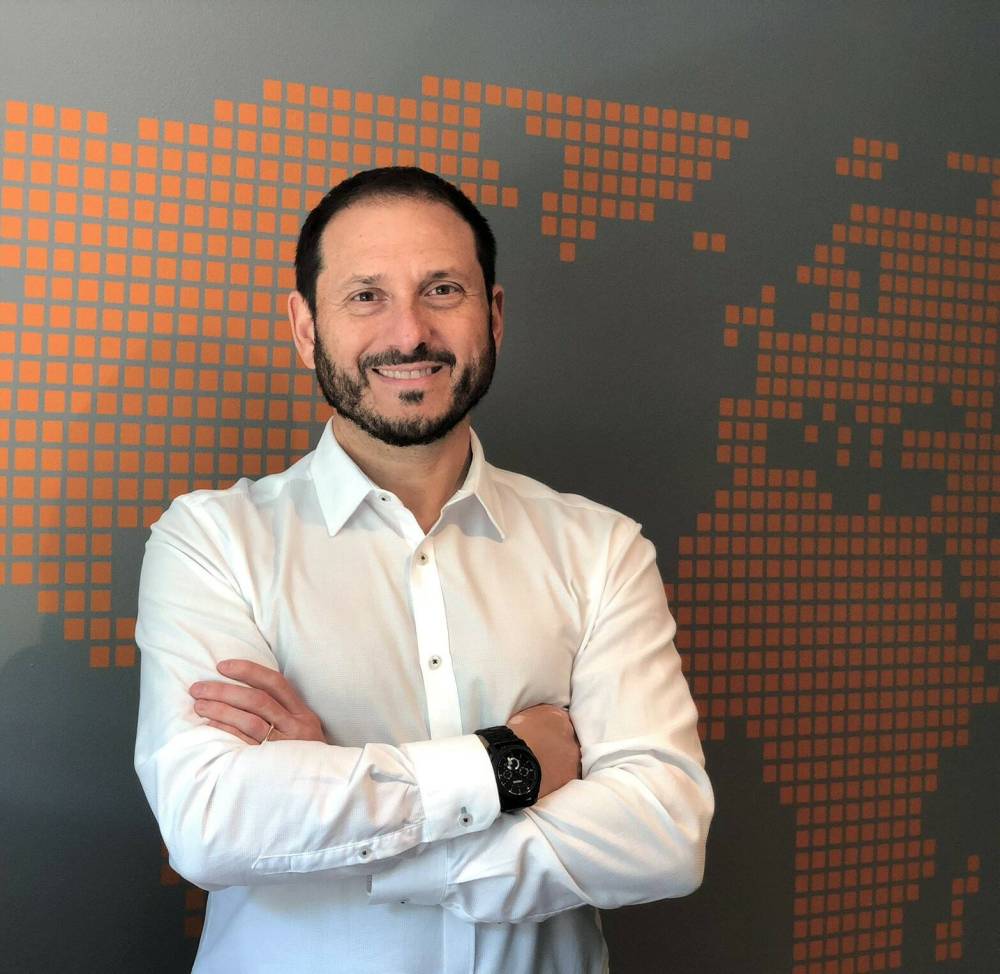
Gustavo Zentner
Zentner’s mandate is to combat antisemitism by engaging with law enforcement, politicians, the media, academia and community organizations and faith groups about ways to preserve and protect members of the Jewish community. He is also tasked with providing resources to address antisemitism and other forms of hate.
The office will be one of five in Canada, joining others in Montreal, Ottawa, Toronto and Vancouver.
Jeff Lieberman said the new office is needed because of the spike in antisemitism in the province since the Hamas attack on Israel on Oct. 7.
Lieberman said the federation has received many reports about bullying and intimidation of Jews on university campuses and hate on social media. Many local Jews also feel general anxiety about things said at pro-Palestinian protests in Winnipeg, he said.
“People in the Jewish community are feeling insecure and threatened,” Lieberman said, adding calls about antisemitism have overwhelmed the federation. “We’ve done a decent job of dealing with it, but we have a small staff. It’s taking a lot of our time away from other things. The addition of a full-time person will take a lot of stress off our shoulders.”
The idea for the office came from members of the local Jewish community who also offered to put up the funds.
“We saw an urgent need emerging and felt compelled to support efforts to ensure the entire community has the knowledge and tools to address these issues,” Asper Foundation president Anita Wortzman said.
The office will not only address “the toxic spike in antisemitism but also help reaffirm the many partnerships the Jewish community has built with other segments of Manitoba society, helping insulate against the hate that has become so pervasive,” she said.
The centre was open to the idea when approached by the federation, president and CEO Shimon Koffler Fogel said.
“Winnipeg has historically always been an important centre of Jewish life in Canada,” he said, noting the city has produced many national leaders for the Jewish community.
Having an office in Winnipeg has been on the centre’s radar for some time, he said, “but other priorities and imperatives took precedence.”
That “deficiency” is being corrected, and the organization looks forward to having “a robust presence” in Winnipeg, he said, adding the city “is an important place for us.”
Koffler Fogel said the organization has fielded three times as many reports about antisemitism in Canada since Oct. 7 compared with the same period last year.
“The spike has been consistent across the country,” he said, with more than 1,000 incidents since the war started.
This includes assaults, protests that block roads, bridges and malls, graffiti, vandalism, intimidation and hate on social media.
“We see a pattern emerging in community after community that undermines the work done in the past to build bridges of collaboration in Canada,” he said.
Koffler Fogel said he is pleased Zentner has accepted the role in Winnipeg.
“For him, there’s no learning curve. He can hit the road running,” he said. “He knows the environment and the stakeholders. He’s ideal for this, and we are delighted to have him on our team.”
Lieberman agreed.

“Gustavo is the right person for the job. He has the skills and experience and already has good connections in the community,” Lieberman said.
Zentner said he is “honoured” to help create the new office in Winnipeg, adding he looks forward to engaging with people and organizations.
“For me, it’s about attentive listening for deep understanding and building bridges,” he said.
There are between 16,000 to 17,000 Jews in Manitoba and about 5,000 in Saskatchewan, the centre said.
faith@freepress.mb.ca
The Free Press is committed to covering faith in Manitoba through our Religion in the News project. This reporting continues because readers like you step forward to fund it.
Donate now to support our reporting on religion.
Your donation is eligible for a charitable tax receipt.
BECOME A FAITH JOURNALISM SUPPORTER
Our newsroom depends on a growing audience of readers to power our journalism. If you are not a paid reader, please consider becoming a subscriber.
Our newsroom depends on its audience of readers to power our journalism. Thank you for your support.
The Free Press is committed to covering faith in Manitoba through our Religion in the News project. This reporting continues because readers like you step forward to fund it.
Donate now to support our reporting on religion.
Your donation is eligible for a charitable tax receipt.
BECOME A FAITH JOURNALISM SUPPORTER
Our newsroom depends on a growing audience of readers to power our journalism. If you are not a paid reader, please consider becoming a subscriber.
Our newsroom depends on its audience of readers to power our journalism. Thank you for your support.
Related Articles
On second anniversary of Oct. 7 attacks and start of Gaza war, officers say rushing to cover painful vandalism reduces odds of arrests
Advertisement Advertise With Us
Advertisement Advertise With Us
History
Updated on Thursday, January 11, 2024 2:12 PM CST: Changes headline
The Free Press acknowledges the financial support it receives from members of the city’s faith community, which makes our coverage of religion possible.