Thousands replaster Mali’s Great Mosque of Djenne, which is threatened by conflict
Advertisement
Read this article for free:
or
Already have an account? Log in here »
To continue reading, please subscribe:
Digital Subscription
One year of digital access for only $1.44 a week*
- Enjoy unlimited reading on winnipegfreepress.com
- Read the E-Edition, our digital replica newspaper
- Access News Break, our award-winning app
- Play interactive puzzles
*Billed as $5.77 plus GST every four weeks. After 52 weeks, price increases to the regular rate of $19.95 plus GST every four weeks. Offer available to new and qualified returning subscribers only. Cancel any time.
To continue reading, please subscribe:
Add Free Press access to your Brandon Sun subscription for only an additional
$1 for the first 4 weeks*
- Enjoy unlimited reading on winnipegfreepress.com
- Read the E-Edition, our digital replica newspaper
- Access News Break, our award-winning app
- Play interactive puzzles
*Your next Brandon Sun subscription payment will increase by $1.00 and you will be charged $17.95 plus GST for four weeks. After four weeks, your payment will increase to $24.95 plus GST every four weeks.
Read unlimited articles for free today:
or
Already have an account? Log in here »
Hey there, time traveller!
This article was published 13/05/2024 (891 days ago), so information in it may no longer be current.
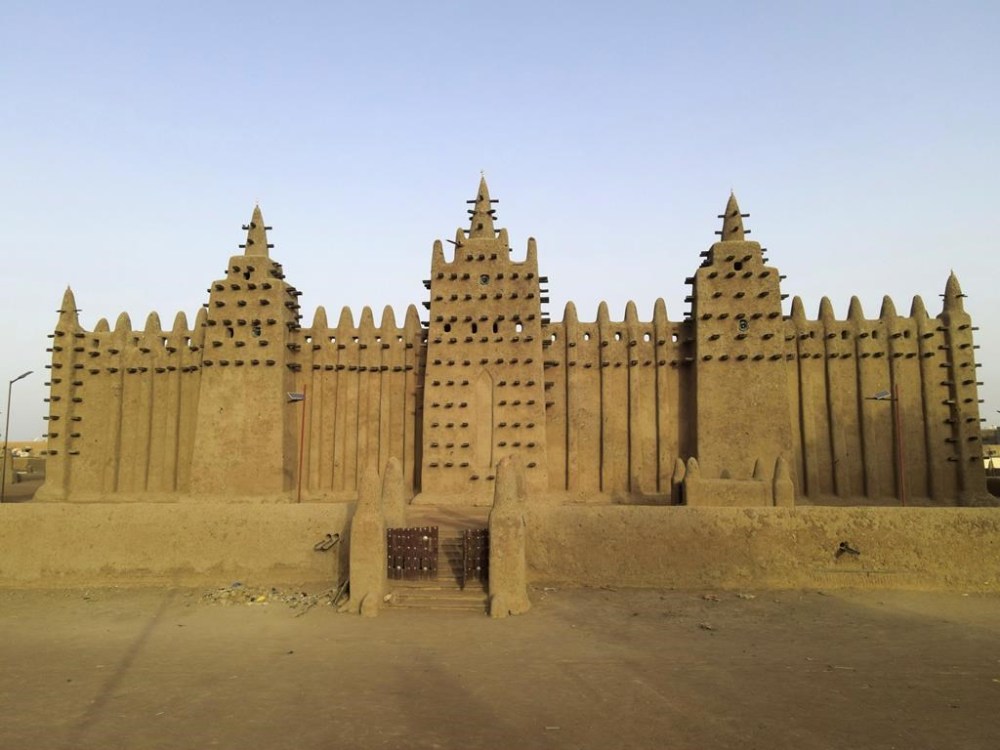
DJENNE, Mali (AP) — Thousands of Malians carrying buckets and jugs of mud joined the annual replastering of the world’s largest mud-brick building this weekend, a key ritual that maintains the integrity of the Great Mosque of Djenne in the center of the country.
The building has been on UNESCO’s World Heritage in Danger list since 2016. The mosque and surrounding town, a historical center of Islamic learning, have been threatened by conflict between Islamist rebels, government forces and other groups.
Djenne’s mosque requires a new layer of mud each year before the rainy season starts in June, or the building will fall into disrepair. The replastering event once drew tens of thousands of tourists each year. As with the rest of Mali, Djenne’s tourism industry has all but completely disappeared.
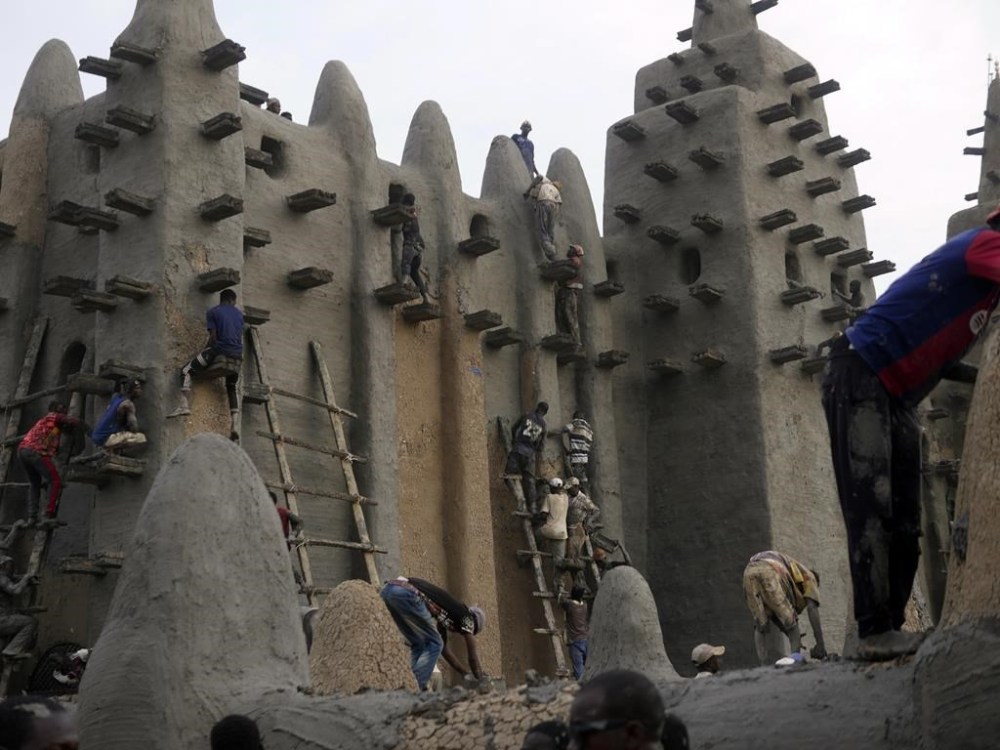
“The plastering of the mosque is a symbol of peace. The poor, the rich, everyone is here for this activity.” Amadou Ampate Cisse, a Djenne resident taking part in the event, told The Associated Press: “We will continue this tradition from generation to generation. We will pass it on to our children and they in turn will do the same.”
Traditionally, women and girls fetch water from the nearby river to mix with clay to make the mud, and men and boys climb the mosque and apply the new layer.
Moussa Moriba Diakité, head of Djenne’s cultural mission, said insecurity has threatened the annual event. “A lot of people talk about insecurity, and we hear that we can’t come to Djenne because there is insecurity,” he said.
Despite the disappearance of Djenne’s tourism industry, the maintenance of the mosque is something that must continue “at any cost,” Diakité said, to preserve the country’s cultural heritage.
Mali, along with its neighbors Burkina Faso and Niger, is battling an insurgency by armed groups, including some allied with al-Qaida and the Islamic State group. Following military coups in all three nations in recent years, the ruling juntas have expelled French forces and turned to Russia’s mercenary units for security assistance.

___
The Associated Press receives financial support for global health and development coverage in Africa from the Bill & Melinda Gates Foundation Trust. The AP is solely responsible for all content. Find AP’s standards for working with philanthropies, a list of supporters and funded coverage areas at AP.org.
The Free Press acknowledges the financial support it receives from members of the city’s faith community, which makes our coverage of religion possible.