This conclave to choose a new pope was short — but not the shortest ever
Advertisement
Read this article for free:
or
Already have an account? Log in here »
To continue reading, please subscribe:

Digital Subscription
One year of digital access for only $205*
- Enjoy unlimited reading on winnipegfreepress.com
- Read the E-Edition, our digital replica newspaper
- Access News Break, our award-winning app
- Play interactive puzzles
*First annual payment billed as $205.00 + GST for one year. This annual subscription will automatically renew at $233.00 + GST every 52 weeks (10% off the regular annual price of $259.35). Offer available to new and qualified returning subscribers only. Cancel any time.
To continue reading, please subscribe:
Add Free Press access to your Brandon Sun subscription for only an additional
$1 for the first 4 weeks*
- Enjoy unlimited reading on winnipegfreepress.com
- Read the E-Edition, our digital replica newspaper
- Access News Break, our award-winning app
- Play interactive puzzles
*Your next Brandon Sun subscription payment will increase by $1.00 and you will be charged $17.95 plus GST for four weeks. After four weeks, your payment will increase to $24.95 plus GST every four weeks.
Read unlimited articles for free today:
or
Already have an account? Log in here »
Hey there, time traveller!
This article was published 08/05/2025 (499 days ago), so information in it may no longer be current.
VATICAN CITY (AP) — How long does it take to choose a pope? In this case, it took only two days for Catholic cardinals to elect a successor to Pope Francis. That’s among the shortest conclaves in recent decades, but not the shortest ever.
It’s hard to be precise, since the Vatican doesn’t publish official data on the number of votes or tallies in past conclaves, and sources compiling their own data are not in complete agreement.
But historical figures provide a few clues.
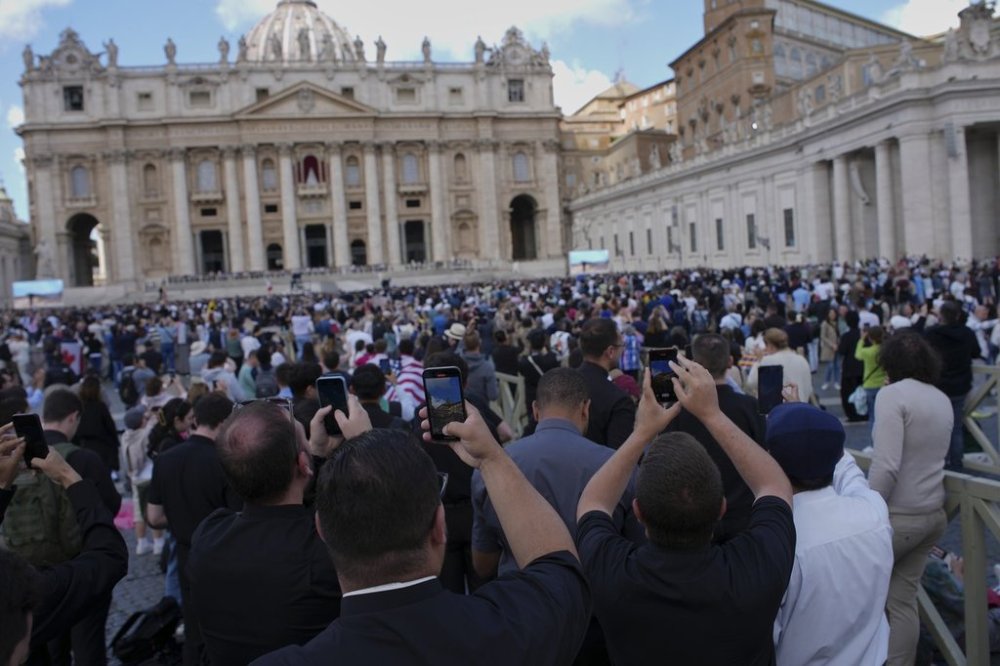
Before 1274, there were times when a pope was elected the same day as the death of his predecessor. After that, however, the church decided to wait at least 10 days before the first vote. Later that was extended to 15 days to give all cardinals time to get to Rome.
The quickest conclave observing the 10-day wait rule appears to have been the 1503 election of Pope Julius II, who was elected in just a few hours, according to Vatican historian Ambrogio Piazzoni. In more recent times, Pope Francis was elected in 2013 on the fifth ballot, Benedict XVI won in 2005 on the fourth and Pope Pius XII won on the third in 1939.
The longest conclave since the 20th century began took 14 rounds of balloting across five days, ending with the election of Pius XI in 1922. The shortest was the conclave that elected Pius XII in 1939, which took three ballots in two days.
Cardinals must reach a two-thirds majority to elect a pope. That was somewhat easier in conclaves past: In 1922 there were just 53 voting cardinals, and until 1978 there were fewer than 100 each time. This year there are 133, so 89 votes were needed.
Here’s a look at the duration of conclaves in recent history, according to multiple sources including Catholic and other Italian publications:
– 1914: Benedict XV: 10 ballots, 3 days
– 1922: Pius XI: 14 ballots, 5 days
– 1939: Pius XII: 3 ballots, 2 days
– 1958: John XXIII: 11 ballots, 4 days

– 1963: Paul VI: 5 or 6 ballots, 3 days
– 1978: John Paul I: 4 ballots, 2 days
– 1978: John Paul II: 8 ballots, 3 days
– 2005: Benedict XVI: 4 ballots, 2 days
– 2013: Francis: 5 ballots, 2 days
Related Articles
Robert Prevost, first pope from US in history of the Catholic Church, takes the name Leo XIV
Advertisement Advertise With Us
Advertisement Advertise With Us
The Free Press acknowledges the financial support it receives from members of the city’s faith community, which makes our coverage of religion possible.