Symbol of divine blessings
Sacred red thread around devotee’s wrist a source of protection for Hindus
Advertisement
Read this article for free:
or
Already have an account? Log in here »
To continue reading, please subscribe:

Digital Subscription
One year of digital access for only $205*
- Enjoy unlimited reading on winnipegfreepress.com
- Read the E-Edition, our digital replica newspaper
- Access News Break, our award-winning app
- Play interactive puzzles
*First annual payment billed as $205.00 + GST for one year. This annual subscription will automatically renew at $233.00 + GST every 52 weeks (10% off the regular annual price of $259.35). Offer available to new and qualified returning subscribers only. Cancel any time.
To continue reading, please subscribe:
Add Free Press access to your Brandon Sun subscription for only an additional
$1 for the first 4 weeks*
- Enjoy unlimited reading on winnipegfreepress.com
- Read the E-Edition, our digital replica newspaper
- Access News Break, our award-winning app
- Play interactive puzzles
*Your next Brandon Sun subscription payment will increase by $1.00 and you will be charged $17.95 plus GST for four weeks. After four weeks, your payment will increase to $24.95 plus GST every four weeks.
Read unlimited articles for free today:
or
Already have an account? Log in here »
Hey there, time traveller!
This article was published 07/03/2026 (207 days ago), so information in it may no longer be current.
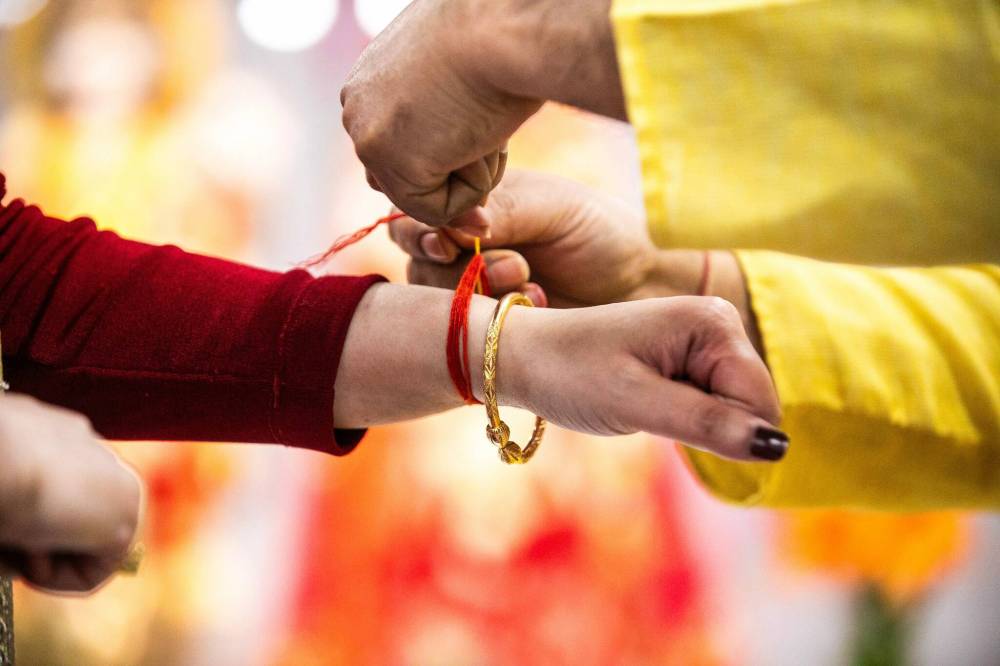
In the Hindu faith, when the sacred red thread is tied around a devotee’s wrist, it is a symbol of divine protection and blessings.
Made from cotton yarn, with predominantly red and some yellow threads, the protective amulet is typically wrapped around the wrist either five or seven times with three knots. Its red colour signifies good fortune, vitality and positive energy, while its yellow hue signifies wisdom, purity and spiritual energy. The thread is approximately six to 10 inches in length. Varying traditions will determine which wrist, right or left, the thread is tied on for males and females.
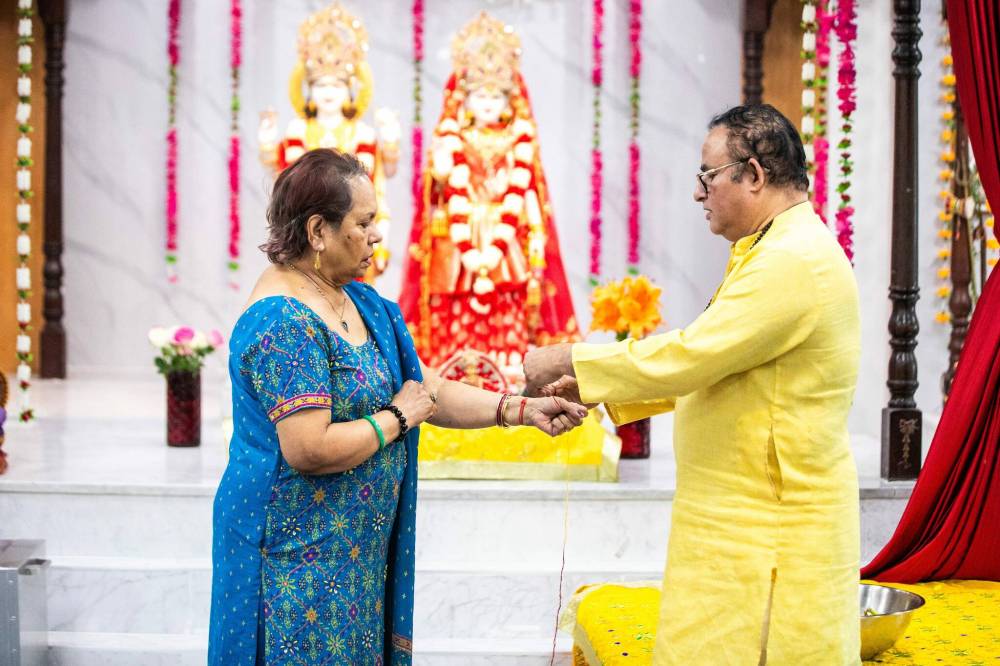
Tied by a Hindu priest, while a mantra, or sacred hymn for protection is recited, the thread is referred to as raksha sutra, a Sanskrit word that means a thread of protection. Devotees also refer to it as mauli translated from Sanskrit to mean being “above all”, referring to the sanctity of the thread. With the purpose to ward off negative energy, whether bad habits, sickness or evil eyes, “the thread is used for protection from all dangers … people use it as a protection from regular problems of life”, says Pandit Venkat Machiraju, one of the Hindu Society of Manitoba’s priests. He further shares the red thread negates negative forces occupying space in your mind and thoughts as well as it removes any negative aura around you.
MIKAELA MACKENZIE / FREE PRESS
Pandit Venkat Machiraju ties a sacred red thread at the Hindu Temple and Cultural Centre.
At the start of religious ceremonies, the thread is tied before rituals begin. Devotees wear the thread for the duration of all rituals, which for different ceremonies can be performed over many days. Machiraju says the thread reminds devotees of the auspiciousness of their duties, adding “it is a protection for the entire ritual process and ensures the rituals are completed successfully.” The raksha sutra is tied and worn during Hindu rituals for poojas/yajnas (holy offerings), festivals, weddings and temple visits.
Over time, the red colour of the protective thread will naturally fade, which signals a new one should be tied. As the thread becomes diminished, it is understood its protective powers are no longer present and its spiritual strength is less existent. While some devotees only wear the thread for rituals, many devotees regularly replace the thread and wear it permanently. Even though there is no definite rule how long the thread should be worn, it is suggested it should be replaced after 21 days to be effective. Since the thread is made of pure cotton fibres, its biodegradable and eco-friendly element make it suitable for disposal in nature. The raksha sutra is discarded where people do not walk, such as at the root of a tree or at the bottom of a bush or shrub, Machiraju says.
With its purpose to protect, any individual may be encouraged to wear this red thread. Any individual who performs a Hindu ritual will have it tied. Anyone who visits a Hindu temple can also have the thread tied. In October 2024, the National Post reported former prime minister Justin Trudeau being spotted wearing the red sacred thread. In related photos, Trudeau is seen wearing multiple of these threads on his right wrist.
The raksha sutra is a proud statement of Hindu identity. The thread represents the bond between the soul and the Divine.

“For a lot of people today, they feel the thread is a blessing from the Gods and Goddesses. When they look at it, they see it as a blessing always with them”, Machiraju says. As a symbol of Hindu faith, the amulet is very precious to many Hindus, similar to what various symbols represent to members of other faiths.
We have a collective responsibility to sustain welcoming and safe spaces for all, regardless of who they are in terms of their dress, language, traditions, customs and rituals. One way forward is to learn about sacred symbols among different faiths and cultures. Another way is having supportive infrastructure for places of worship. With growing incidents of hate on the rise, locally and nationally, we must strive to break down barriers that preclude us from respecting each other and prevent us from drifting further apart.
MIKAELA MACKENZIE / FREE PRESS
Pandit Venkat Machiraju ties a sacred red thread for Mona Goomansingh at the Hindu Temple and Cultural Centre.
At a January announcement for a $1-million-security-enhancement fund for places of worship, Premier Wab Kinew said, “when somebody commits a hate crime, they’re committing a crime against all of us as Manitobans. There is no place for hate in our society.”
We should be asking the questions: What do these symbols of faith represent? Why are they significant? How are these symbols displayed or worn? Indeed, symbols such as the raksha sutra are sacred and special, full of honour and heritage. The opportunity needs to be taken, by the broader public, to reach awareness for symbols of faiths, so they are regarded in classrooms, schools, workplaces and other spaces with dignity and humanity.
Romona Goomansingh, PhD is an educator, freelance writer and author in Winnipeg.
The Free Press is committed to covering faith in Manitoba through our Religion in the News project. This reporting continues because readers like you step forward to fund it.
Donate now to support our reporting on religion.
Your donation is eligible for a charitable tax receipt.
BECOME A FAITH JOURNALISM SUPPORTER
The Free Press acknowledges the financial support it receives from members of the city’s faith community, which makes our coverage of religion possible.