Flu may have peaked, but experts eye jump in nastier strain
Advertisement
Read this article for free:
or
Already have an account? Log in here »
To continue reading, please subscribe:

Digital Subscription
One year of digital access for only $205*
- Enjoy unlimited reading on winnipegfreepress.com
- Read the E-Edition, our digital replica newspaper
- Access News Break, our award-winning app
- Play interactive puzzles
*First annual payment billed as $205.00 + GST for one year. This annual subscription will automatically renew at $233.00 + GST every 52 weeks (10% off the regular annual price of $259.35). Offer available to new and qualified returning subscribers only. Cancel any time.
To continue reading, please subscribe:
Add Free Press access to your Brandon Sun subscription for only an additional
$1 for the first 4 weeks*
- Enjoy unlimited reading on winnipegfreepress.com
- Read the E-Edition, our digital replica newspaper
- Access News Break, our award-winning app
- Play interactive puzzles
*Your next Brandon Sun subscription payment will increase by $1.00 and you will be charged $17.95 plus GST for four weeks. After four weeks, your payment will increase to $24.95 plus GST every four weeks.
Read unlimited articles for free today:
or
Already have an account? Log in here »
Hey there, time traveller!
This article was published 08/03/2019 (2719 days ago), so information in it may no longer be current.
NEW YORK – There’s a strong chance this flu season has peaked, but health officials are watching a recent wave of illnesses from a nastier flu strain.
Flu was reported to be widespread in 48 states last week, down from 49 the week before, the Centers for Disease Control and Prevention said Friday in its latest report on this winter’s flu season. The federal agency’s flu forecasters think there’s a 90 per cent chance the flu season has peaked.
But experts also are monitoring an increase in illnesses from a kind of flu virus that tends to cause more hospitalizations and deaths, especially in the elderly.
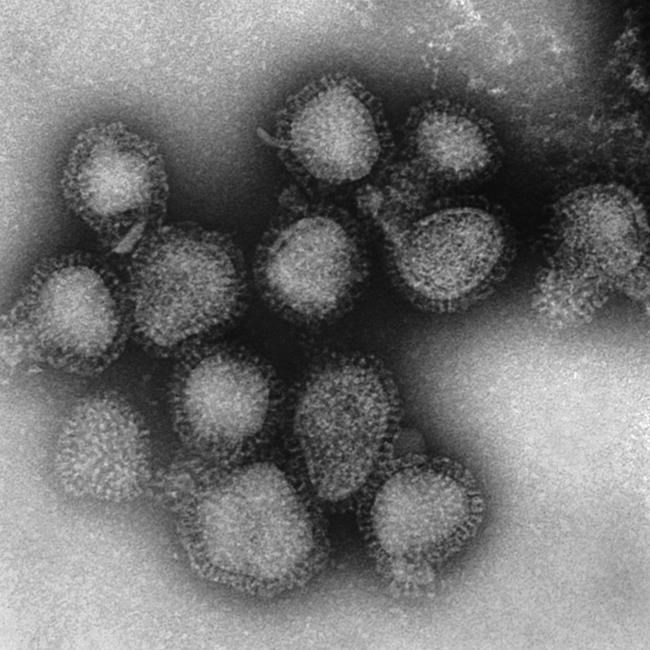
It’s not unusual for several flu strains to spread around the country at the same time, but one kind usually predominates.
This season, a milder strain has been the most common cause of flu illnesses. But for the last two weeks, more illnesses have been tied to a strain that tends to cause more deaths.
Last week, about 60 per cent of the flu virus samples tested were the more troublesome strain, known as Type A H3N2.
Uncertainty about what kind of H3N2 will be spreading later this year recently led the World Health Organization to postpone its decision on which strains should go into the flu vaccine for next season.
Last season, an estimated 80,000 Americans died of flu and its complications, the disease’s highest death toll in at least four decades. In recent years, flu-related deaths have ranged from about 12,000 to 56,000, according to the CDC.
CDC officials estimate there have been somewhere around 20,000 to 30,000 flu-related deaths so far this winter.
They also think there have been around 300,000 flu-related hospitalizations and around 25 million flu illnesses.
___
The Associated Press Health & Science Department receives support from the Howard Hughes Medical Institute’s Department of Science Education. The AP is solely responsible for all content.