Grassroots sustainability understood
Study looks at what makes local gardeners want to protect biodiversity in their own yards

Advertisement
Read this article for free:
or
Already have an account? Log in here »
To continue reading, please subscribe:

Digital Subscription
One year of digital access for only $205*
- Enjoy unlimited reading on winnipegfreepress.com
- Read the E-Edition, our digital replica newspaper
- Access News Break, our award-winning app
- Play interactive puzzles
*First annual payment billed as $205.00 + GST for one year. This annual subscription will automatically renew at $233.00 + GST every 52 weeks (10% off the regular annual price of $259.35). Offer available to new and qualified returning subscribers only. Cancel any time.
To continue reading, please subscribe:
Add Free Press access to your Brandon Sun subscription for only an additional
$1 for the first 4 weeks*
- Enjoy unlimited reading on winnipegfreepress.com
- Read the E-Edition, our digital replica newspaper
- Access News Break, our award-winning app
- Play interactive puzzles
*Your next Brandon Sun subscription payment will increase by $1.00 and you will be charged $17.95 plus GST for four weeks. After four weeks, your payment will increase to $24.95 plus GST every four weeks.
Read unlimited articles for free today:
or
Already have an account? Log in here »
Hey there, time traveller!
This article was published 16/09/2017 (3227 days ago), so information in it may no longer be current.
A new study that explores residents’ home gardening experiences in Winnipeg aims to understand what motivates gardeners interested in the conservation of native biodiversity in their own yard. The study also examines the impact of environmental learning programs on the attitudes and behaviours of gardeners.
The project was funded by the Royal Swedish Academy of Agriculture and Forestry (KSLA) and the University of Winnipeg in partnership with FortWhyte Alive.
The study was headed up by Christopher Raymond, a senior researcher for the department of landscape architecture, planning and management at the Swedish University of Agricultural Sciences, and Alan Diduck, a professor in the department of environmental studies and sciences at the University of Winnipeg.
Just how important is your backyard garden in the global scheme of things? Quite important, as it turns out.
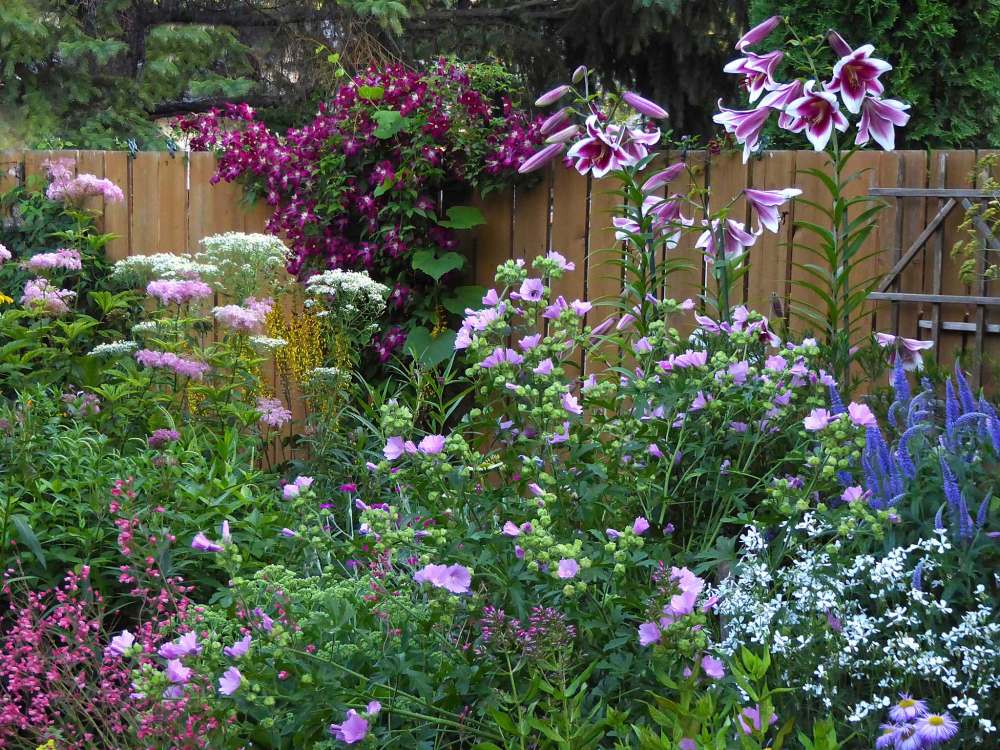
With a rising increase in carbon dioxide emissions — the current warming trend is expected to continue (2014 was Canada’s warmest year on record) — and the threat that pollinator decline poses to the world food supply, the study says home gardens have significant potential to deliver a range of environmental, therapeutic, social and personal benefits.
In our changing climate, the need for biodiversity, sustainability and conservation starts at the grassroots level. The study points to the critical need for training programs that will empower home gardener involvement in biodiversity conservation.
Raymond and Diduck have both a personal and professional relationship and have collaborated over the years on common research interests in social and transformative learning. Both are keen to develop learning programs to encourage conservation.
Raymond says there have been many studies on the social and environmental impact of community gardening, but little research has focused on the urban or home gardener. He adds that he and Diduck were keen to engage with individual landholders on their own properties.
“Most people in North America have some form of backyard and front yard,” Raymond says, “so if you can engage homeowners in gardening, you can likely engage them in the benefits of conservation and sustainability. Diduck and I were interested in learning about the range, not only of conservation benefits derived from home gardening but also of well-being benefits.”
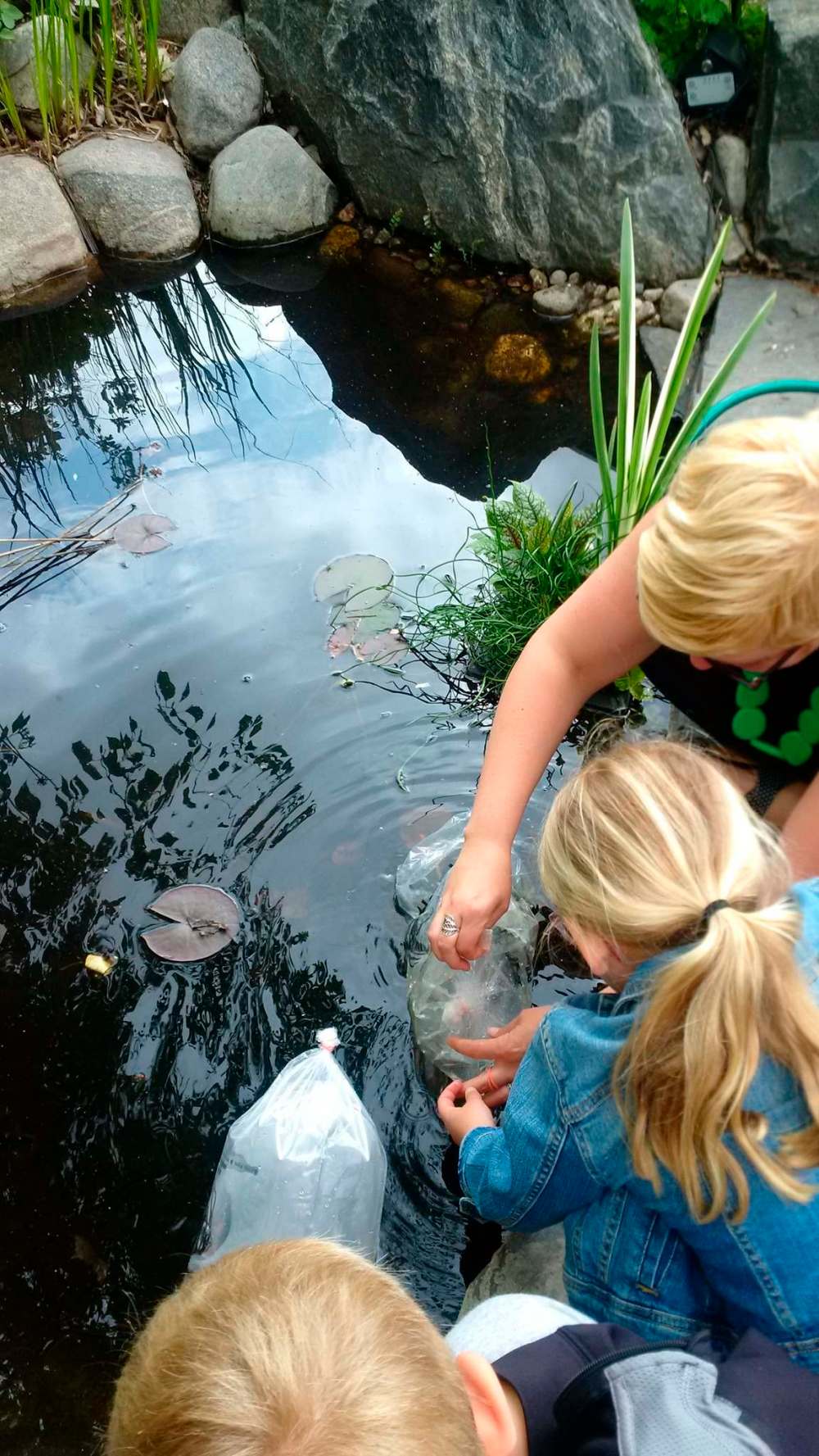
They invited participants in FortWhyte’s Naturescape program to be involved in the study. The Naturescape program started in 1996. Its goal is to encourage homeowners to increase backyard biodiversity.
To be certified, a backyard habitat must incorporate elements such as food, water, shelter and space for attracting a variety of different species.
A control group with similar interests in gardening for conservation included Master Gardeners from the Manitoba Master Gardener Association as well as members of Nature Manitoba.
Asking a gardener to talk about their garden is like asking a golfer to describe their recent golf game — the response may well be a hole by hole description, including a demonstration.
Raymond and Diduck, together with Morrissa Boerchers, a University of Winnipeg research assistant, say they could not have been more thrilled with the level of response.
In the space of a few weeks this past spring, 42 interviews were undertaken with a total of 50 participants, of whom 70 per cent were female. Two-thirds of the interviewees had participated in Naturescape.
The research team initially sought interviews between 30 and 40 minutes, but many interviews lasted between 60 and 90 minutes. Respondents, whose properties ranged in size from small urban gardens to acreages, also invited the researchers to view their gardens which, Raymond says, was really inspiring.
“We found many things that we did not expect,” he says, “including a range of well-being outcomes.”
Respondents talked about the restorative benefits of gardening for both mental and physical health, as well as sense-of-place benefits, e.g. for many, the connection to their garden was fundamental to their identity or to their life. Many talked of the garden in terms of family connections and special memories. The garden was also described as a place for children to learn about nature and to benefit from lessons handed down through the generations.
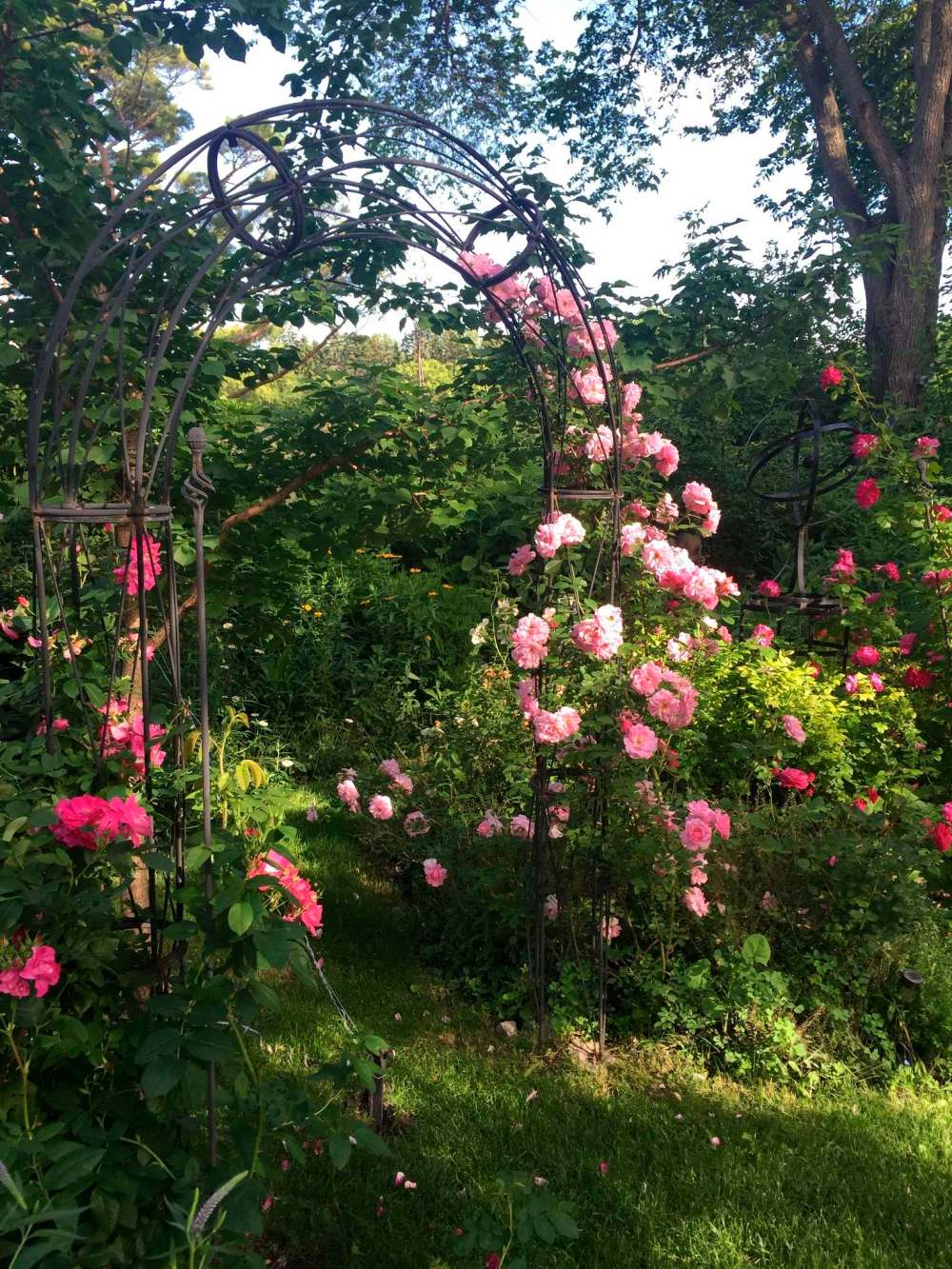
The social benefits of gardening, too, were apparent as participants in the study talked about the pleasure gained from sharing plants, seeds and surplus harvest with neighbours, passersby or community organizations.
The most frequently cited motivation for gardening (43 per cent of all participants) related to a love of nature. While both the importance of an esthetically pleasing landscape and a commitment to conservation, biodiversity, and sustainability were expressed as reasons for gardening on their properties by 29 per cent of the interviewees, the research showed that 33 per cent enjoyed mindful gardening for its therapeutic benefits.
Interestingly, the fewest number of participants (19 per cent) cited gardening for access to homegrown food as a motivation factor.
The study also highlighted different views on landscape esthetics. Not all neighbours — or for that matter, city officials — embrace the wild beauty of tall grasses and wildflowers that may also be co-mingling with edibles. An exuberant front yard meadow does not always conform to neighbours’ tastes (you know who you are). However, bees, butterflies, birds and other wildlife flock to these types of urban habitats.
Is there a risk a wild garden situated on a corner lot might disrupt vehicular traffic by obscuring sight lines? Many of the study participants recognized the need to seek a balance between urban life and the natural world and expressed their concern that “urbanization trends were having a detrimental effect on local biodiversity.”
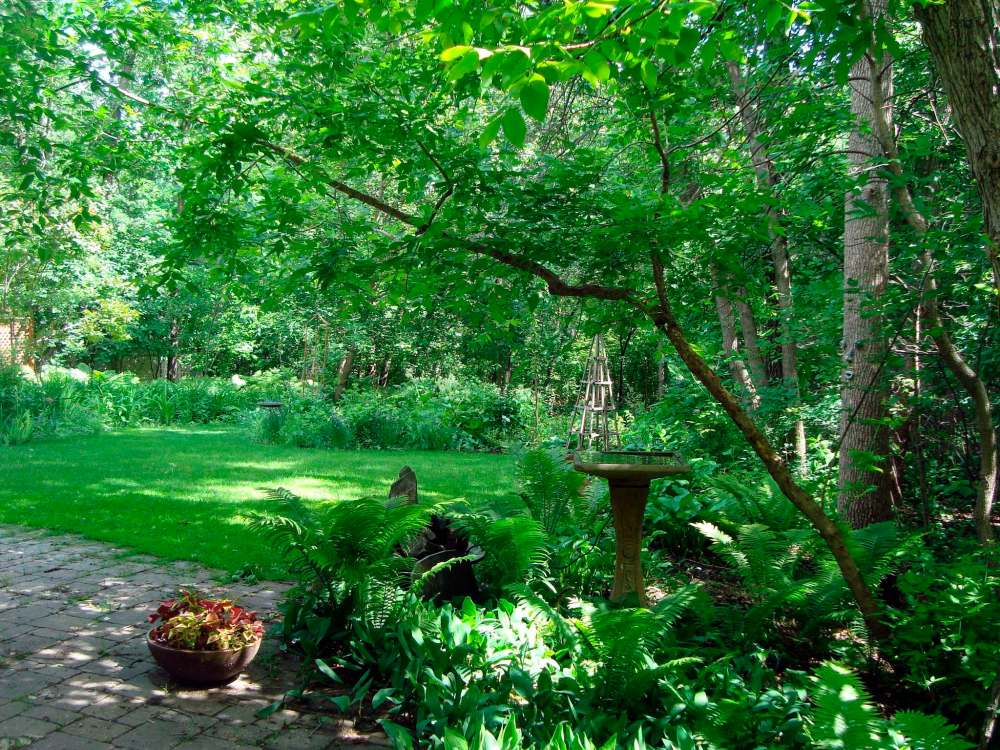
Participants provided scores of photos of their gardens, which provided the researchers with another bird’s eye view. The stories told are of growing backyard fruit and exotic edibles to the creation of natural environments that inspire curiosity and provide sheltered spaces for wildlife habitat.
While the research proposal was developed in collaboration with FortWhyte Alive and will provide feedback on the impact of the Naturescape program, Diduck says the study identified a need for better connections among the many gardening focus groups in our community, as well as more educational opportunities for home gardeners.
“If our research can help spur a conversation on how to build a more robust network of organizations, that can be an important contribution,” Diduck says.
Earlier this month, I attended a seminar at FortWhyte Alive where the results of the urban gardening study were presented. Participants eager to learn about future directions followed the presentation with a dynamic discussion.
Minna Goulet is the Naturescape co-ordinator at Fort Whyte Alive. She says Naturescape’s message of backyard biodiversity is increasingly important and that the research by Raymond and Diduck will assist FortWhyte Alive in expanding the Naturescape program.
Goulet hopes the study will motivate homeowners to think about their yards as small biodiversity habitats rather than simply manicured lawns. She is confident that the study will provoke more discussion among gardeners about what works and what doesn’t in our changing climate.
“Gardens are always evolving, especially today,” Goulet says. “Transforming a yard doesn’t happen overnight and often involves some trial and error.”
To view the full study report, visit http://ion.uwinnipeg.ca/~adiduck/styled-2/page2.html and click on residential gardening summary. Raymond and Diduck welcome Free Press readers’ questions about the study and how to become more involved. Contact christopher.raymond@slu.se or a.diduck@uwinnipeg.ca.
colleenizacharias@gmail.com
Colleen Zacharias
Gardening columnist
Colleen Zacharias writes about many aspects of gardening including trends, plant recommendations, and how-to information that is uniquely relevant to Prairie gardeners. She has written a column for the Free Press since 2010 and pens the monthly newsletter Winnipeg Gardener. Read more about Colleen.
Every piece of reporting Colleen produces is reviewed by an editing team before it is posted online or published in print — part of the Free Press‘s tradition, since 1872, of producing reliable independent journalism. Read more about Free Press’s history and mandate, and learn how our newsroom operates.
Our newsroom depends on a growing audience of readers to power our journalism. If you are not a paid reader, please consider becoming a subscriber.
Our newsroom depends on its audience of readers to power our journalism. Thank you for your support.
Colleen Zacharias
Gardening columnist
Colleen Zacharias writes about many aspects of gardening including trends, plant recommendations, and how-to information that is uniquely relevant to Prairie gardeners. She has written a column for the Free Press since 2010 and pens the monthly newsletter Winnipeg Gardener. Read more about Colleen.
Every piece of reporting Colleen produces is reviewed by an editing team before it is posted online or published in print — part of the Free Press‘s tradition, since 1872, of producing reliable independent journalism. Read more about Free Press’s history and mandate, and learn how our newsroom operates.
Our newsroom depends on a growing audience of readers to power our journalism. If you are not a paid reader, please consider becoming a subscriber.
Our newsroom depends on its audience of readers to power our journalism. Thank you for your support.
Advertisement Advertise With Us
Advertisement Advertise With Us