The Boreal is for the birds
Manitoba is at the heart of a huge northern nursery that is crucial to the health of the whole continent
Advertisement
Read this article for free:
or
Already have an account? Log in here »
To continue reading, please subscribe:

Digital Subscription
One year of digital access for only $205*
- Enjoy unlimited reading on winnipegfreepress.com
- Read the E-Edition, our digital replica newspaper
- Access News Break, our award-winning app
- Play interactive puzzles
*First annual payment billed as $205.00 + GST for one year. This annual subscription will automatically renew at $233.00 + GST every 52 weeks (10% off the regular annual price of $259.35). Offer available to new and qualified returning subscribers only. Cancel any time.
To continue reading, please subscribe:
Add Free Press access to your Brandon Sun subscription for only an additional
$1 for the first 4 weeks*
- Enjoy unlimited reading on winnipegfreepress.com
- Read the E-Edition, our digital replica newspaper
- Access News Break, our award-winning app
- Play interactive puzzles
*Your next Brandon Sun subscription payment will increase by $1.00 and you will be charged $17.95 plus GST for four weeks. After four weeks, your payment will increase to $24.95 plus GST every four weeks.
Read unlimited articles for free today:
or
Already have an account? Log in here »
Hey there, time traveller!
This article was published 17/05/2014 (4482 days ago), so information in it may no longer be current.
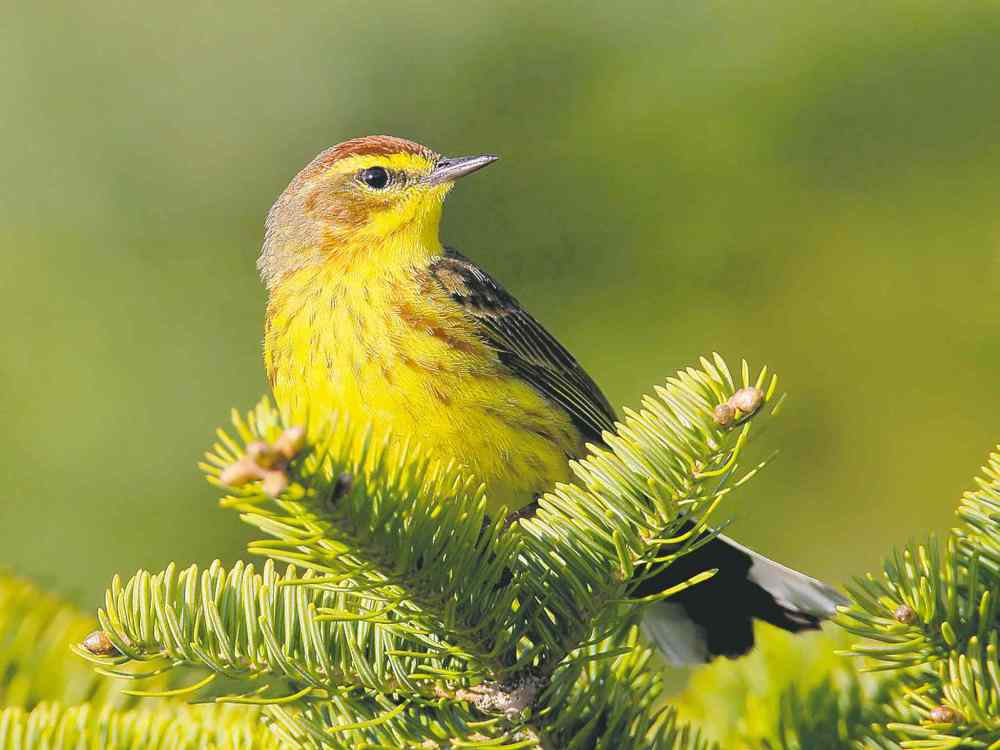
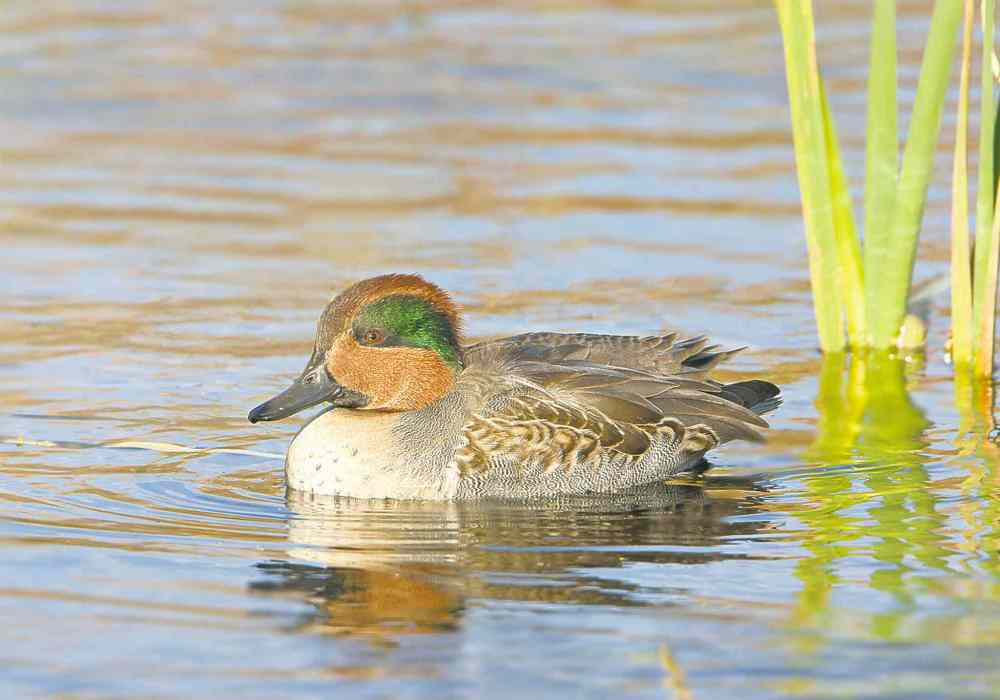
One to three billion birds flock to the North American boreal forest each spring to find habitat for summer breeding, and their lives depend on the forest being there for them.
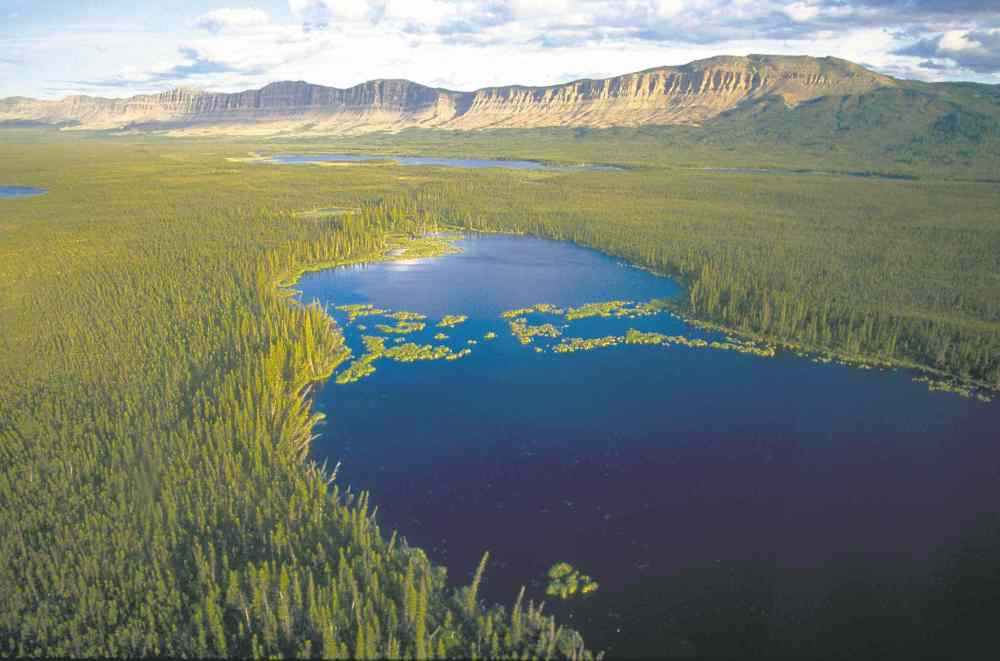
A new study concludes that Canada must preserve at least half of its wilderness if bird populations are to thrive. That amounts to at least 283 million hectares of the 600 million hectares of forest that stretch from Alaska to Newfoundland, with Manitoba at the heart of it.
This is the key conclusion of Boreal Birds Need Half, a report issued jointly by the Boreal Songbird Initiative and Ducks Unlimited.
The 28-page document adds a block of evidence to an expanding foundation of studies that cite the boreal as one of the planet’s critical lifelines.
“Manitoba is absolutely critical to North America’s boreal nursery. With over 80 per cent of the province in the boreal, positioned at the convergence of the western and central migratory flyways, this province provides a significant amount of habitat for birds,” said co-author Kevin Smith.
Smith, who is the national manager for boreal programs with Ducks Unlimited, noted Manitoba is also an important habitat for other wildlife.
“And it provides many ecosystem services such as carbon storage and sequestration to mitigate the effects of global climate change, water filtration to improve water quality for areas like Lake Winnipeg — all positioned at the heart of the boreal forest in a region that is currently fairly intact,” Smith said in an email interview from Edmonton, where he’s based.
The challenge is to keep the boreal “fairly intact.”
“The science we have now says you have to maintain at least half of it, free of large-scale industrial use, to keep that resource going,” said Jeff Wells, another of the study’s co-authors.
“We call it the bird nursery and it really is. It’s the place the birds have to go to maintain healthy populations into the future,” noted Wells in an phone interview.
Wells was in Gardiner, Maine, this week with migrant white-crowned sparrows singing nearby that would soon make their way to the boreal.
As the science and policy director for the Boreal Songbirds Initiative, Wells stresses the importance of the boreal as a bird nursery.
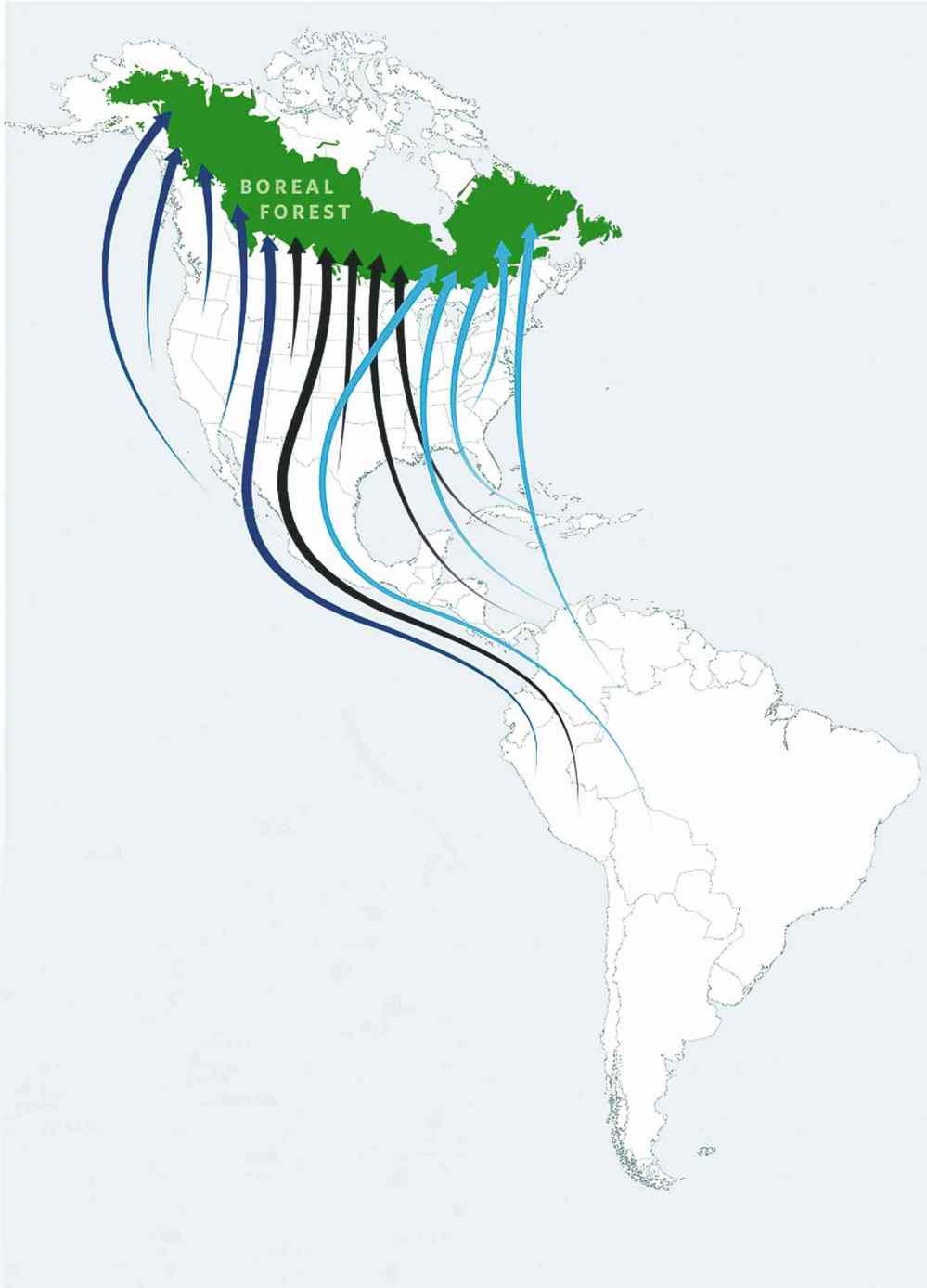
“One of the things people find surprising is the far-reaching roles that birds spilling out of the boreal forest have for the rest of the world, especially the rest of the hemisphere,” Wells said.
The area is a region that begins with the giant’s playground of massive boulders on the coast of Churchill and flies south to the lush nectar-rich Caribbean tropics.
“We talk about the ecological roles in this study that these bird have across the rest of the hemisphere, whether it’s the Swainton thrush going down into South America and eating fruits and spreading the seeds around, or the Kate May warbler that goes down to the wintering birds of Cuba and Espanola. Down there, you’ll often see the birds with pollen around their faces, even, from dipping into flowers,” Wells said.
Billions of these birds fly down from the north every year, as far south as southern South America, and all countries share an ecological responsibility to them, the study notes.
“There’s just this huge impact, mind boggling, way beyond anything anyone ever considered. It’s sort of a great gift Canada’s boreal forest is sending to the rest of the world,” Wells added.
So why should people care about birds?
From an economic perspective, lucrative industries have been built around people who like to hunt birds, some with guns and some with binoculars.
As crucial players in nature’s food chains, birds pollinate plants, disperse seeds, fertilize land, eat bugs and offer the ultimate sacrifice as environmental indicators. The saying “canary in a coal mine” is a literal truth: The documented effects of mercury on common loons in New York’s Adirondack Mountains spurred conservation efforts in that state.
Quebec and Ontario have pledged to protect half of the boreal regions that lie within their boundaries. First Nations, including some in Manitoba, have drawn up land-use plans to keep more than half of their traditional regions intact. Industries from coast to coast are grappling with the balance between the bottom line and ecological reality. As a result, Canada’s boreal is largely intact and most of it is healthy, the study noted.
“Since the report came out, the number and variety of comments from supporters, colleagues, friends, family, and staff have been considerable,” added Smith.
“Just getting the boreal on the map and in the minds of most folks is a big step.”
alexandra.paul@freepress.mb.ca