A for Quebec, F for Alberta: Study rates Canadian governments on conservation
Advertisement
Read this article for free:
or
Already have an account? Log in here »
To continue reading, please subscribe:

Digital Subscription
One year of digital access for only $205*
- Enjoy unlimited reading on winnipegfreepress.com
- Read the E-Edition, our digital replica newspaper
- Access News Break, our award-winning app
- Play interactive puzzles
*First annual payment billed as $205.00 + GST for one year. This annual subscription will automatically renew at $233.00 + GST every 52 weeks (10% off the regular annual price of $259.35). Offer available to new and qualified returning subscribers only. Cancel any time.
To continue reading, please subscribe:
Add Free Press access to your Brandon Sun subscription for only an additional
$1 for the first 4 weeks*
- Enjoy unlimited reading on winnipegfreepress.com
- Read the E-Edition, our digital replica newspaper
- Access News Break, our award-winning app
- Play interactive puzzles
*Your next Brandon Sun subscription payment will increase by $1.00 and you will be charged $17.95 plus GST for four weeks. After four weeks, your payment will increase to $24.95 plus GST every four weeks.
Read unlimited articles for free today:
or
Already have an account? Log in here »
Hey there, time traveller!
This article was published 22/06/2021 (1920 days ago), so information in it may no longer be current.
A new report grades Canadian governments in how they responded to the country’s international promise to conserve at least 17 per cent of its land mass and 10 per cent of its oceans by 2020.
The report, released today by the Canadian Parks and Wilderness Society, says Quebec and the federal government are the only jurisdictions to come close to meeting the 17 per cent conservation target.
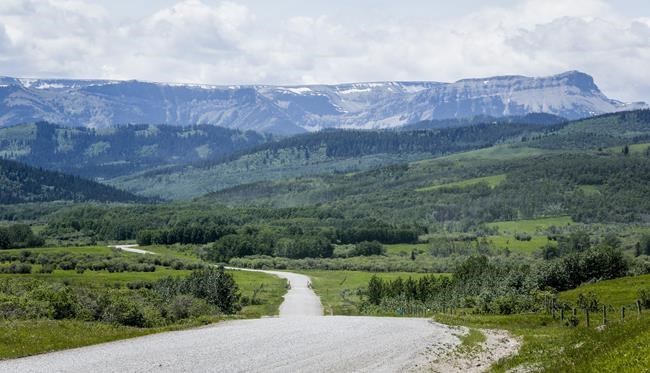
The society says Alberta performed the worst, cancelling previously planned protections, delisting parks and attempting to open the Rocky Mountains for open-pit coal mining.
“A lot of it has to do with political will,” said society spokeswoman Alison Woodley.
The group chose to examine how close different Canadian jurisdictions came to meeting its Aichi targets, an international agreement signed by Canada in 2010. The idea, said Woodley, was to learn how to better meet the next set of conservation goals — 30 per cent of land and oceans by 2030.
The report used internationally recognized standards of what constitutes protection and federal data on the amount of land covered.
Nationally, Canada met and exceeded its 2020 ocean goals, but fell short by more than three percentage points on land. That was good enough for a B-plus and an A-minus respectively, the report says.
The report credits funding — the 2021 federal budget included $2.3 billion for conservation — as well as a willingness to work with Indigenous groups for Ottawa’s progress.
Quebec nearly met its land conservation goals, conserving 16.7 per cent of its territory.
“The province worked with communities and First Nations to identify and deliver on new protected areas,” said Woodley.
Alberta, not so much. Although the province has more than 15 per cent of its land mass protected, the report points out Alberta has attempted to delist parks, open its Rocky Mountains to coal mining and walked away from plans that would have created some of the biggest new protected areas in the country.
“It’s not just about areas of protections,” said report author Anna Pidgorna. “Alberta’s going backwards in many ways.”
Alberta Environmentdid not immediately respond to a request to outline conservation measures taken by the United Conservative government.
Ontario and Newfoundland share Alberta’s F grade. Ontario has protected less than one per cent of its lands over the last decade, with a similar story in Newfoundland and Labrador, where the percentage of protected land is among the lowest in Canada.
The rest of the country is a mix, said Woodley.
Saskatchewan is criticized for having protected less than 10 per cent of its land and weakening protections on native grasslands, but praised for working with Indigenous groups and granting interim protection to one new area. Manitoba made early progress, the report says, but has lately discussed selling off park land.
British Columbia has almost 20 per cent of its land under protection. But the province is criticized for no recent progress and underfunding the parks it does have.
The Northwest Territories get a B-plus for creating large new protected areas and working with Indigenous groups to define and manage them.
Woodley said the study shows that funding makes a big difference to creating protected areas. So does time and patience.
“Conservation takes time,” she said.

“A major barrier to delivering on the 17-per-cent target was a lack of time. If we’re going to meet the 30-per-cent target, we need to start now.”
Woodley said conserving land is the best way to address the loss of species and shrinking biodiversity around the world.
“Habitat loss is the primary driver of nature’s decline. Protecting habitat has to be a core part of the solution.”
This report by The Canadian Press was first published June 22, 2021.
— Follow Bob Weber on Twitter at @row1960