Ian’s damage to Florida agriculture as high as $1.8 billion
Advertisement
Read this article for free:
or
Already have an account? Log in here »
To continue reading, please subscribe:

Digital Subscription
One year of digital access for only $205*
- Enjoy unlimited reading on winnipegfreepress.com
- Read the E-Edition, our digital replica newspaper
- Access News Break, our award-winning app
- Play interactive puzzles
*First annual payment billed as $205.00 + GST for one year. This annual subscription will automatically renew at $233.00 + GST every 52 weeks (10% off the regular annual price of $259.35). Offer available to new and qualified returning subscribers only. Cancel any time.
To continue reading, please subscribe:
Add Free Press access to your Brandon Sun subscription for only an additional
$1 for the first 4 weeks*
- Enjoy unlimited reading on winnipegfreepress.com
- Read the E-Edition, our digital replica newspaper
- Access News Break, our award-winning app
- Play interactive puzzles
*Your next Brandon Sun subscription payment will increase by $1.00 and you will be charged $17.95 plus GST for four weeks. After four weeks, your payment will increase to $24.95 plus GST every four weeks.
Read unlimited articles for free today:
or
Already have an account? Log in here »
Hey there, time traveller!
This article was published 25/10/2022 (1439 days ago), so information in it may no longer be current.
ORLANDO, Fla. (AP) — Hurricane Ian caused as much as $1.8 billion in damages to Florida agriculture last month, state agriculture officials said.
The Category 4 storm caused between $1.1 billion and $1.8 billion in losses to the state’s crops and agriculture infrastructure when it tore through the peninsula after landing in southwest Florida, according to a preliminary estimate released Monday by the Florida Department of Agriculture and Consumer Services.
The agency’s estimate was in the same range as a University of Florida preliminary estimate released last week that put Florida’s agriculture loss as high as $1.5 billion.
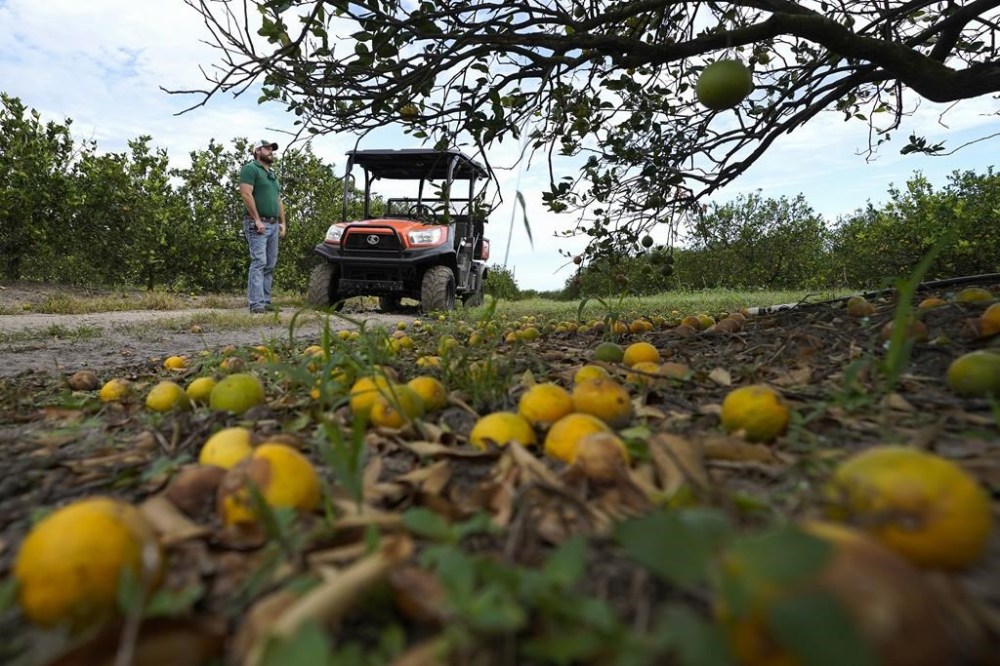
Crop damage ranged from $686 million to $1.2 billion. The biggest losses came from citrus which had damages between $416 million and $675 million, the Department of Agriculture report said. The hurricane hit almost at the start of the citrus growing season in Florida, which produces about 60% of all the citrus consumed in the U.S.
Not only did citrus growers lose fruit that was blown off trees, but they now face the prospect of damaged trees from flooding. The loss could amount to as much as 11% of citrus trees, the report said. Even before the hurricane, Florida’s orange production was predicted to be down by almost a third this season because of the deadly citrus greening disease.
When it comes to non-citrus fruits and vegetables, Florida lost an estimated $153.7 million to $230.5 million, or around 10% to 15% of crops, just as the planting season was getting into full gear. Many fields lost plastic and drip-tape irrigation and other infrastructure, the report said.