US nuclear waste repository begins filling new disposal area
Advertisement
Read this article for free:
or
Already have an account? Log in here »
To continue reading, please subscribe:
Digital Subscription
One year of digital access for only $1.44 a week*
- Enjoy unlimited reading on winnipegfreepress.com
- Read the E-Edition, our digital replica newspaper
- Access News Break, our award-winning app
- Play interactive puzzles
*Billed as $5.77 plus GST every four weeks. After 52 weeks, price increases to the regular rate of $19.95 plus GST every four weeks. Offer available to new and qualified returning subscribers only. Cancel any time.
To continue reading, please subscribe:
Add Free Press access to your Brandon Sun subscription for only an additional
$1 for the first 4 weeks*
- Enjoy unlimited reading on winnipegfreepress.com
- Read the E-Edition, our digital replica newspaper
- Access News Break, our award-winning app
- Play interactive puzzles
*Your next Brandon Sun subscription payment will increase by $1.00 and you will be charged $17.95 plus GST for four weeks. After four weeks, your payment will increase to $24.95 plus GST every four weeks.
Read unlimited articles for free today:
or
Already have an account? Log in here »
Hey there, time traveller!
This article was published 26/11/2022 (1423 days ago), so information in it may no longer be current.
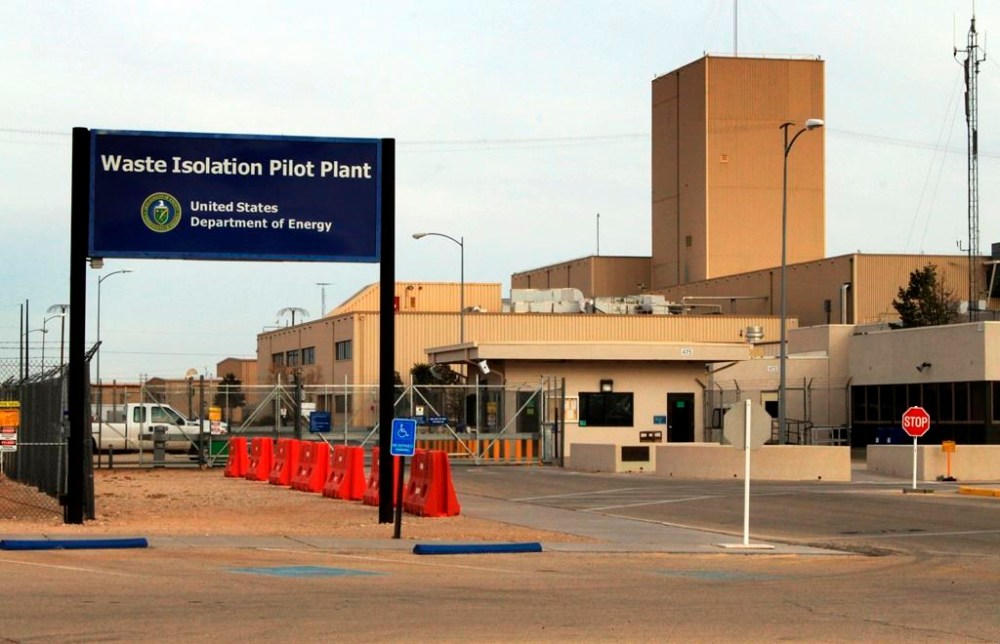
ALBUQUERQUE, N.M. (AP) — Workers at the nation’s only underground nuclear waste repository have started using a newly mined disposal area at the underground facility in southern New Mexico.
Officials at the Waste Isolation Pilot Plant made the announcement this week, saying the first containers of waste to be entombed in the new area came from Oak Ridge National Laboratory in Tennessee — one of the many labs and government sites across the country that package up waste and ship it to WIPP.
Known as Panel 8, the new area consists of seven separate rooms for placing special boxes and barrels packed with lab coats, rubber gloves, tools and debris contaminated with plutonium and other radioactive elements.
Each room measures 33 feet (10 meters) wide, 16 feet (4.9 meters) high and runs the length of a football field minus the end zones.
Carved out of an ancient salt formation about half a mile (0.8 kilometers) deep, the subterranean landfill located outside of Carlsbad received its first shipment in 1999. The idea is that the shifting salt will eventually entomb the radioactive waste left from decades of bomb-making and nuclear weapons research.
In 2014, a fire and separate radiation release forced a nearly three-year closure of the repository and a costly overhaul of the policies and procedures that govern WIPP and the nation’s multibillion-dollar cleanup program for Cold War-era waste.
Operations had to be reduced after the repository reopened because areas of the facility were contaminated and airflow needed for mining and disposal operations was limited. Now, a multimillion-dollar project is underway to install a new ventilation system, and state regulators are considering a permit change that some critics have said could lead to expanded operations.
The state Environment Department’s Hazardous Waste Bureau issued a plan this month aimed at ensuring the public has opportunities to comment on modifications or permit renewal applications.
Sean Dunagan, president and project manager of Nuclear Waste Partnership, the contractor that manages the repository, said in a statement that operations already have become more efficient with the new panel.
Creating a panel requires mining nearly 160,000 tons of salt, and it takes about 2 1/2 years to fill it with waste. For example, Panel 7 is filled with 20,056 containers, with most of them being 55-gallon (208-litre) drums.