Meteorologist: West Coast snowfall is ‘once in a generation’
Advertisement
Read this article for free:
or
Already have an account? Log in here »
To continue reading, please subscribe:

Digital Subscription
One year of digital access for only $205*
- Enjoy unlimited reading on winnipegfreepress.com
- Read the E-Edition, our digital replica newspaper
- Access News Break, our award-winning app
- Play interactive puzzles
*First annual payment billed as $205.00 + GST for one year. This annual subscription will automatically renew at $233.00 + GST every 52 weeks (10% off the regular annual price of $259.35). Offer available to new and qualified returning subscribers only. Cancel any time.
To continue reading, please subscribe:
Add Free Press access to your Brandon Sun subscription for only an additional
$1 for the first 4 weeks*
- Enjoy unlimited reading on winnipegfreepress.com
- Read the E-Edition, our digital replica newspaper
- Access News Break, our award-winning app
- Play interactive puzzles
*Your next Brandon Sun subscription payment will increase by $1.00 and you will be charged $17.95 plus GST for four weeks. After four weeks, your payment will increase to $24.95 plus GST every four weeks.
Read unlimited articles for free today:
or
Already have an account? Log in here »
Hey there, time traveller!
This article was published 02/03/2023 (1294 days ago), so information in it may no longer be current.
Portland, Oregon received nearly a foot of snow in a single day in what proved to be its second-snowiest day in history. Mountainous areas of California experienced nearly unprecedented snowfall accumulations – more than 40 feet since the start of the season. At the airport in Flagstaff, Arizona, 11.6 feet have fallen this season, second only to the winter of 1948-49. Even Phoenix suburbs woke up on Thursday to a dusting of snow that covered cactuses and lush golf courses.
What is going on with all the snow?
“This rain and snow bucked the trend and it’s highly unexpected,” said Ryan Maue, a meteorologist and former NOAA chief scientist. “It’s like once-in-a-generation.”
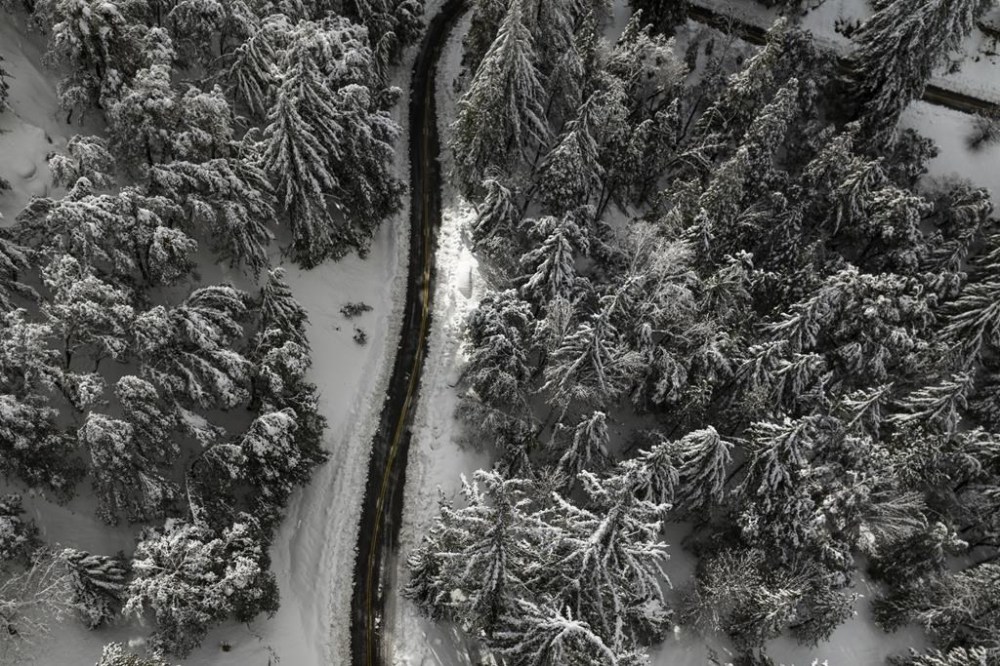
Meteorologists say the explanation for the robust winter season is not so simple.
The current La Niña pattern does have an influence on global weather, but Maue said that is only one factor.
Bianca Feldkircher, a meteorologist for the National Weather Service, said a persistent blocking pattern over the Pacific Ocean plus cold air migrating south from the Arctic have created the conditions for widespread snowfall along the West Coast.
“Not only were you getting significant snowfall in areas that already see snow, you were also seeing snowfall on lower elevations in Southern California, which is super rare,” said Feldkircher.
For example, the forecast on March 1 warned of snowfall for parts of Phoenix, which Feldkircher said is “super unusual” for this time of year. And last week, Portland saw abnormally high snowfall rates and recorded nearly 11 inches (28 centimeters) — the second snowiest day in the city’s history.
With respect to human-induced climate change, meteorologists say it’s challenging to nail down what part it is playing in the West Coast’s peculiar winter season.
But increasingly extreme weather is expected as global temperatures rise. “Heat produces moisture, moisture produces storms, and heat and moisture bind to produce even more severe storms,” Feldkircher said.
Forecasting technology keeps getting better. So much better, it may even soon be able to forecast extreme events with higher accuracy. “In the near future, I do not think climate will cause issues with our weather forecasting capabilities,” said Maue.
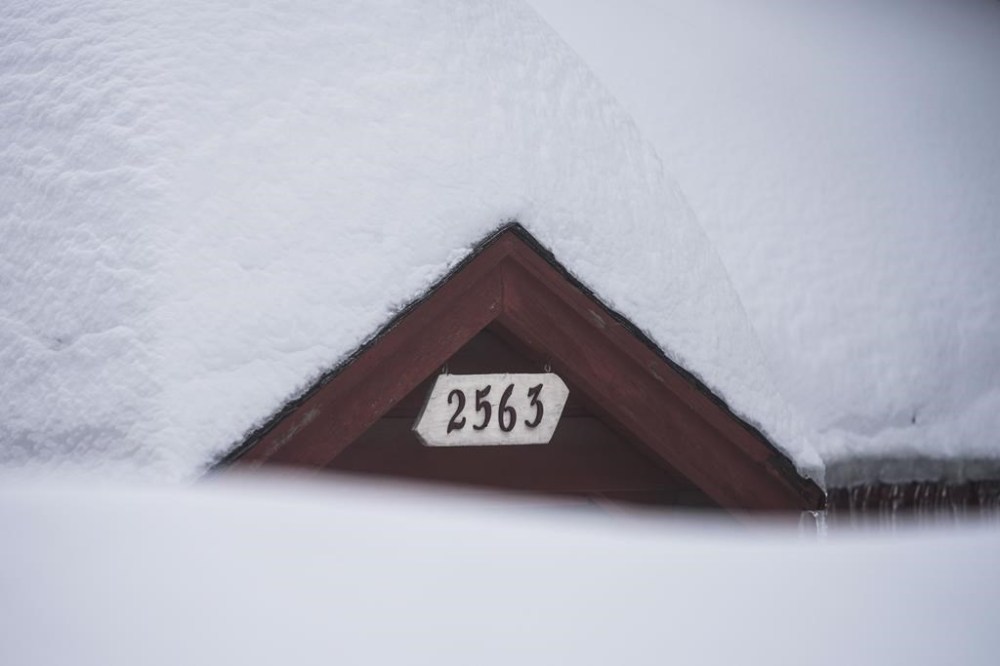

Although many regions struggled with the challenging winter conditions, some are welcoming the much-needed moisture.
The recent precipitation is a blessing for ameliorating the drought that has persisted in the Southwest.
California tends to go from rags to riches, bounty to poverty when it comes to rain, Maue said. “That’s why from a policy point of view, you need to be able to have water regulations, reservoirs, and water supplies that can last during multi-year droughts.”
____
Associated Press climate and environmental coverage receives support from several private foundations. See more about AP’s climate initiative here. The AP is solely responsible for all content.
Related Articles
California's snow-stranded residents need food, plows, help
Advertisement Advertise With Us
Advertisement Advertise With Us