NOAA: NJ wind farm may ‘adversely affect,’ not kill whales
Advertisement
Read this article for free:
or
Already have an account? Log in here »
To continue reading, please subscribe:

Digital Subscription
One year of digital access for only $205*
- Enjoy unlimited reading on winnipegfreepress.com
- Read the E-Edition, our digital replica newspaper
- Access News Break, our award-winning app
- Play interactive puzzles
*First annual payment billed as $205.00 + GST for one year. This annual subscription will automatically renew at $233.00 + GST every 52 weeks (10% off the regular annual price of $259.35). Offer available to new and qualified returning subscribers only. Cancel any time.
To continue reading, please subscribe:
Add Free Press access to your Brandon Sun subscription for only an additional
$1 for the first 4 weeks*
- Enjoy unlimited reading on winnipegfreepress.com
- Read the E-Edition, our digital replica newspaper
- Access News Break, our award-winning app
- Play interactive puzzles
*Your next Brandon Sun subscription payment will increase by $1.00 and you will be charged $17.95 plus GST for four weeks. After four weeks, your payment will increase to $24.95 plus GST every four weeks.
Read unlimited articles for free today:
or
Already have an account? Log in here »
Hey there, time traveller!
This article was published 04/04/2023 (1281 days ago), so information in it may no longer be current.
ATLANTIC CITY, N.J. (AP) — New Jersey’s first offshore wind farm may “adversely affect” whales and other marine mammals, but its construction, operation and eventual dismantling will not seriously harm or kill them, a federal scientific agency said.
The National Oceanic and Atmospheric Administration issued a report Tuesday evaluating an analysis by the U.S. Bureau of Ocean Energy Management of the Ocean Wind I project to be built off the southern New Jersey coast.
NOAA’s final biological opinion examined BOEM’s research, and took into account “the best scientific and commercial data available.”
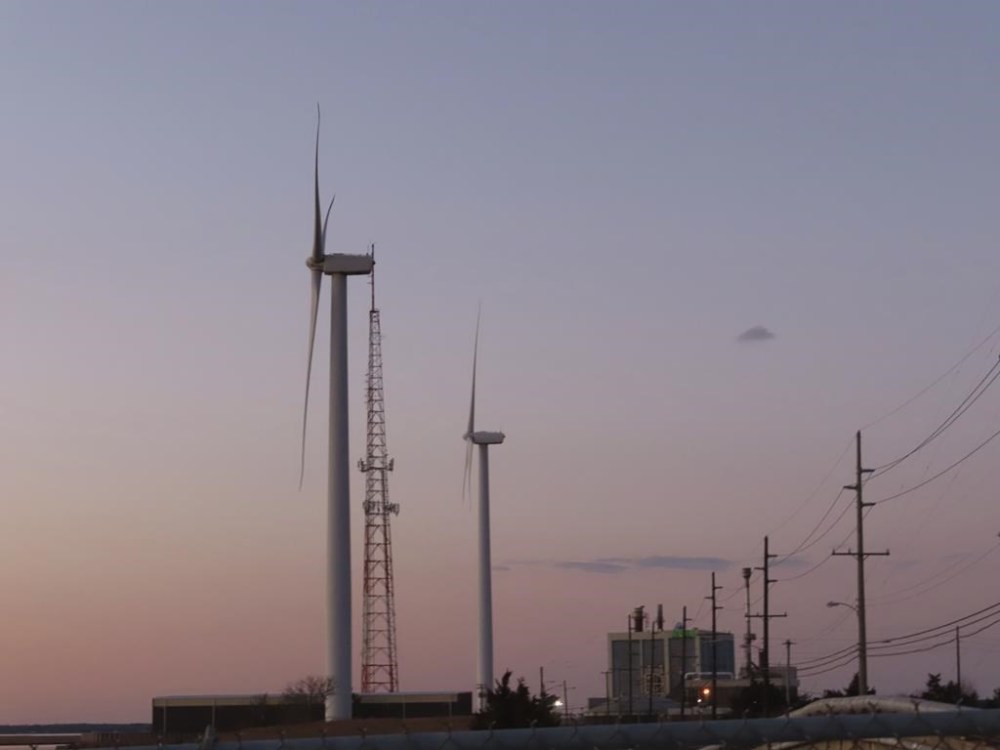
NOAA determined the project by Danish wind power company Orsted “is likely to adversely affect, but is not likely to jeopardize, the continued existence of any species” of endangered whales, sea turtles and other animals. Nor is it likely to “destroy or adversely modify any designated critical habitat.”
The report comes as opposition to offshore wind projects on the U.S. East Coast is growing, fueled by a thus-far unproven narrative that ocean floor preparation work for offshore wind farms is hurting or killing whales. Thirty-one have washed ashore on the East Coast since Dec. 1, according to NOAA.
NOAA and other agencies have said many of the dead whales appear to have been struck by ships or entangled in fishing gear, emphasizing there is no evidence linking offshore wind production and whale deaths.
Yet that has not convinced some people, including some federal and state officials who want a pause or permanent halt to offshore wind projects while the impact of wind farm site preparation can be more closely examined.
U.S. Reps. Jeff Van Drew and Christopher Smith, both New Jersey Republicans, have introduced legislation in Congress to mandate such a pause, and have promised additional investigatory hearings into the offshore wind industry.
Complicating matters is a joint study released last week by NOAA, BOEM and the commercial fishing industry that listed several known adverse impacts of wind farms on marine life, including noise, vibration, electromagnetic fields and heat transfer that could alter the marine environment.
Ocean Wind 1 is the first offshore wind project approved by New Jersey officials. It will consist of 98 turbines about 15 miles (25 kilometers) off the coast of Atlantic City and Ocean City.
The project will generate more than 1,100 megawatts of electricity, enough to power about a half million homes each year. Orsted hopes to have it up and running by the end of 2024.
NOAA noted that the project includes numerous measures to minimize and monitor adverse effects on whales, including the critically endangered North Atlantic right whale, of which there are less than 350 remaining.
“No serious injury or mortality of any (endangered) whale is anticipated as a result of the proposed project,” the report read. “We do not expect any right whales to be exposed to increased sound levels that would result in injury; all effects to right whales will be limited to temporary behavioral disturbance. Additionally, no effects to the features of right whale critical habitat are anticipated.”
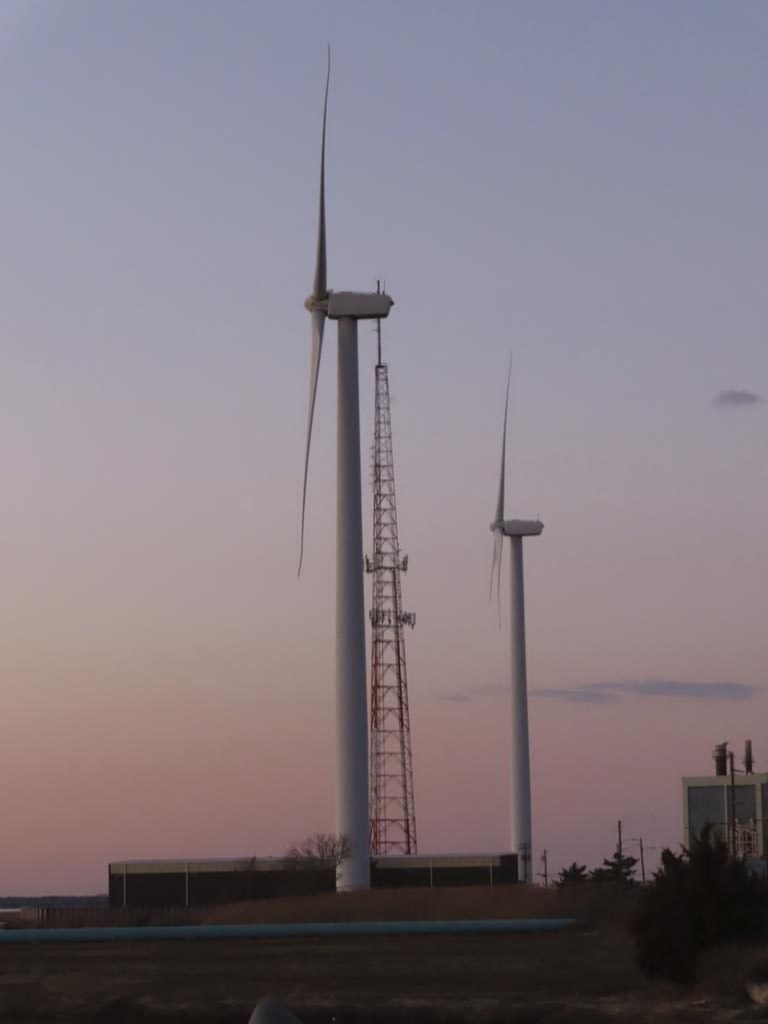
Two North Atlantic right whales were among the 30 East Coast fatalities since last December.

NOAA said its Office of Protected Resources plans to issue regulations and a letter of authorization for the project under the federal Marine Mammal Protection Act.
New Jersey has approved two other offshore wind projects: Orsted’s Ocean Wind II, which would power an additional 518,000 homes, and Atlantic Shores, a project by EDF and Shell that would power 637,000 homes.
The state last month authorized another round of wind farm project solicitations.
___
Follow Wayne Parry on Twitter at www.twitter.com/WayneParryAC