First Nations blast Alberta Energy Regulator at hearing; Guibeault promises reform
Advertisement
Read this article for free:
or
Already have an account? Log in here »
To continue reading, please subscribe:

Digital Subscription
One year of digital access for only $205*
- Enjoy unlimited reading on winnipegfreepress.com
- Read the E-Edition, our digital replica newspaper
- Access News Break, our award-winning app
- Play interactive puzzles
*First annual payment billed as $205.00 + GST for one year. This annual subscription will automatically renew at $233.00 + GST every 52 weeks (10% off the regular annual price of $259.35). Offer available to new and qualified returning subscribers only. Cancel any time.
To continue reading, please subscribe:
Add Free Press access to your Brandon Sun subscription for only an additional
$1 for the first 4 weeks*
- Enjoy unlimited reading on winnipegfreepress.com
- Read the E-Edition, our digital replica newspaper
- Access News Break, our award-winning app
- Play interactive puzzles
*Your next Brandon Sun subscription payment will increase by $1.00 and you will be charged $17.95 plus GST for four weeks. After four weeks, your payment will increase to $24.95 plus GST every four weeks.
Read unlimited articles for free today:
or
Already have an account? Log in here »
Hey there, time traveller!
This article was published 17/04/2023 (1250 days ago), so information in it may no longer be current.
OTTAWA – Chiefs of First Nations affected by releases of wastewater from an oilsands mine excoriated Alberta’s regulator at a House of Commons committee hearing, calling it a system that serves theindustry and not the public.
“The (Alberta Energy Regulator) has zero credibility outside Calgary’s echo chamber,” Daniel Stuckless of the Fort McKay Métis Nation said in Ottawa on Monday.
“They actively dismiss and downplay impacts of oilsands on communities and their aboriginal and treaty rights.”
Chief Allan Adam of the Athabasca Chipewyan First Nation went further outside the committee room.
“The Alberta system, when it comes to the Alberta regulator, is completely broken and should be dismantled,” he said.
Ottawa shares culpability by failing to enforce environmental laws, he added.
“While Alberta bears much of the blame, Canada must also shoulder responsibility for what has happened,” Adam said.
The comments came as the House of Commons environment and sustainability committee held hearings to examine why it took nine months for First Nations and governments to find out what was happening with both tailings pond seepage and overflow from a containment pond at Imperial Oil’s Kearl mine.
But the six First Nations leaders who addressed the committee quickly insisted their concerns go much deeper than a single case.
“Alberta’s reaction throughout is to simply say this is a communications issue,” said Adam, who broke down in tears describing what it was like telling his people their water may be contaminated.
“The Alberta Energy Regulator is a joke. A complete joke.”
The hearing was struck after two releases of toxic oilsands tailings water from the Kearl mine north of Fort McMurray.
The first release was spotted and reported in May as discoloured water near a tailings pond. It was found to be tailings seepage, but no further updates were provided to area First Nations until February. That’s when it was disclosed to the public and federal and provincial environment ministers, along with news of a second release of 5.3 million litres of tailings-contaminated water.
On Monday, leader after leader said the problem is much deeper than a single delayed notification.
“There’s a question around the neutrality of the regulator in Alberta,” said Russell Noseworthy of the Fort McMurray Métis.
Timothy Clark, who is also working with the Fort McMurray Métis, said the regulator “is more concerned about protecting the image of the industry and the investment than it is about protecting the health and rights of the people who live in this area.”
Melody Lepine of the Mikisew Cree First Nation said both Alberta and Ottawa have long ignored community requests for a comprehensive health assessment of people in Fort Chipewyan. Nor have governments acted on calls for an assessment of the cumulative impacts of all oilsands development or for a risk assessment posed by the tailings ponds, Lepine said.
The Alberta Energy Regulator did not immediately respond to a request for comment.
Laurie Pushor, head of the regulator, is scheduled to testify Thursday. Imperial Oil officials are expected next Monday.
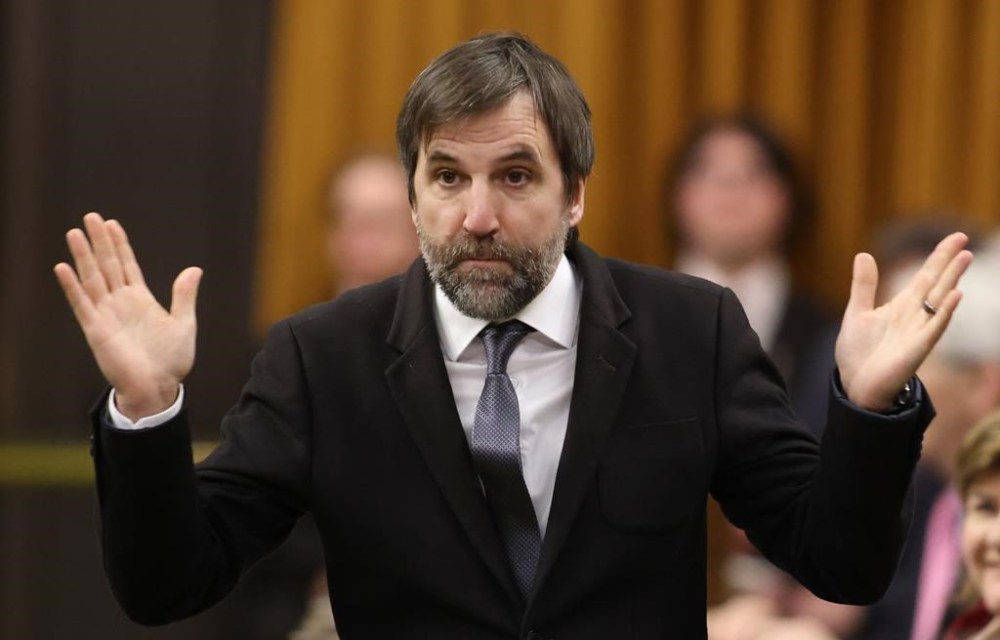
Just before the hearings began, Environment Minister Steven Guilbeault, announced the first step towards an improved reporting process for environmental emergencies.
Guilbeault said the committee testimony should help inform efforts of the new “notification and monitoring working group” to help design a better reporting system for the future.
The group is to be made up of representatives from federal and provincial governments, the Northwest Territories and Indigenous communities affected by the releases.
Jennifer Lash, a senior adviser to Guilbeault, said the goal of the working group is to develop a way to fix the notification process when something goes wrong, as well as to address ongoing concerns about the possibility of seepage from all oilsands tailings ponds, not just from Kearl.
Lash said a letter was sent Monday to invite any Indigenous Nations in the affected areas to participate. She said the government is not being prescriptive about what the new policy would look like. The hope is that the working group will be running within two months.
She said the N.W. T. government has agreed to join and the government of Alberta has responded positively but not fully confirmed participation.
Meanwhile, the Alberta government defended its communication with First Nations after the Kearl releases.
It says it began sharing information about the issue both internally and publicly by the week of Feb. 27, about three weeks after the regulator revealed the problem. Extra monitoring has begun and will be increased as the spring runoff begins.
An information-sharing group with federal, provincial, municipal and First Nations governments has been formed.
“Our current lab results from ongoing independent water sampling of Lake Athabasca show drinking water is safe,” department spokesman Miguel Racin said in an email.
This report by The Canadian Press was first published April 17, 2023.
— With files from Bob Weber in Edmonton
Note to readers: This is a corrected story; An earlier version had the incorrect spelling for Chief Allan Adam.