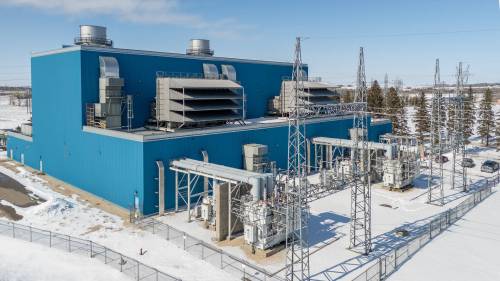
Energy storage farm could replace Hawaii coal-fired power plant
Advertisement
Read this article for free:
or
Already have an account? Log in here »
To continue reading, please subscribe:

Digital Subscription
One year of digital access for only $205*
- Enjoy unlimited reading on winnipegfreepress.com
- Read the E-Edition, our digital replica newspaper
- Access News Break, our award-winning app
- Play interactive puzzles
*First annual payment billed as $205.00 + GST for one year. This annual subscription will automatically renew at $233.00 + GST every 52 weeks (10% off the regular annual price of $259.35). Offer available to new and qualified returning subscribers only. Cancel any time.
To continue reading, please subscribe:
Add Free Press access to your Brandon Sun subscription for only an additional
$1 for the first 4 weeks*
- Enjoy unlimited reading on winnipegfreepress.com
- Read the E-Edition, our digital replica newspaper
- Access News Break, our award-winning app
- Play interactive puzzles
*Your next Brandon Sun subscription payment will increase by $1.00 and you will be charged $17.95 plus GST for four weeks. After four weeks, your payment will increase to $24.95 plus GST every four weeks.
Read unlimited articles for free today:
or
Already have an account? Log in here »
Hey there, time traveller!
This article was published 17/05/2023 (1203 days ago), so information in it may no longer be current.
HONOLULU (AP) — An energy storage farm could replace Hawaii’s last coal-fired power plant that closed in 2022 after 30 years.
The AES Corporation coal plant produced up to one-fifth of the electricity on Oahu — the most populous island in the state. Taking it offline meant an end to the 1.5 million metric tons of greenhouse gases that were emitted annually, then-Gov. David Ige said as it was about to shutdown in September.
The company said potential new uses for the 8.5-acre property in Kapolei include battery storage, solar and even wind power, the Honolulu Star-Advertiser reported Wednesday.
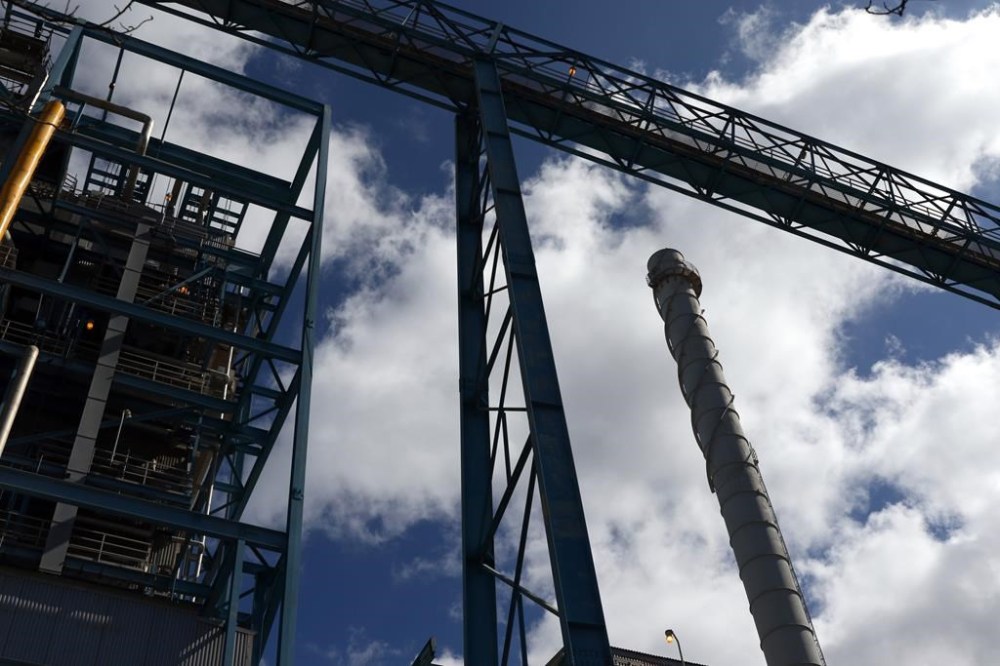
Energy storage farms are increasingly taking the place of old coal plants.
Nearby, the largest stand-alone energy system in the state has been under construction since last year. The project has an energy storage capacity of 565 megawatt-hours and is being developed by San Francisco-based Plus Power.
Storage projects allow utility operator Hawaiian Electric to accept and use more intermittent power from renewable sources, including rooftop solar.
Electricity generated by burning oil remains the largest source of power for Hawaiian Electric, which serves Oahu, Hawaii Island, Maui, Molokai and Lanai. The utility company reported that 32% of power generation in 2022 was from renewable sources.

Like other Pacific islands, Hawaii has suffered the cascading impacts of climate change. The state is experiencing the destruction of coral reefs from bleaching associated with increased ocean temperatures, rapid sea level rise, more intense storms and drought that is increasing the state’s wildfire risk.
In 2020, Hawaii’s Legislature passed a law banning the use of coal for energy production by the start of 2023. Hawaii has mandated a transition to 100% renewable energy by 2045 and was the first state to set such a goal.