Oregon appeals court finds the rules for the state’s climate program are invalid
Advertisement
Read this article for free:
or
Already have an account? Log in here »
To continue reading, please subscribe:

Digital Subscription
One year of digital access for only $205*
- Enjoy unlimited reading on winnipegfreepress.com
- Read the E-Edition, our digital replica newspaper
- Access News Break, our award-winning app
- Play interactive puzzles
*First annual payment billed as $205.00 + GST for one year. This annual subscription will automatically renew at $233.00 + GST every 52 weeks (10% off the regular annual price of $259.35). Offer available to new and qualified returning subscribers only. Cancel any time.
To continue reading, please subscribe:
Add Free Press access to your Brandon Sun subscription for only an additional
$1 for the first 4 weeks*
- Enjoy unlimited reading on winnipegfreepress.com
- Read the E-Edition, our digital replica newspaper
- Access News Break, our award-winning app
- Play interactive puzzles
*Your next Brandon Sun subscription payment will increase by $1.00 and you will be charged $17.95 plus GST for four weeks. After four weeks, your payment will increase to $24.95 plus GST every four weeks.
Read unlimited articles for free today:
or
Already have an account? Log in here »
Hey there, time traveller!
This article was published 20/12/2023 (1018 days ago), so information in it may no longer be current.
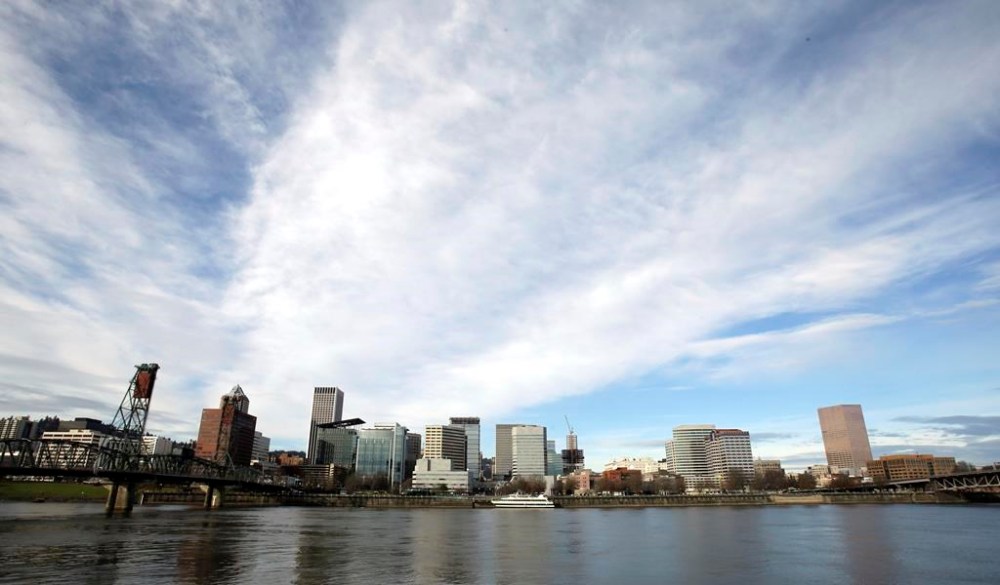
PORTLAND, Ore. (AP) — A state appeals court in Oregon decided late Wednesday that the rules for a program designed to limit and drastically reduce greenhouse gas emissions from fossil fuel companies are invalid. The program, started in 2022, is one of the strongest climate programs in the nation.
State environmental officials said the court’s decision hinges on an administrative error and doesn’t touch on whether the state Department of Environmental Quality has the authority to implement the program. The Climate Protection Program targets a 90% reduction in greenhouse gas emissions from transportation fuels and natural gas by 2050.
Wednesday’s decision by the Oregon Court of Appeals comes in a case brought by fossil fuel companies that alleged the state Environmental Quality Commission erred in its rulemaking for the program. The commission acts as the Department of Environmental Quality’s policy and rulemaking board.
The court in its decision said it concluded the rules for the program were invalid.
The department said the decision was limited to an administrative error and not effective immediately, Oregon Public Broadcasting reported.
“The court did not make a decision about whether the Environmental Quality Commission has authority to adopt the Climate Protection Program,” Lauren Wirtis, a department spokesperson, said in a statement.
The department is confident it has the authority to adopt and enforce the program and is evaluating next steps with the state Department of Justice, Wirtis said.

NW Natural, one of the litigants, said it was pleased with the court’s decision and that it is committed to moving toward a low-carbon energy future.
A group of environmental, climate and social justice groups agreed with the state position that the decision focused on a procedural technicality and did not undermine the Department of Environmental Quality’s authority to set greenhouse gas emissions limits on the oil and gas industry.