

South Sudan shutters all schools as it prepares for an extreme heat wave
Advertisement
Read this article for free:
or
Already have an account? Log in here »
To continue reading, please subscribe:
Monthly Digital Subscription
$0 for the first 4 weeks*
- Enjoy unlimited reading on winnipegfreepress.com
- Read the E-Edition, our digital replica newspaper
- Access News Break, our award-winning app
- Play interactive puzzles
*No charge for 4 weeks then price increases to the regular rate of $19.95 plus GST every four weeks. Offer available to new and qualified returning subscribers only. Cancel any time.
Monthly Digital Subscription
$4.99/week*
- Enjoy unlimited reading on winnipegfreepress.com
- Read the E-Edition, our digital replica newspaper
- Access News Break, our award-winning app
- Play interactive puzzles
*Billed as $19.95 plus GST every four weeks. Cancel any time.
To continue reading, please subscribe:
Add Free Press access to your Brandon Sun subscription for only an additional
$1 for the first 4 weeks*
*Your next subscription payment will increase by $1.00 and you will be charged $16.99 plus GST for four weeks. After four weeks, your payment will increase to $23.99 plus GST every four weeks.
Read unlimited articles for free today:
or
Already have an account? Log in here »
Hey there, time traveller!
This article was published 17/03/2024 (664 days ago), so information in it may no longer be current.
JUBA, South Sudan (AP) — South Sudan is closing all schools starting Monday in preparation for an extreme heat wave expected to last two weeks.
The health and education ministries advised parents to keep all children indoors as temperatures are expected to soar to 45 degrees Celsius (113 Fahrenheit).
They warned that any school found open during the warning period would have its registration withdrawn, but the statement issued late Saturday didn’t specify how long schools would remain shuttered.
The ministries said they “will continue to monitor the situation and inform the public accordingly.”
Resident Peter Garang, who lives in the capital, Juba, welcomed the decision. He said “schools should be connected to the electricity grid” to enable the installation of air conditioners.
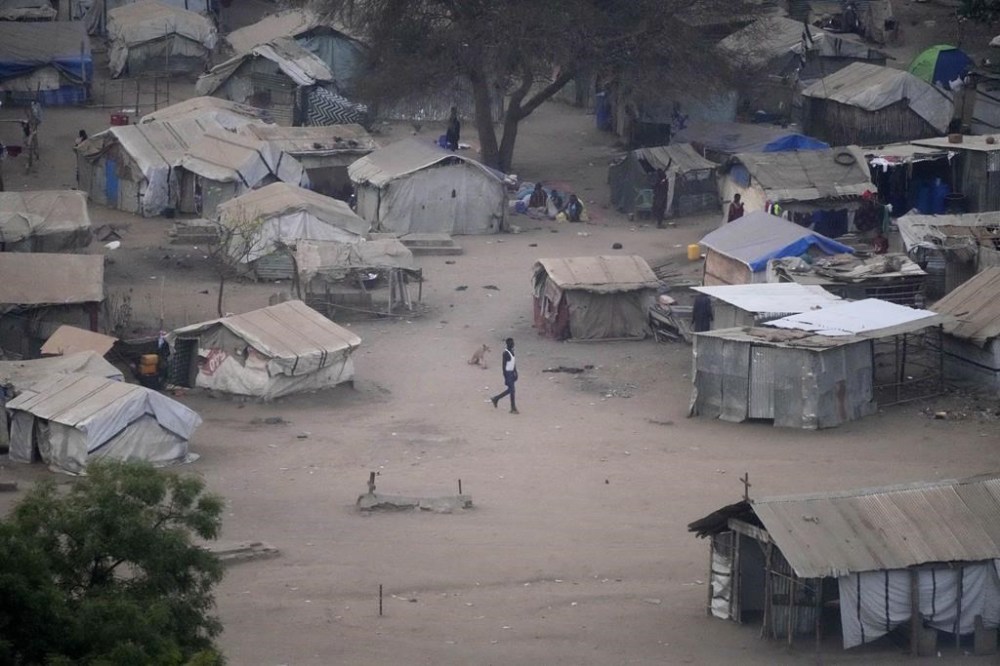
South Sudan, one of the world’s youngest nations, is particularly vulnerable to climate change with heat waves common but rarely exceeding 40 C (104 F). Civil conflict has plagued the east African country which also suffered from drought and flooding, making living conditions difficult for residents.
The World Food Program in its latest country brief said South Sudan “continues to face a dire humanitarian crisis” due to violence, economic instability, climate change and an influx of people fleeing the conflict in neighboring Sudan. It also stated that 818,000 vulnerable people were given food and cash-based transfers in January.