B.C. funds studies aimed at net-zero airports, sustainable fuel options
Advertisement
Read this article for free:
or
Already have an account? Log in here »
To continue reading, please subscribe:

Digital Subscription
One year of digital access for only $205*
- Enjoy unlimited reading on winnipegfreepress.com
- Read the E-Edition, our digital replica newspaper
- Access News Break, our award-winning app
- Play interactive puzzles
*First annual payment billed as $205.00 + GST for one year. This annual subscription will automatically renew at $233.00 + GST every 52 weeks (10% off the regular annual price of $259.35). Offer available to new and qualified returning subscribers only. Cancel any time.
To continue reading, please subscribe:
Add Free Press access to your Brandon Sun subscription for only an additional
$1 for the first 4 weeks*
- Enjoy unlimited reading on winnipegfreepress.com
- Read the E-Edition, our digital replica newspaper
- Access News Break, our award-winning app
- Play interactive puzzles
*Your next Brandon Sun subscription payment will increase by $1.00 and you will be charged $17.95 plus GST for four weeks. After four weeks, your payment will increase to $24.95 plus GST every four weeks.
Read unlimited articles for free today:
or
Already have an account? Log in here »
Hey there, time traveller!
This article was published 21/03/2024 (918 days ago), so information in it may no longer be current.
RICHMOND, B.C. – A new study will collect carbon emissions data from British Columbia’s regional airports with the goal of getting all airports in the province to net-zero by 2030.
The study is part of the $875,000 announced by the government for research aimed at making the airline industry more environmentally sustainable after the province signed a memorandum of understanding with Vancouver’s airport.
A second study will look at accelerating the development of sustainable low-carbon aviation fuels, something Premier David Eby says is necessary for the future of air travel.
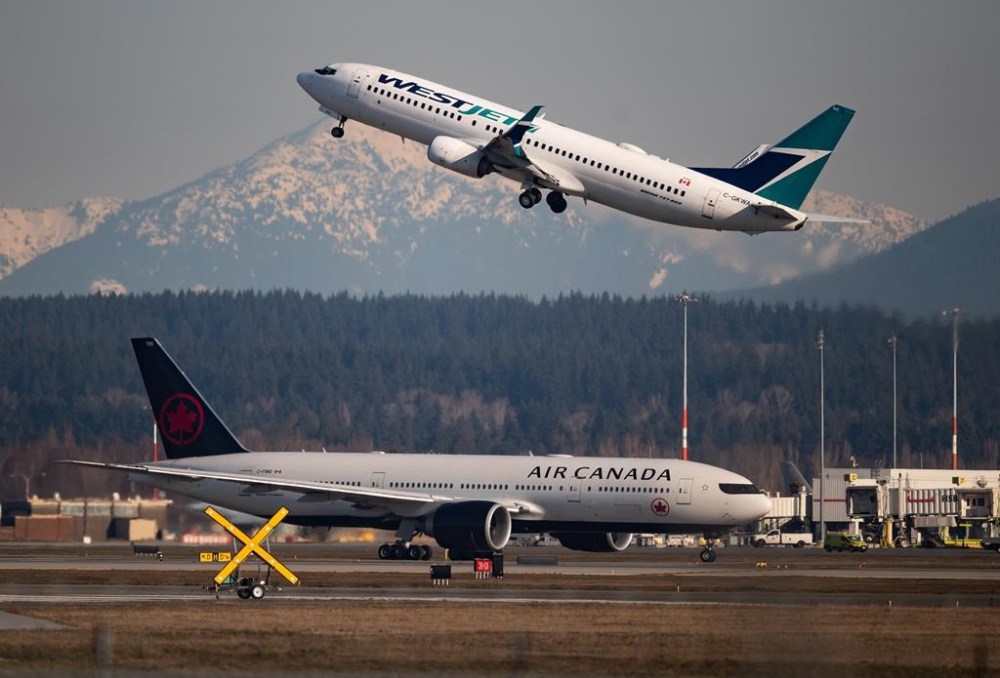
Tamara Vrooman, president of Vancouver International Airport, says one option uses tallow byproduct from meat processing, and the potential for using wood waste is also something they’ll be looking into.
Vrooman says the airport is “well on its way” to becoming net-zero by 2030, which would make it the first Canadian airport to do so.
A third study plans to explore opportunities to enhance the movement of people and goods between the airport, Vancouver Island and beyond without increasing traffic congestion on the roads.
“We know that we already have significant issues with congestion in the Lower Mainland and (the airport) is next to communities, schools, shopping districts, where it wouldn’t be appropriate to put that volume of trucks,” Vrooman said.
“So, we’re starting some early thinking about could we have one of the first air-to-marine terminals where we could take cargo and move it directly to (a) marine environment, either ocean or river.”
This report by The Canadian Press was first published March 21, 2024.