B.C. seeks to regulate electricity for cryptocurrency miners, citing huge demands

Advertisement

Advertise with us

VICTORIA - British Columbia is proposing legal changes that would allow the government to regulate the supply of electricity to cryptocurrency miners.

Read this article for free:


or

Already have an account? Log in here »

To continue reading, please subscribe:

Subscribe and receive a limited-edition Free Press branded hat or tote.

Digital Subscription

One year of digital access for only $205*

  • Enjoy unlimited reading on winnipegfreepress.com
  • Read the E-Edition, our digital replica newspaper
  • Access News Break, our award-winning app
  • Play interactive puzzles

*First annual payment billed as $205.00 + GST for one year. This annual subscription will automatically renew at $233.00 + GST every 52 weeks (10% off the regular annual price of $259.35). Offer available to new and qualified returning subscribers only. Cancel any time.

To continue reading, please subscribe:

Add Free Press access to your Brandon Sun subscription for only an additional

$1 for the first 4 weeks*

  • Enjoy unlimited reading on winnipegfreepress.com
  • Read the E-Edition, our digital replica newspaper
  • Access News Break, our award-winning app
  • Play interactive puzzles
Start now

*Your next Brandon Sun subscription payment will increase by $1.00 and you will be charged $17.95 plus GST for four weeks. After four weeks, your payment will increase to $24.95 plus GST every four weeks.

Hey there, time traveller!
This article was published 11/04/2024 (889 days ago), so information in it may no longer be current.

VICTORIA – British Columbia is proposing legal changes that would allow the government to regulate the supply of electricity to cryptocurrency miners.

A statement from the Ministry of Energy says cryptocurrency miners consume large amounts of electricity to constantly run high-powered computers, while creating very few jobs or economic opportunities.

It says the legislative amendments would allow the government to prohibit or restrict provision of electricity to cryptocurrency miners because “unchecked growth” of the sector could make it challenging and more costly to provide electricity to homes and other businesses.

An advertisement for bitcoin cryptocurrency is displayed on a street in Hong Kong on Feb. 17, 2022. British Columbia is proposing legal changes that would allow the government to make permanent regulations related to the electricity used by cryptocurrency miners. THE CANADIAN PRESS/AP-Kin Cheung

The province directed the BC Utilities Commission in December 2022 to suspend new electricity connections for cryptocurrency mining for 18 months.

The statement says 21 projects, requesting a total of 11,700 gigawatt hours of power per year, were temporarily suspended from receiving power.

It says that amount of electricity is more than double what the new Site C dam will be able to generate.

Proposed changes also include amendments to repeal sections of the Clean Energy Act used to create the former government’s Standing Offer Program to buy electricity.

The statement says purchases under the program, which was suspended in 2019, were made at well above market rates.

This report by The Canadian Press was first published April 11, 2024.
Report Error Submit a Tip

More Stories

MMF walks away from bid to buy Fort Garry Hotel

Carol Sanders 3 minute read Preview

MMF walks away from bid to buy Fort Garry Hotel

Carol Sanders 3 minute read Monday, Sep. 14, 2026

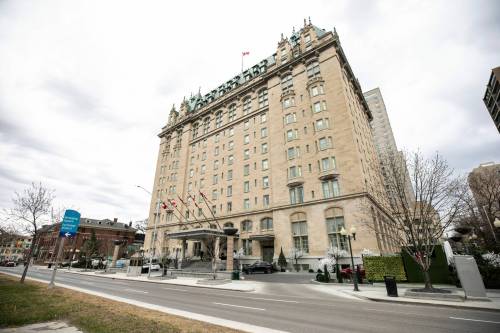
The Manitoba Métis Federation won’t buy the historic Fort Garry Hotel, President David Chartrand said Monday.

Read
Monday, Sep. 14, 2026

Federal Court awards OCN $27M, 62 years after construction of hydro dam

Nicole Buffie 5 minute read Preview

Federal Court awards OCN $27M, 62 years after construction of hydro dam

Nicole Buffie 5 minute read Updated: 12:02 PM CDT

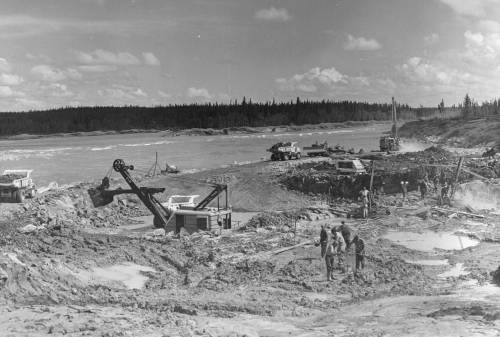
The Federal Court has ordered Ottawa pay Opaskwayak Cree Nation $27 million over damages suffered due to the construction of the Grand Rapids hydro dam in the 1960s.

In a decision dated Sept. 3, Federal Court Justice Sébastien Grammond says the federal government had a fiduciary duty to protect the community from the impacts of the dam.

“When the Crown exercises a discretionary power over an Indigenous interest, it has a fiduciary duty and it must exercise the discretion in the best interests of the Indigenous group,” the ruling said. “Canada breached its fiduciary duty to OCN because it approved the (project) without ensuring that the impacts of the Grand Rapids dam on OCN’s traditional way of life were mitigated or compensated.”

The First Nation took the federal government to court in February over impacts on the community after the dam, located about 145 kilometres southeast of Opaskwayak Cree Nation, was installed on the Saskatchewan River in 1964. The case was heard over 14 days in a judge-alone trial in Winnipeg.

Read
Updated: 12:02 PM CDT

Puzzles Palace

1 minute read Monday, Jul. 27, 2026

To solve our puzzles, please subscribe with this special offer: |

Suspension on the horizon for Hellebuyck as pre-season set to start

Ken Wiebe 7 minute read Preview

Suspension on the horizon for Hellebuyck as pre-season set to start

Ken Wiebe 7 minute read Yesterday at 6:21 PM CDT

In this high stakes game of chicken, Kevin Cheveldayoff, Connor Hellebuyck or any of the potential suitors for the Winnipeg Jets franchise netminder appear ready to blink.

Read
Yesterday at 6:21 PM CDT

Teenage e-scooter driver in critical condition after crash

Chris Kitching 6 minute read Preview

Teenage e-scooter driver in critical condition after crash

Chris Kitching 6 minute read Updated: 5:50 PM CDT

A teenager riding an e-scooter suffered life-threatening injuries when he was struck by an SUV in southwest Winnipeg on Monday night.

Witnesses provided first aid to the injured rider, who police said is under 18, after the collision happened at Waverley Street and Arbour Meadow Gate/Lake Crest Road at about 9:30 p.m.

“It feels like it happened in slow motion,” said driver Audrey Vanderspek, who was waiting at a red light when she witnessed the incident. “Maybe it’s because you’re helpless, that it just feels like everything slows down in the moment.”

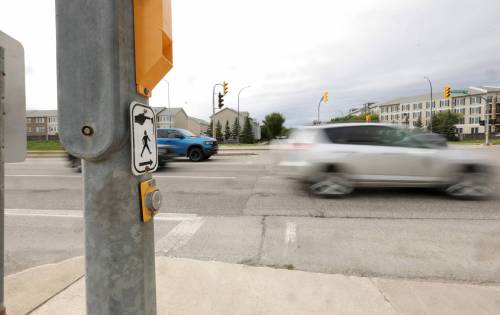
Police said the electric scooter rider was crossing Waverley and was hit by a southbound 2010 Honda CR-V. The posted speed limit on that stretch of Waverley is 70 kilometres per hour.

Read
Updated: 5:50 PM CDT

U of M adds capacity to emergency medicine program for family doctors

Carol Sanders 5 minute read Preview

U of M adds capacity to emergency medicine program for family doctors

Carol Sanders 5 minute read 5:14 PM CDT

Manitoba is training more family doctors in emergency medicine to help strengthen the pipeline of emergency physicians for communities across the province.

Health Minister Uzoma Asagwara announced Wednesday that the University of Manitoba is increasing the number of annual training seats to 17 from 11. The family medicine enhanced skills program provides physicians with an additional year of specialized emergency medicine training after completing a family medicine residency.

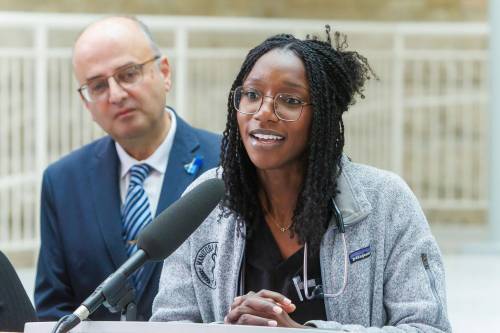
“Emergency physicians do incredibly important work for Manitobans and we need more of them,” Asagwara said at a news conference at University of Manitoba’s Health Sciences Centre campus.

The province is investing in training more doctors, providing more physicians with the opportunity to build their careers in Manitoba and strengthening the workforce that emergency departments rely on, the minister said. The 17 residents began their training on July 1.

Read
5:14 PM CDT